Gill Net
DescriptionGill nets are made of monofilament or multifilament mesh, optimally hung on framing lines, and held in sampling position by a float line and a lead line. Fishes are captured by entanglement, that is, fish become wedged, “gilled”, or tangled in the mesh. | ||||||||
| ||||||||
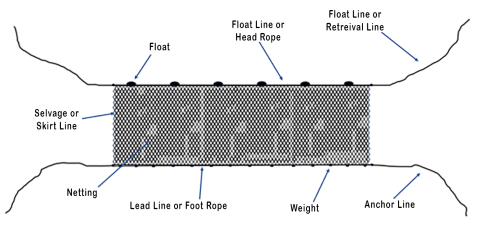
Example Gill Net Anatomy | ||||||||
Gill Net Top | ||||||||
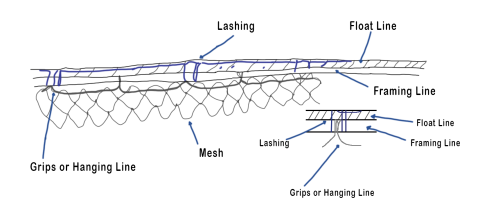
Note: Incorporating gillnet framing lines is the optimal design. This design is not common, however. Typically, the netting is attached directly to the float line and lead line. This lack of a framing line is the default design when ordering from a fisheries gear catalog. | ||||||||
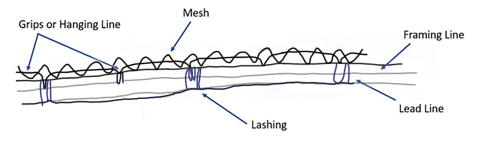
Illustration of gill net construction where the grips (or hanging lines) to affix the netting are attached directly to the float line. | ||||||||
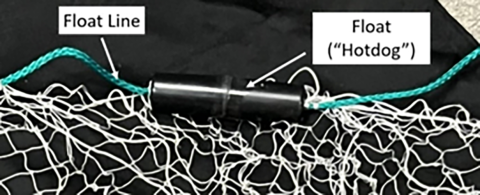
Floats can be added to float line to help increase net efficiency by resisting sinkage due to captured fish weight. | ||||||||
Gill Net Bottom | ||||||||
Selvage | ||||||||
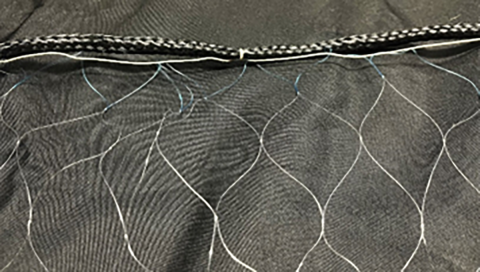
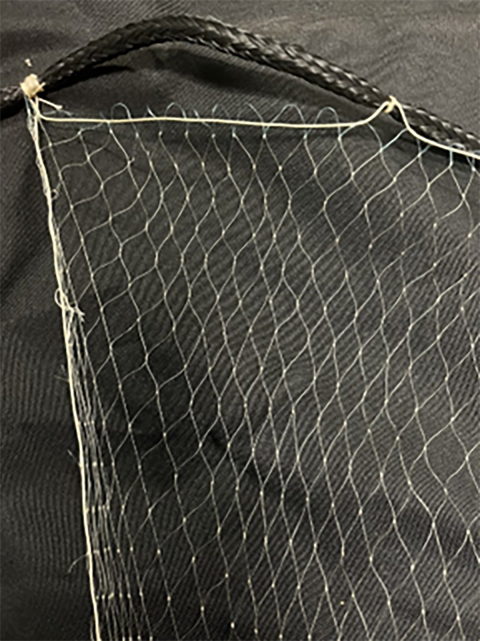
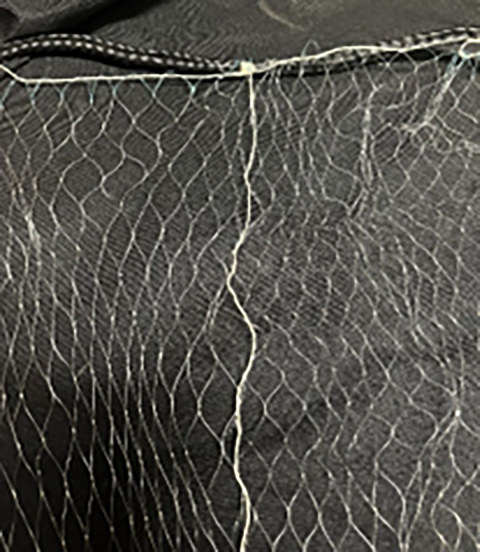
| “Finished” edges by weaving twine along the mesh. Selvage can be single (one piece of twine) or double (two pieces). | ||||||||
Double Selvage at top of gill net. | ||||||||
Single Selvage at side of gill net. | ||||||||
Anatomy, materials, proper gillnet design, how gill nets catch fish | ||||||||
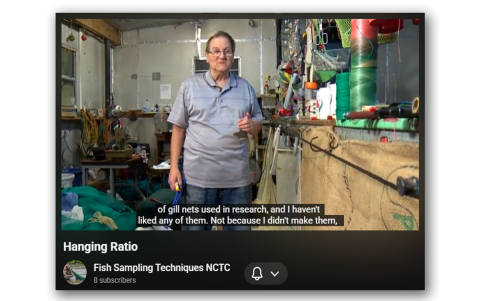
Hanging Ratio(Part 1) Hanging Ratio, Stretched Mesh, Framing Line VIDEO LINK:https://youtu.be/dagjqp5VnSg /a> | ||||||||
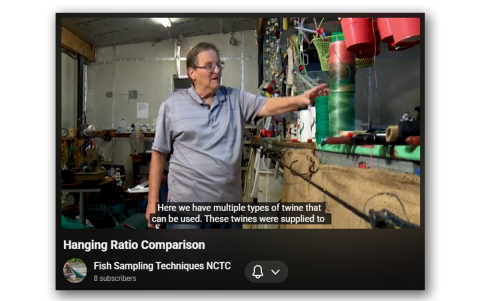
Hanging Ratio Comparison(Part 2) Twines, H-needles, netting materials, better net design, 2:1 vs. 3:1 hanging ratios.
VIDEO LINK:https://youtu.be/K4rhJpRlNI0 | ||||||||
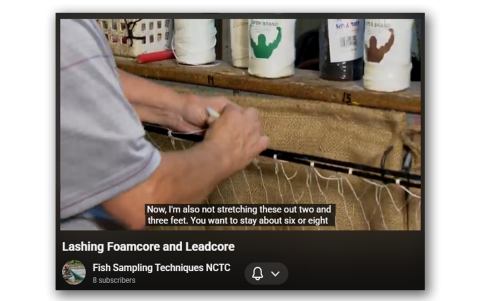
Lashing Foamcore and Leadcore(Part 3) Adding Foamcore, leadcore, and grips, better net design. VIDEO LINK:https://youtu.be/PPIlkEELMUY | ||||||||
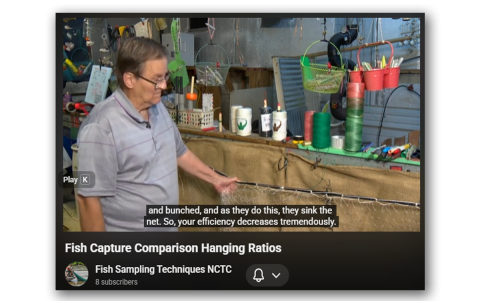
Fish Capture Comparison Hanging Ratios(Part 4) Fish capture by 2:1 vs. 3:1 hanging ratios, gear saturation, hanging ratio efficiency, better net design. https://youtu.be/lWGfBM-ksvw | ||||||||
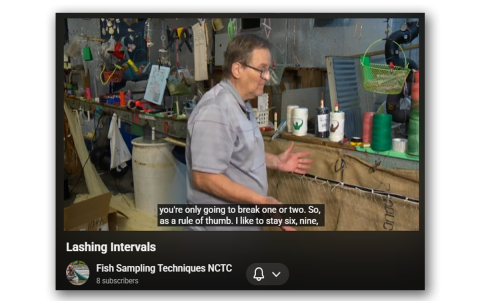
Lashing Intervals(Part 5) Better net design- Preferred distances between lashing. VIDEO LINK: https://youtu.be/d7UXTswzo3I | ||||||||
Trammel vs. Gill Net FunctionalityRelationship to another entanglement gear, the Trammel Net. VIDEO LINK: https://youtu.be/OJnXUgg-NEM | ||||||||
Major categoriesStandard - Contains only one panel of a constant single mesh size. Used to capture fishes within a restricted size range or target species.Because standard gill nets are constructed of one mesh size only, they tend to be selective for individuals of the same size or in some cases a single species. Experimental or multipanel - Used to capture fish of different sizes and species. Composed of multiple panels of differing mesh sizes in a specified order. Mesh netting may be monofilament or multifilament. Sampling protocols differ in experimental panel mesh sizes and order of mesh sizes, often depending on water body type. The American Fisheries Society benthic standard experimental gill net is 24.4 m (80’) long x 1.8 m (6’) deep. These nets contain eight 3.1 m (10’) long mesh sizes in this order; 38 mm (1.5”), 57 mm (2.25”), 25 mm (1.0”), 44 mm (1.75”), 19 mm (0.75”), 64 mm (2.5”), 32 mm (1.25”), and 51 mm (2.0”). | ||||||||
Two panels of an experimental gill net, ¾” bar (right) and 1” bar (left) Horizontal - Set horizontally (longest dimension is horizontal) Benthic - Deployed on the bottom. Pelagic or Surface-Deployed near or at water surface. Vertical -Set vertically from the water surface downwards. Longest dimension is vertical. Fixed (or Stationary or Dead Set)- The gill net set is stationary. Drifting (or Active) - The gill net moves with the current or is towed by a boat. | ||||||||
Gill Net Construction | ||||||||
Description | ||||||||
This module has instructional videos for building a gill net. Even if you are not planning to build your own gill nets, this module can help you make informed gear purchases. By learning about proper construction, you better will be able to identify the designs that result in a higher quality net. Important concepts covered include the importance of a framing line, hanging ratios, and how catch efficiency is affected by different hanging ratios (especially 2:1 vs. 3:1). | ||||||||
Proper Gill Net Construction | ||||||||
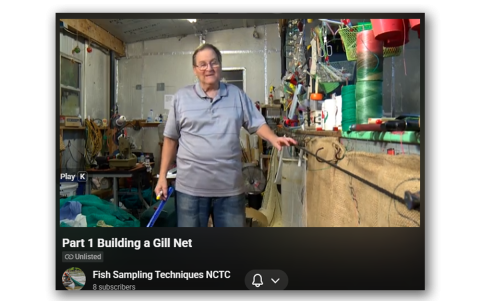
Part 1 Building a Gill NetVIDEO LINK: https://youtu.be/IJ9BetR938k | ||||||||
Part 2 Building a Gill NetVIDEO LINK: https://youtu.be/NzDp_ZL9ack | ||||||||
Part 3 Building a Gill NetVIDEO LINK: https://youtu.be/qGtIoD_Dmfo | ||||||||
Part 4 Building a Gill NetVIDEO LINK: https://youtu.be/asDSbvgOfdk | ||||||||
Part 5 Building a Gill NetVIDEO LINK: https://youtu.be/CARDN5shrSY | ||||||||
Sewing Rolling HitchIn-depth View of Sewing a Rolling Hitch. VIDEO LINK: https://youtu.be/BwQrvEbrotQ | ||||||||
Adding lead weightsAdding lead weights to a leadline. VIDEO LINK: https://youtu.be/z-sQc8HuBWM | ||||||||
Design ConsiderationsHow to determine the appropriate mesh size: This can be a rather quick or an involved process.
| ||||||||
Silver Carp Gillnet DesignDesigning for a target species. VIDEO LINK: https://youtu.be/zb4xMqI6nxs | ||||||||
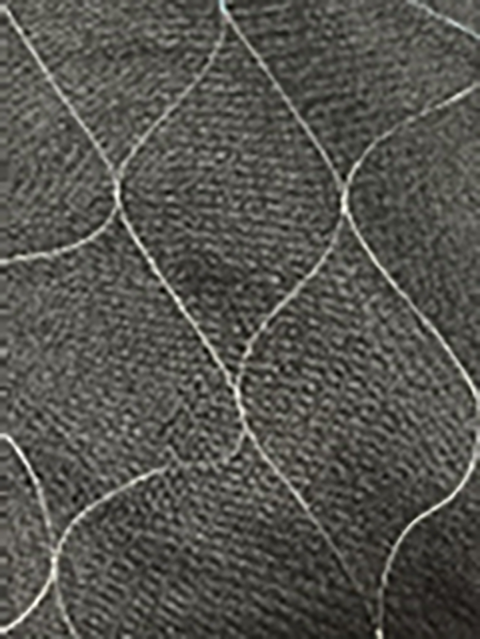
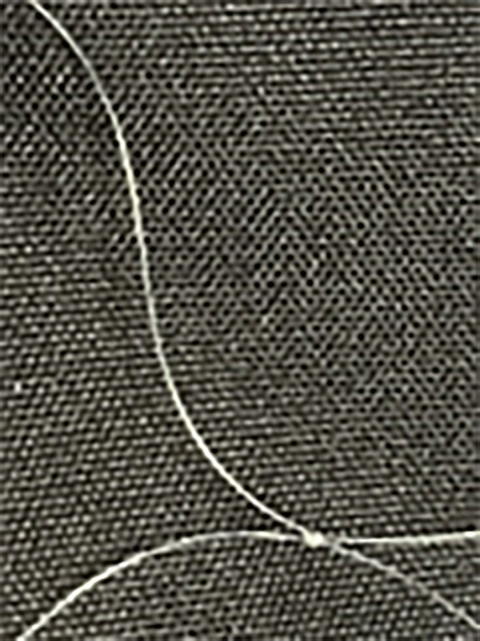
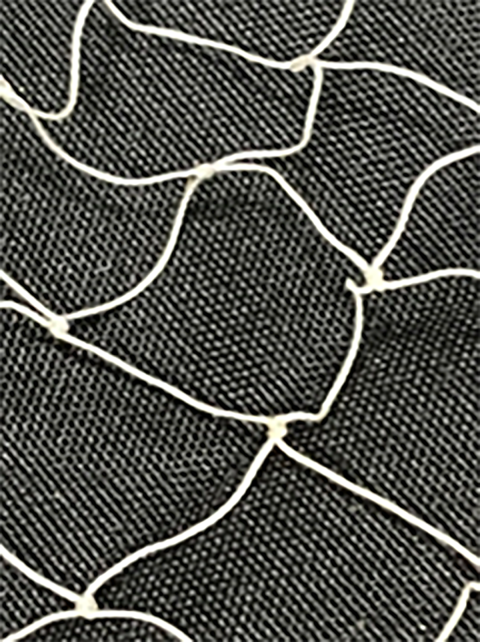
Gill Net Mono vs MultifilamentNet comparisons and factors to consider for purchasing, monofilament vs. multifilament, dyeing. VIDEO LINK: https://youtu.be/B-fG02xqMc4*Note there is a section imbedded on trammel nets but the information largely applies to gill nets as well | ||||||||
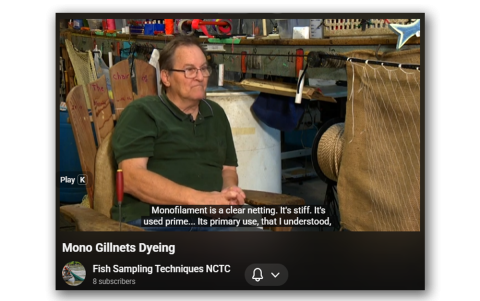
Monofilament Multifilament DyeingVIDEO LINK: https://youtu.be/Y1CSdoXbeQM | ||||||||
| ||||||||
Maintenance and Storage | ||||||||
Gill Net and Trammel Net Storage TipsVIDEO LINK: https://youtu.be/npbLN47XMb0 | ||||||||
Quick RepairsTools, Twines, and Repair Methods: See Repairing Nets Modules | ||||||||
The referenced media source is missing and needs to be re-embedded. Replacement rules Fisheries offices may have guidelines on when to replace a gill net. One example specifies that if a gill net has a minimum of 40% of the netting area repaired, then replace the net. This is because the repairs cause adjacent issues as distorted mesh; also nets with this much repair probably have slipped grips, segments of compromised float lines, etc. | ||||||||
Field Methods | ||||||||
DeploymentPrimarily sets are horizontal. Vertical sets are much less common. Horizontal sets may be stationary or drifting, on the bottom (benthic gill netting) or suspended near the surface (pelagic gill netting). Deployed in flowing rivers and streams as well as still waters of lakes and reservoirs. Eddy habitats can be problematic. | ||||||||
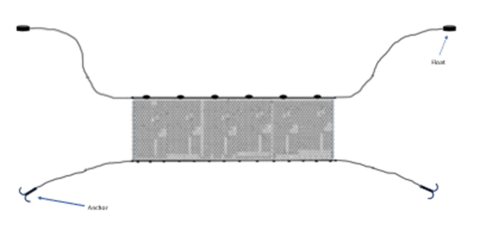
Standard Gill Net Benthic Set | ||||||||
Benthic or bottom set in a lake or river with little current. | ||||||||
Standard Gill Net Benthic Set in River Current | ||||||||
Water is moving from left to right. Additional concrete weights can be added on the leadline to improve bottom contact if necessary. | ||||||||
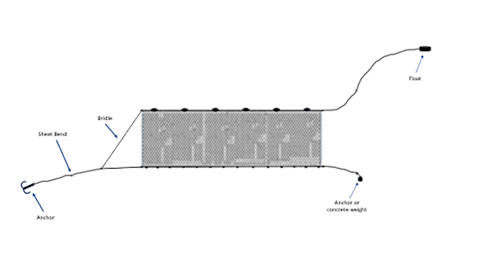
Standard Gill Net Benthic Set from Near Shore | ||||||||
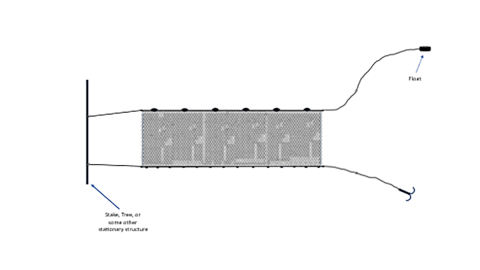
Benthic set where one end is secured to a stake, tree, tree root, or some other stationary object. | ||||||||
Deployment and Retrieval | ||||||||
Scoping Gill Net Sampling LocationScoping areas to deploy a gillnet. VIDEO: https://youtu.be/U5ck0sJpGOM | ||||||||
Benthic Gill Net Set Double NetBenthic gill net set with 2 gill nets tied together. VIDEO: https://youtu.be/Mp5PHt6tkmA | ||||||||
Benthic Gill Net Set Double Net Lost BuoyBenthic gill net set with 2 gill nets tied together and float disappears. VIDEO: https://youtu.be/zPSIVMWwNZg | ||||||||
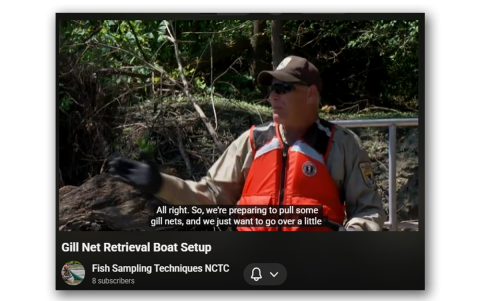
Gill Net Retrieval Boat SetupPreparation for retrieval. VIDEO: https://youtu.be/JrAuaOfmNXc | ||||||||
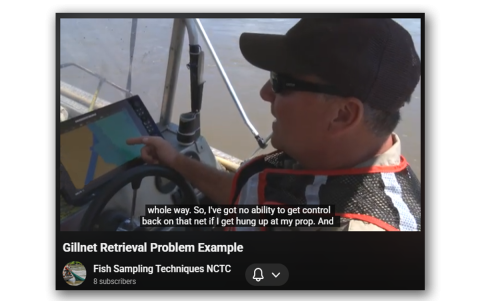
Gill Net Retrieval Problem ExampleRisk assessment for a retrieval. VIDEO: https://youtu.be/N7FAk-MxDoY | ||||||||
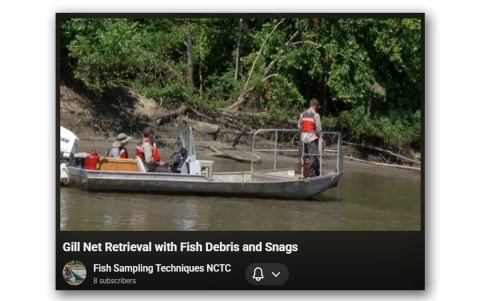
Gill Net Retrieval with Fish Debris SnagsGill net retrieval with added difficulty due to debris and snags. VIDEO: https://youtu.be/jJatR_5w7_M | ||||||||
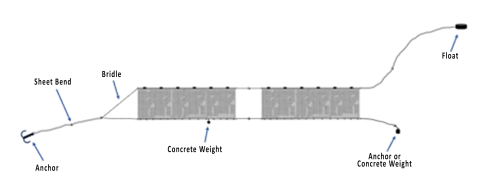
Structure of the Gill Net in these Videos | ||||||||
DefinitionsCatch Processes: Primary ways fish are caught in gill nets- Floats: Buoyant material of various sizes and shapes used to provide additional floatation to nets, in this case gill nets. Purposes include reducing collapsibility of gillnets or positioning the gill net near water surface. Floats also are attached to retrieval lines to indicate position of the gill net and aid in the retrieval of a gill net. | ||||||||
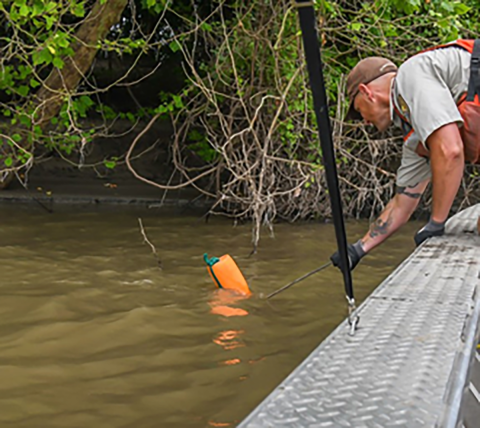
Retrieving a net by using a gaff to grab the float. | ||||||||
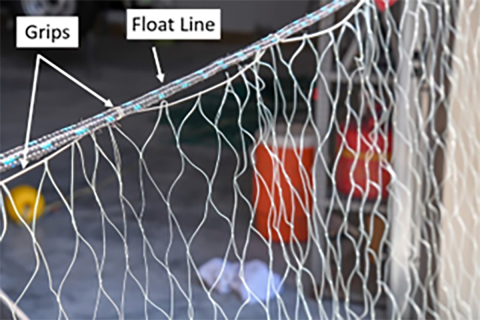
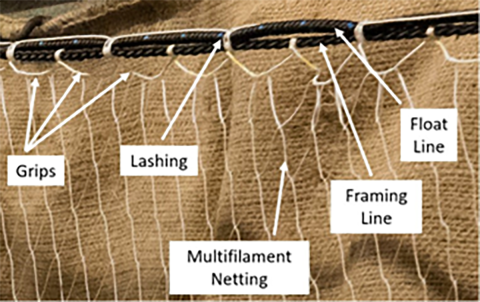
Float Line: Floats the gillnet, with the lead line, keeps the mesh in a vertical orientation; often built of foam core line but may include the addition of floats; good design has float line lashed to a framing line; poorer built gillnets have the netting directly tied to the float line without a framing line. Framing Line: Holds netting in place (mesh attached to framing line); supports the weight of netting and captured fish Grips: two ties, section of twine that holds the netting to the framing or float/lead line; also known as “hanging line”; good spacing between ties is 6”, 9”, or in the case of large mesh, less commonly a maximum of 12” | ||||||||
Gill Net top with labeled parts including the grips. | ||||||||
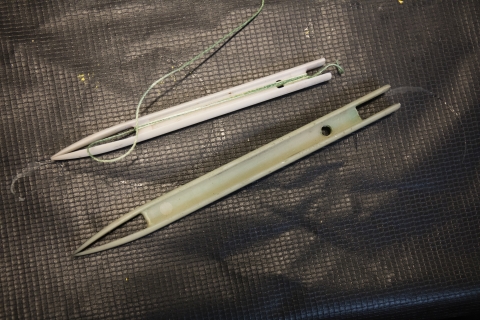
Hanging Ratio (HR): A measure of netting tension. Mathematically, HR is a ratio, the length of mesh divided by length of framing line (or float line). The ratios are equal to or greater than 1.0 HR = 2:1 is standard (what you get when ordering from a catalog); 2:1 is effective for smaller fish; HR = 3:1 has a better capture efficiency for larger fish and takes a longer time for gear saturation; some commercial operations have used 4:1 hanging ratio. Note: HR also is calculated in the inverse, framing line divided by mesh length. This means that HR ratios are equal to or less than 1.0, e.g., HR = 0.50 H-needle: An improved design over the netting needle shuttles. Used to construct or repair netting. Advantage is that the twine does not unravel when dropped (as compared to the former “flat needle” design) | ||||||||
Two H-needles, the upper partially load with twine, the lower needle is empty. | ||||||||
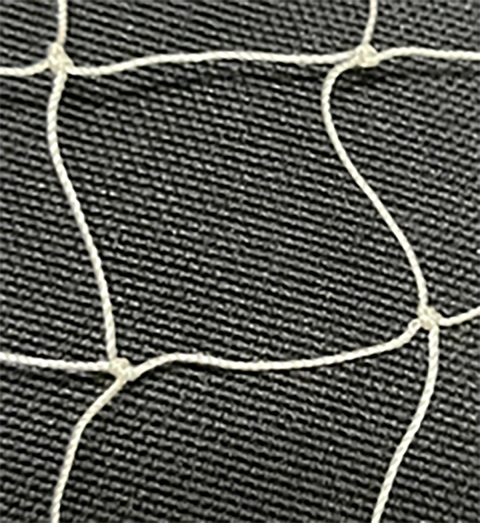
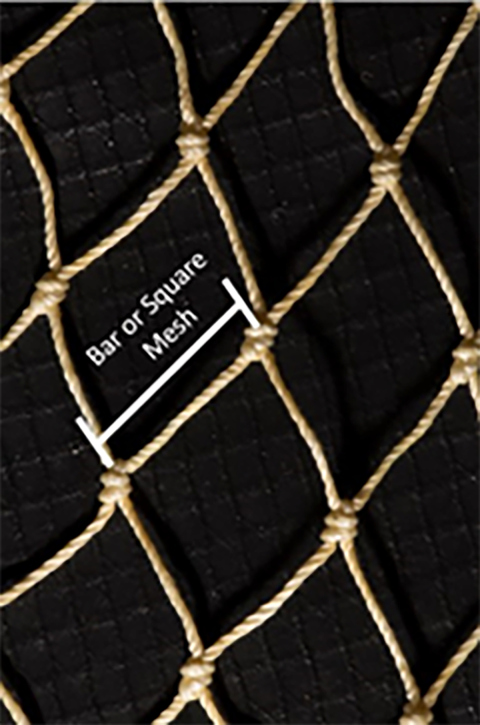
Lead Line: Provides weight to help keep the gillnet in a vertical orientation; made of lead core line, pellets, or balls, but may include the addition of outside weights; best construction is lashed to a framing line. Mesh (Bar or Square): The length of twine from mid-knot to mid-knot. | ||||||||
Bar or square mesh measurement indicated on a section of netting. | ||||||||
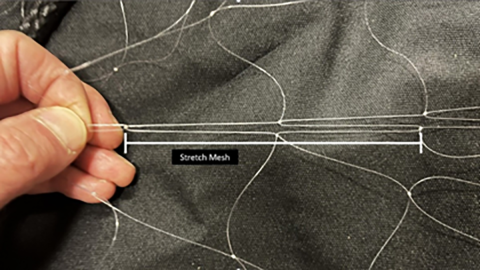
| Mesh (Stretch): The maximum length of twine between opposite mesh knots when stretched. In other words, the distance of the stretched diagonal distance between opposite mesh knots. Stretch mesh is twice the bar mesh of a given netting. | ||||||||
Example showing mesh stretch. | ||||||||
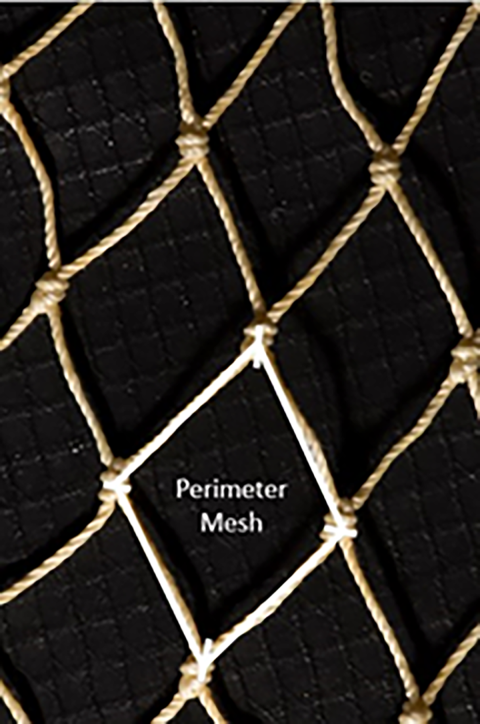
| Mesh (Perimeter): The distance around a single mesh, equal to 4 times the bar mesh. Used to help predict the population size class most susceptible to capture, especially when the major mode of capture is wedging. If the mesh perimeter is larger than the fish maximum girth, then the fish can pass through the net. If the mesh perimeter is much smaller than the fish girth, the fish cannot enter the net. If the mesh perimeter is slightly smaller than the fish girth, then capture is possible by wedging. A rule-of-thumb for salmon and trout less than 500 mm in length is that the most frequent fish length captured of a population is 2.5 times the mesh perimeter or 10 times the bar mesh. | ||||||||
Perimeter mesh measurement indicated on a section of netting. | ||||||||
| Monofilament diameters: The cross-sectional width of the monofilament netting. Less than 1.0 mm. Typically in gill nets, monofilament diameters increase with increasing bar mesh size. | ||||||||