


What We Do
The National Wildlife Refuge System is a series of lands and waters owned and managed by the U.S. Fish and Wildlife Service. Wildlife conservation is at the heart of the refuge system. It drives everything we do from the purpose a refuge is established, to the recreational activities offered there, to the resource management tools we use. Selecting the right tools helps us ensure the survival of local plants and animals and helps fulfill the purpose of the refuge.
Management and Conservation
National Wildlife Refuges use a wide range of land management tools based on the best science available. Some refuges use prescribed fires to mimic natural fires that would have cleared old vegetation from the land helping native plants regenerate and local wildlife to thrive. Other refuges contain Wilderness areas where land is largely managed passively and exclude modern technologies. The management tools used are aimed at ensuring a balanced conservation approach where both wildlife and people will benefit.
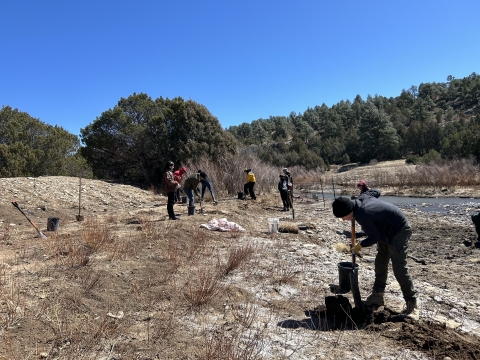
One of the largest tools used at Rio Mora National Wildlife Refuge and Conservation Area is river restoration. Working closely with the Hermits Peak Watershed Alliance, many areas of the refuge are being restored their previous riparian riparian
Definition of riparian habitat or riparian areas.
Learn more about riparian habitats that were once changed due to the ranching. Now plantings occur in spring or summer, with help from different organizations and groups of different riparian plant species including willow, grasses, and riparian shrubs, to restore the riverbank of the Mora River. In cooperation with local organizations, the refuge is actively working to de-channelize the Mora River to restore it to the historical meanders that had once existed before the days of homesteads and ranching.
Our Services
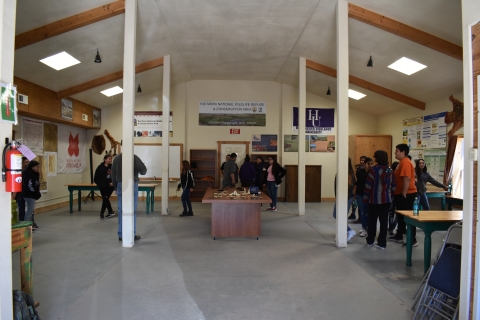
Rio Mora National Wildlife Refuge and Conservation Area offer educational facilities for groups to learn about the refuge, its history, and sciences from within our educational area in the canyon of the refuge. If this is something your group is interested in reserving for an event or program, please contact us at 505-398-6481.
Our Projects and Research
On Rio Mora National Wildlife Refuge and Conservation Area, the staff strive to learn more about the habitat that is currently and historically on the 4,224 acres of the refuge. On-going projects include Mora River Restoration, New Mexico meadow jumping mouse Research, and more!
Law Enforcement
U.S. Fish and Wildlife Service law enforcement officers have a wide variety of duties and responsibilities. Officers help visitors understand and obey wildlife protection laws. They work closely with state and local government offices to enforce federal, state and refuge hunting regulations that protect migratory birds and other game species from illegal take and preserve legitimate hunting opportunities. Some other duties include patrolling closed areas or Wilderness areas, maintaining relationships with neighboring landowners, maintaining refuge boundaries and participating in public events related to refuge issues.
Law enforcement issues should be referred to the Law Enforcement Officer or Refuge Project Leader.
Laws and Regulations
Many National Wildlife Refuges work under different laws and acts that provide them with guiding actions. The National Wildlife Refuge System Improvement Act of 1997 provides further guidance for management decisions, including the determination of compatible uses on refuges. This act identifies six priority wildlife dependent recreational uses that include hunting, fishing, wildlife observation, wildlife photography, environmental education and interpretation. Rio Mora strives to provide these priority uses in ways that does not greatly impact our main mission of restoration, research, and education surrounding the Mora River.