Working with others to conserve, protect, and enhance fish, wildlife, plants, and their habitats for the continuing benefit of the American people.

What's going on at FWS

With more than 560 National Wildlife Refuges, 70 national fish hatcheries, numerous regional and field offices across the country and thousands of active conservation projects, the nearly 8,000 employees of the U.S. Fish and Wildlife Service have a lot going on. Here are a few of the latest news stories from across the Service...

A white moth with a large fuzzy body and long antennae
Wildlife Wonders
Our nation's nature
To celebrate America's 250th birthday, we're highlighting the incredible wildlife that calls this beautiful country home. This week, learn about the spicebush swallowtail, eastern fence lizard, cedar waxwing, Virginia tiger moth, green anole, common yellowthroat and spotted salamander.
A woman sits on a rock watching sandhill cranes land in a field.
Recreation
Spring break for sandhill cranes in Colorado
Every year in southern Colorado, San Luis Valley is full of spring break revelers, but not the ones taking a break from school. Sandhill cranes have been stopping by each spring for thousands of years. These days, they rely on Monte Vista National Wildlife Refuge and neighboring agricultural lands...
A sea turtle with it's back half in a hole in the sand, laying eggs.
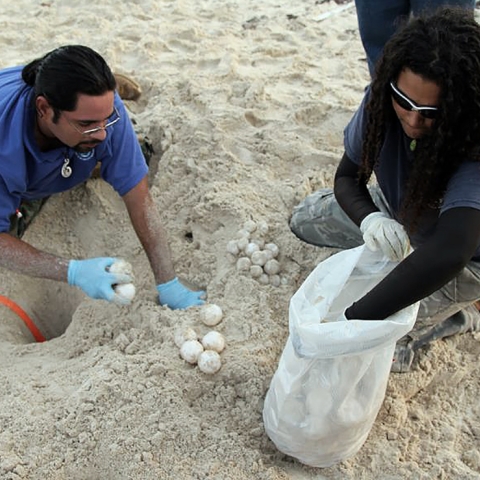
Safeguarding Sea Turtle Nests Across the Texas Coast
Every spring, the Texas coast becomes a vital nursery for thousands of nesting sea turtles. Green, loggerhead, and Kemp’s ridley sea turtles all nest on our sandy shores. Kemp’s ridley sea turtles, the worlds smallest and most endangered sea turtle, rely almost entirely on Gulf beaches in Texas and...
FWS staffers hold America 250-FWs flag as US flag flies
History and Culture
Birds Keep Flags Company at Bosque del Apache National Wildlife Refuge
As part of the Flags Across America initiative for America’s 250th anniversary, the U.S. Fish and Wildlife Service is sharing stories from the places where our commemorative flags have traveled. From historic hatcheries to vibrant refuges, each stop celebrates conservation as an enduring American...
A green ceramic mask of a human face sits beside three animal skulls on a metal table next to an opened package
Wildlife Crime
Massachusetts man sentenced for smuggling skulls, skins, and claws of protected species
A USFWS investigation, prompted by a mislabeled package concealing skulls of protected species, showed that a Massachusetts man had been knowingly buying, selling, and trading hundreds of wildlife parts in violation of U.S. and international laws and treaties for years.
Five whooping cranes, three white adults and two tawney-colored juveniles, walk along the edge where salt flats meet shallow water. They are surrounded by other smaller out of focus shorebirds.
Wildlife Wonders
Whooping Cranes Winter in Oklahoma
Every spring and fall at Salt Plains National Wildlife Refuge seasoned birders know to keep a keen eye for the elusive whooping crane. A large proportion of these rare, endangered birds make pit-stops at the refuge as they migrate from their breeding grounds at Wood Buffalo National Park in Canada...

Our Focus

The history of the U.S. Fish and Wildlife Service can be traced back to 1871. We are the only federal government agency whose primary responsibility is to manage fish and wildlife resources in the public trust for people today and future generations. Here are just a few of our focus areas...

What We Do For You

If you’re looking for places to experience nature; interested in partnering with us; seeking technical advice, permits, grants, data or scientific research; want to know more about today’s conservation challenges; looking for ways on how you can get involved and make a difference -- the Service has a lot to offer and more…

Visit Us - Our Locations

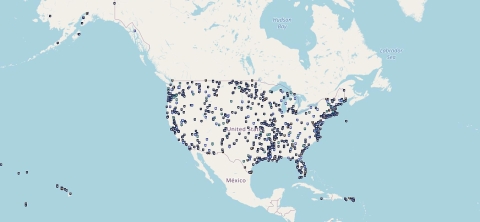
With more than 560 national wildlife refuges, dozens of national fish hatcheries and more than 100 field offices, there are numerous great U.S. Fish and Wildlife Service locations to visit.