Every year in southern Colorado, San Luis Valley is full of spring break revelers, but not the ones taking a break from school. Sandhill cranes have been stopping by each spring for thousands of years. These days, they rely on Monte Vista National Wildlife Refuge and neighboring agricultural lands throughout the valley. Traveling from their winter homes to summer nesting grounds, the refuge is a great place to observe the annual migration. So much so that the Monte Vista community hosts a yearly festival to celebrate the return of the birds. We at the U.S. Fish and Wildlife Service are proud to support this festival and be part of a great community. Read on to learn more about the cranes and how you can “stopover” some time too.

A gathering of birds and people
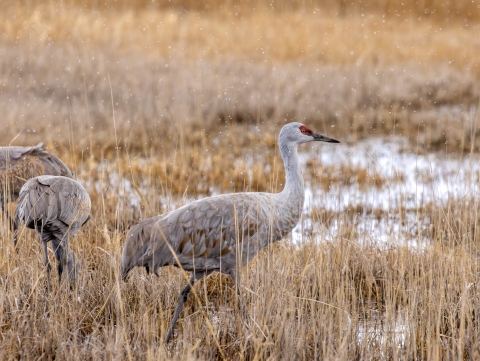
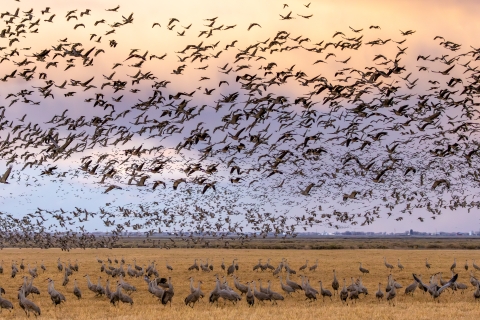
Thousands of people flock to the San Luis Valley to witness the annual spring migration of sandhill cranes. The cranes stopover between February and April, with numbers peaking in March just in time for the festival. More than 20,000 cranes pass through each spring and fall.
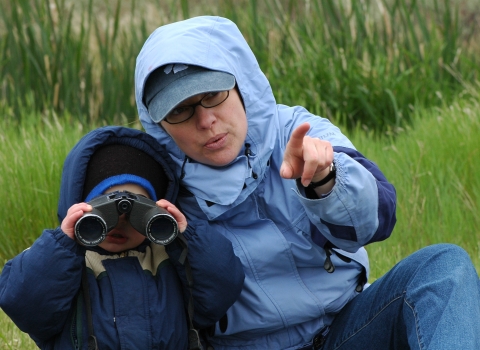
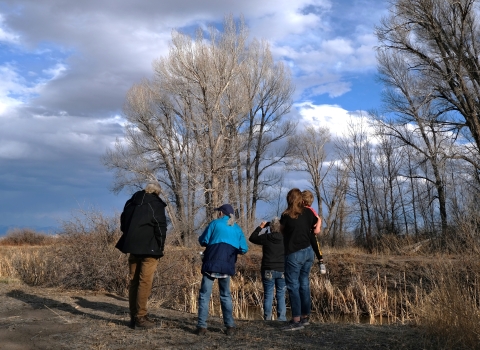
For more than 20 years, the Monte Vista Crane Festival has drawn people from across the state and country, contributing millions of dollars to the local economy. Started by the Monte Vista Chamber of Commerce, it has grown over the years. Avid bird watchers, nature enthusiasts and local families enjoy the opportunity to view the birds at Monte Vista National Wildlife Refuge, listen to expert speakers, attend art workshops and shop local artisans at the craft and nature fair.
Great habitat for cranes
The valley stretches between the San Juan Mountains to the west and the Sangre de Cristo Mountains to the east. In the spring, that water drains from the mountains down onto the valley floor, supporting a patchwork of wetlands and shallow ponds that support wildlife and people. Additionally, the mighty Rio Grande starts in the San Juans and winds its way southeast through the valley. It’s no wonder that people have relied on the abundance of the valley and the surrounding mountains since time immemorial. Petroglyphs of sandhill cranes are also in the area, indicating that today’s visitors are not the first people interested in these birds and their yearly return.
Raptors like bald eagles and red-tailed hawks, migratory birds, ducks, geese, elk and other animals are additional wildlife wonders that may be spotted while enjoying the cranes during their spring stopover. For many visitors, the beautiful valley landscapes and mountains are reason enough to spend time in this corner of Colorado.

Viewing tips
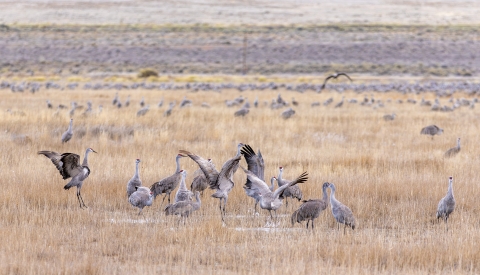
There is no bad time of day to view the cranes. Throughout the day, you can see them feeding in fields and wetlands on Monte Vista National Wildlife Refuge and neighboring lands. Grain fields on the refuge are mowed in the spring to provide food for birds at a time when food is more limited on private lands. These are great places to view the cranes feeding, from dawn to about mid-morning. During midday, wetland areas on the refuge may be your best bet. The cranes enjoy loafing in these areas, rest and searching for invertebrates, tubersand other tasty snacks. The shallow, open water areas where they roost are not easily visible, but the morning arrival and departure from the fields and wetlands offer incredible opportunities to view many hundreds of cranes landing or lifting off at the same time.
The self-guided wildlife drive includes scenic pullouts that offer excellent viewing and photography opportunities. Visitors can also enjoy the short Meadowlark Nature Trail for closer views of the wetlands. Staffed by Friends of the San Luis Valley National Wildlife Refuges, a contact station staffed near the refuge entrance provides brochures, wildlife sighting updates and information for those visiting during the festival.
Remember not to approach wildlife or disturb them. This not only keeps wildlife safe but gives you the best opportunity to view them.

Sandhill cranes natural history
Between 3 and 5 feet tall, their wingspan stretches even further - between 5.5 and 7 feet. These huge birds make quite a ruckus. Their loud and croaking calls are one of the easiest ways to recognize them before you see them. Somewhere between a rusty, swinging gate fence and the raptor calls from Jurassic Park, they can be heard over two miles away! These flying dinosaurs are also famous for their complicated courtship dances. They will jump and dance together on the ground, dipping and swooping in elegant pirouettes and leaps as they nod their heads to their prospective mates. Once they choose a partner, they remain mated for life. They can live to be approximately 30 years old.
National wildlife refuges play an essential role in supporting these amazing migratory birds. The Rocky Mountains greater sandhill crane population winters near Bosque Del Apache National Wildlife Refuge in New Mexico, stops over at Monte Vista National Wildlife Refuge and nest and raise their chicks on and around Grays Lake National Wildlife Refuge in southern Idaho. The refuges protect and restore the habitat the cranes need.
The birds prefer wet meadows surrounded by upland or forested habitat. They spend their days in fields, prairies, grassy plains and pastures where they can use their long, sharp beaks to probe the ground for their preferred foods. Cranes can eat plants, grains, tubers, insects, even lizards, fish or other small animals.
Like many migratory birds and waterfowl, cranes have a specific way they like to build their nests. Typically, in a few inches of water, they create a shallow bowl with sticks and grasses. Called colts instead of chicks, as a nod to their long-legged bodies, they can run almost immediately after hatching. Colts will stay with their parents through the summer, fall and winter, until the following spring migration.

Plan your visit
The San Luis Valley supports thriving agricultural and outdoor recreation-based communities. Visitors can enjoy hiking, mountain biking, skiing, fishing, hunting – basically anything you’d want to do outside! We suggest visiting one of the three, free national wildlife refuges in the valley, Alamosa, and Baca, and Monte Vista or the nearby Great Sand Dunes National Park during your stay. With a population of about 50,000 people across the entire valley, you will find space to breathe and enjoy the wild and wildlife wonders. The only crowd you’llhave to worry about are all those cranes.