


Prescribed fires are conducted under desired conditions to meet specific objectives, such as improving ecosystem health and decreasing fire intensity during wildfires. Managers compose a detailed prescribed burn prescribed burn
A prescribed burn is the controlled use of fire to restore wildlife habitat, reduce wildfire risk, or achieve other habitat management goals. We have been using prescribed burn techniques to improve species habitat since the 1930s.
Learn more about prescribed burn plan that clearly defines the suitable weather and fuel conditions, the desired fire behavior, and the effects needed to meet predetermined objectives. Prescribed fires can enhance community safety by reducing the buildup of dead wood and other debris that can contribute to unnaturally intense wildfires.
Visit Us
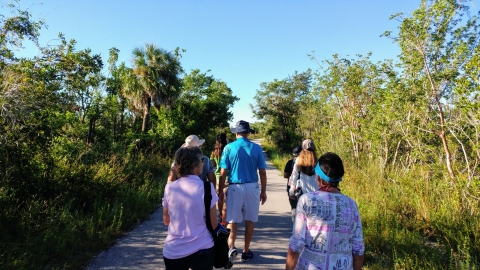
A visit to Ten Thousand Islands National Wildlife Refuge changes with each season! During the summer, thousands of water birds roost on the coastal islands. On summer nights loggerhead sea turtles drag themselves onto refuge beaches to nest. Mangrove cuckoos and black-whiskered vireos can be heard calling from the mangroves as they mark their home territory on the refuge in a flurry of spring activity. Manatees feed within the estuary and find shelter from the cold winter months at nearby Port-of-the-Islands. Wintering waterfowl forage in the drying northern marshes as bald eagles soar over the open water searching for a meal.
Location and Contact Information
About Us
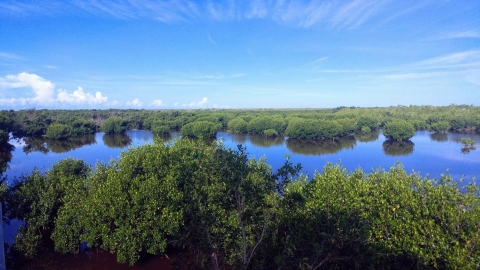
The refuge is part of the largest expanse of mangrove forest in North America. Approximately two thirds of the refuge is mangrove forest, which dominates most tidal fringes and the numerous islands, or keys. The northern third of the refuge consists of brackish marsh and interspersed ponds, small coastal hammocks of oak, cabbage palms, and tropical hardwoods such as gumbo limbo.
What We Do

Wildlife conservation is at the heart of the National Wildlife Refuge System. It drives everything on U.S. Fish and Wildlife Service lands and waters managed within the Refuge System, from the purposes for which a national wildlife refuge national wildlife refuge
A national wildlife refuge is typically a contiguous area of land and water managed by the U.S. Fish and Wildlife Service for the conservation and, where appropriate, restoration of fish, wildlife and plant resources and their habitats for the benefit of present and future generations of Americans.
Learn more about national wildlife refuge is established to the recreational activities offered to the resource management tools used. Using conservation best practices, the Refuge System manages Service lands and waters to help ensure the survival of native wildlife species.
Our Species
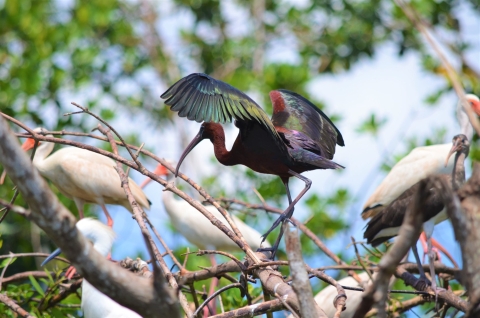
The rich estuarine, mangrove, and marsh habitats of Ten Thousand Islands National Wildlife Refuge attract hundreds of species of wildlife. The abundance and diversity of wildlife on Ten Thousand Islands National Wildlife Refuge is directly related to the health and diversity of the habitats on the refuge.
Our Library
Visit our digital library for a one stop shop to see refuge documents and brochures.
Get Involved
From its start in 1903, the National Wildlife Refuge System has owed its very existence to concerned citizens eager to protect America's natural resources.