Invasive species are well known to be bad. But what makes a species invasive? There are two key components that determine if a plant, animal, or other living organism is invasive.
- Thrive in an environment where they don’t naturally live
- Cause Harm (or are likely to cause) to economic, environmental human, animal, or plant health.
Alaska’s communities, cultures, and economies rely on healthy ecosystems, lands, and associated natural resources. Despite the perceived remoteness, Alaska is vulnerable to the expansion of invasive species invasive species
An invasive species is any plant or animal that has spread or been introduced into a new area where they are, or could, cause harm to the environment, economy, or human, animal, or plant health. Their unwelcome presence can destroy ecosystems and cost millions of dollars.
Learn more about invasive species . Aquatic and terrestrial invasive species can disrupt or destroy the natural resources that Alaskan’s businesses and citizens rely on for food, water, transportation, income, and recreation.
Federal, state, tribal agencies, along with local organizations and citizens, are working to protect against and mitigate this harm.
Here are a few of the top invasives in Alaska:
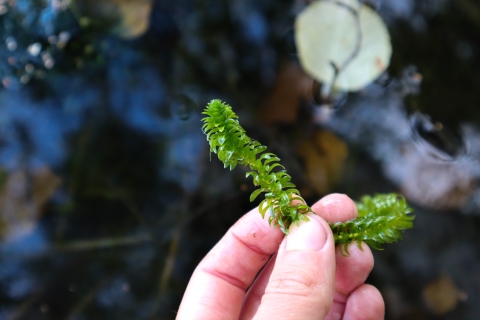
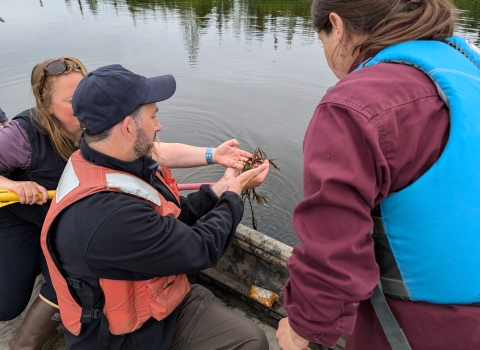
Elodea is Alaska’s first (and only) freshwater invasive plant. It grows rapidly, outcompeting native plants and creating a monoculture. Only a 2-inch fragment can start a new population. It can slow stream flow, causing sediment to settle out and cover up critical spawning habitat for salmon, whitefish, and others.
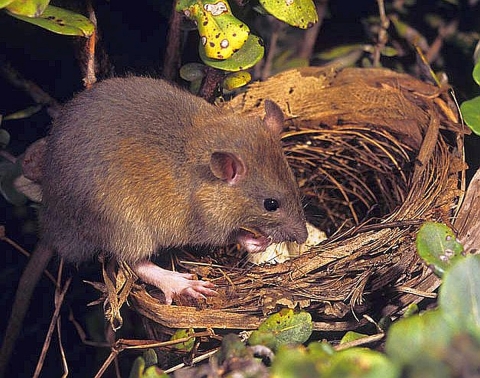
Norway rats have reached cities and even remote islands as stowaways on ships. They are devastating predators to seabird eggs, chicks, and even adults, causing cascading effects on island ecosystems. They are potential disease carriers. Plus, they readily chew anything and everything, destroying wiring and infrastructure on ships and to homes.
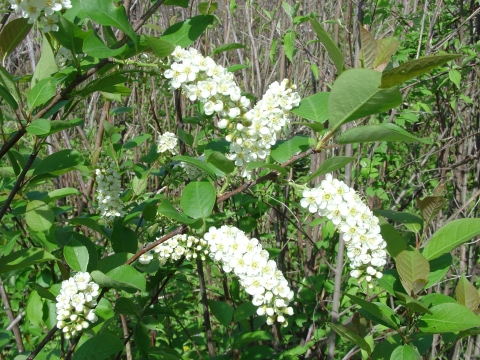
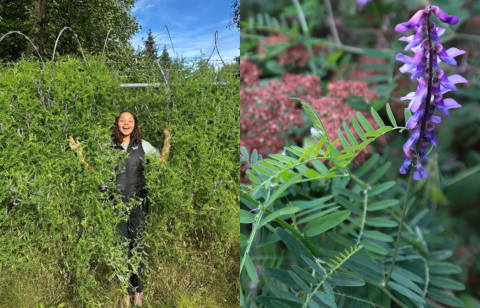
Chokecherry, also known as European bird cherry or Mayday trees, crowd out-- or as their name suggests, choke out-- native plants, taking over forest and riparian riparian
Definition of riparian habitat or riparian areas.
Learn more about riparian areas. They can spread rapidly along streams, altering availability of prey for juvenile salmon. Plus, they contain cyanide and can be toxic to mammals, including moose!
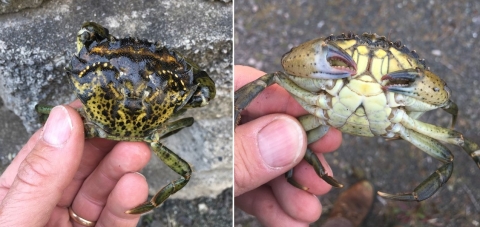
Despite the name, invasive green crabs aren’t always green, but they are always destructive outside of their native range. These generalist predators have a huge appetite, feeding on mussels, clams, juvenile oysters, native crabs, and even juvenile salmon. Plus, they destroy eelgrass beds which are critical habitat for native fish, crustaceans, migratory birds, and marine mammals.
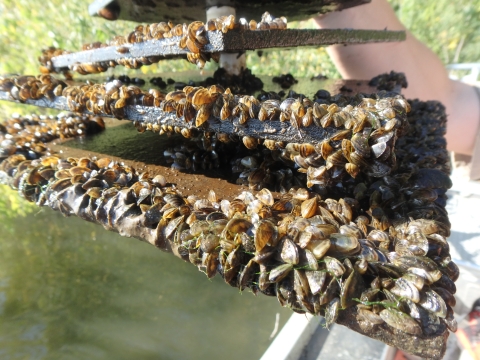
Alaska is one of six Western states not infested with zebra mussels or closely related Quagga mussels. These invasive mussels filter feed, reducing food and nutrient availability for native species. They attach to hard surfaces, expanding quickly into dense colonies and damaging infrastructure—they can even clog water intake pipes! Unfortunately, each year they are discovered in new locations closer to Alaska, further emphasizing the importance of citizens taking ownership in helping government officials play a role in prevention and early detection.
Prevention is the most cost-effective method for invasive species management.
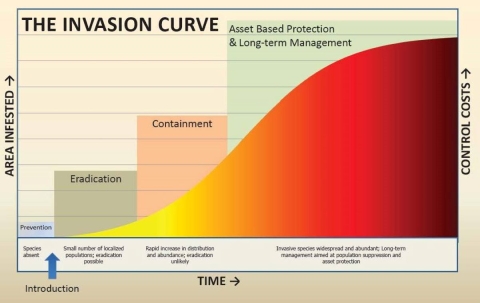
The invasion curve depicts the stages of invasive species management from before they arrive (prevention) to well-established/growing populations (long-term management). In Alaska, most efforts fall into the early portion of the curve, focused on prevention and eradication efforts. Waiting until an invasive species is established to start management costs valuable taxpayer dollars, time, resources, and infrastructure. A recent study estimated pre-invasion/prevention spending is 25 times lower than post-invasion, eradication or long-term management.
Costs of invasive species:
- Globally: The annual cost of invasive species exceeded $423 billion in 2019!
- United States: The annual cost of invasive species is now greater than $21 billion! Between 1960 and 2020 the total U.S. cost exceeded $1.22 trillion! U.S. cost 50-year cost associated with resource damages and losses total more than $896 billion!
- Alaska: If left unmanaged, annual Elodea infestations could cost $159 million! Without eradication of Elodea, Alaska scientists predict massive costs to the commercial sockeye fishery and ecological, recreational, cultural, and personal property losses. Additionally, Zebra mussels prevention in Alaska is critical. In the Great Lakes Region, damages from invasive Zebra mussels to power plants, water systems, and industrial water intakes cause $300-500 million annually!
Not only is it the right thing to do-- it’s everyone’s responsibility.
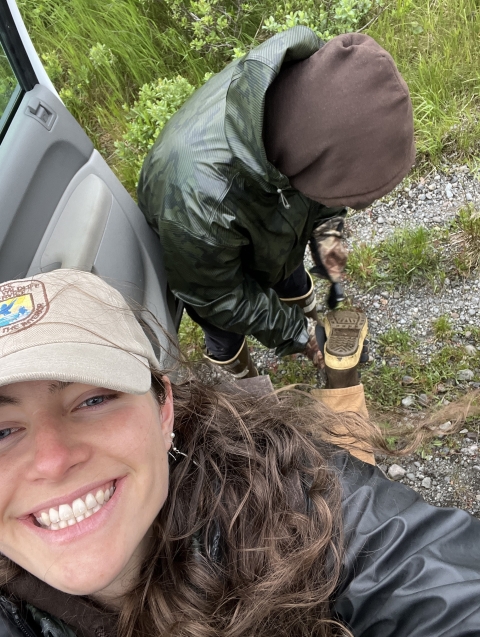
All Alaskan’s can help prevent potential invasive species spread with these simple steps.
- When out recreating, clean your gear, boats, hiking boots, and everything else to prevent the spread of invasive seeds, larvae, or aquatic species between regions. [bonus if you have a buddy clean your boots for you!]
- When gardening or landscaping, opt for native plants to help maintain local biodiversity and discourage the introduction of non-native species.
- When considering alternative pet care, re-home all pets to prevent them from becoming invasive.
Report any sightings of invasive species to local authorities, as early detection is key to effective control.
- Call 1-877-INVASIV (1-877-468-2748)
- Use Alaska Department of Fish and Game Online Invasive Species Reporter
A multitude of federal and state laws, mandates, and regulations are in place to protect against invasive species. If you are interested in learning more USFWS invasive species work, including the authorities that govern this work check out USFWS Invasive Species: What We Do.