Written By

To celebrate America's 250th birthday, we at the U.S. Fish and Wildlife Service are highlighting the incredible wildlife that calls this beautiful country home. From American icons to subtle specialists, join us as we highlight seven species each week: one species for each of the 250 days leading up to America's 250th birthday.
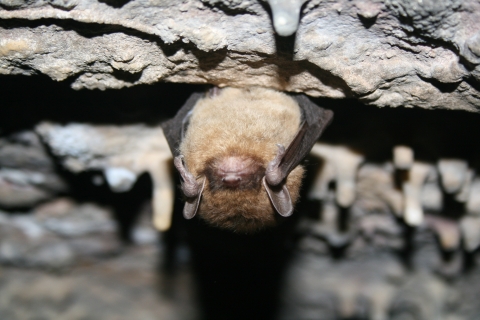
Little brown bat (Myotis lucifugus)
The little brown bat is one of the most widespread bat species in North America, known for its small size, rapid flight and appetite for insects. These bats pass the winter in deep hibernation in caves, mines and other sheltered areas where temperatures remain cool and stable.
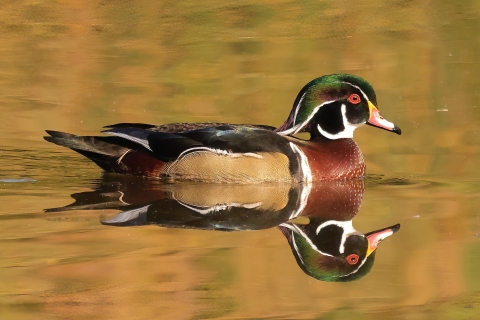
Wood duck (Aix sponsa)
The wood duck is one of North America's most colorful and striking waterfowl. Found in wooded swamps, rivers and marshes, these ducks nest in tree cavities near water. In the winter, they're focused on feeding on seeds, acorns and aquatic invertebrates.
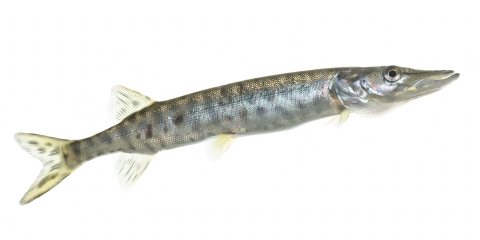
Muskellunge (Esox masquinongy)
The muskellunge, or muskie, is a top predator in North American cool, clear freshwaters, known for its impressive size and tooth-filled mouth. They spend winters in deep waters, conserving energy as they await warming temperatures.
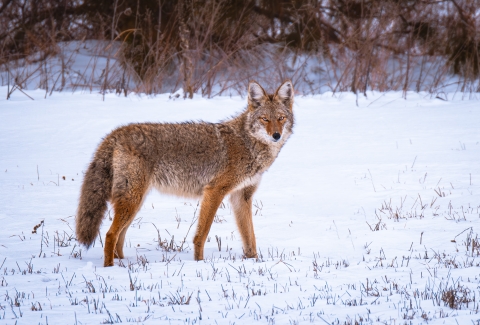
Coyote (Canis latrans)
The coyote is among the most adaptable mammals in North America, thriving in a variety of habitats from remote wilderness to urban neighborhoods. Right now, it’s breeding season, with pairs forming or reinforcing bonds through howling, scent marking and cooperative hunting. Coyotes are key players in healthy ecosystems, helping to control rodents and small mammals.
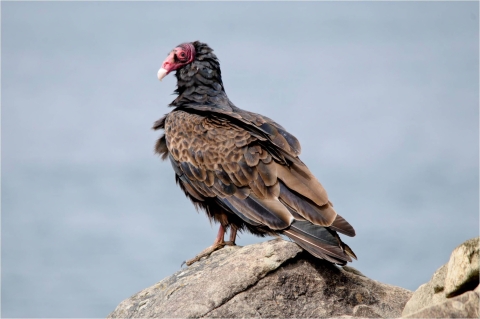
Turkey vulture (Cathartes aura)
The turkey vulture is a helpful scavenger known for its soaring flight, featherless red head and crucial role in cleaning up messes. Many vultures begin migrating north as early as February.
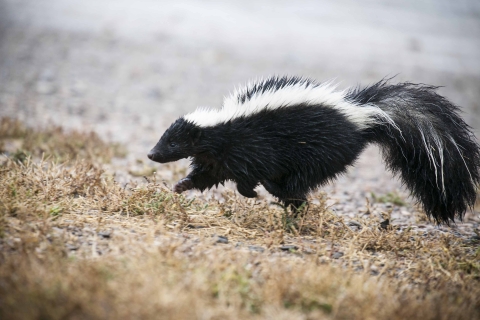
Striped skunk (Mephitis mephitis)
Can you smell it? Love is in the air! Striped skunks are emerging from winter dens as breeding season begins. Males may travel long distances in search of mates, so watch for skunks along roads.
Ozark cavefish (Troglichthys rosae)
The Ozark cavefish is a rare species found only in dark, underground waters of the Ozark Plateau in Missouri and Arkansas. They're blind and nearly colorless, adapted to life in the dark where they rely on touch and vibration to navigate and find microscopic prey.