Written By

Each fall, Americans from every walk of life grab their rods, reels, bows, and shotguns to celebrate a tradition older than the nation itself. National Hunting and Fishing Day is celebrated on the fourth Saturday of September. It’s more than just a date on the calendar, it’s a celebration of how deeply rooted hunting and angling are in America’s story, and how these activities continue to shape conservation today.
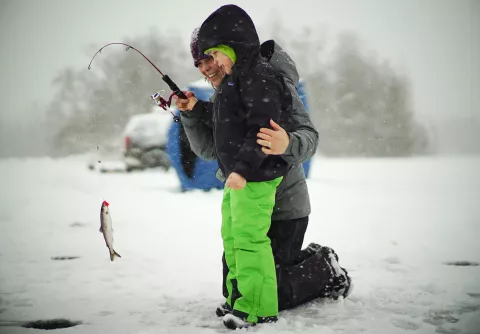
For the U.S. Fish and Wildlife Service, this day holds a special meaning. Hunting and fishing aren’t just pastimes we love; they’re conservation tools we embrace. Across the country, many of the more than 570 national wildlife refuges and 71 national fish hatcheries welcome outdoor recreationists each year. In fact, hunting and fishing is allowed on over 400 units. These opportunities connect people with the land and water in powerful ways while supporting our mission to conserve wildlife and habitats.
A Legacy of Conservation
Hunters and anglers have long been at the heart of America’s conservation movement. The funds generated from hunting and fishing licenses, stamps, and gear purchases are reinvested directly into wildlife conservation, habitat restoration, and public access projects. It’s a uniquely American model that ensures the places we love to hunt and fish remain healthy and productive for generations to come.
Tradition Meets Access
National wildlife refuges offer some of the best hunting and fishing access in the nation. Whether it’s waterfowl hunting on the prairie potholes of the Dakotas, calling moose in Alaska, casting for bass in southern wetlands, or waiting for a white-tailed deer in Canaan Valley National Wildlife Refuge in West Virginia. These experiences are open to all, providing safe, sustainable, and affordable ways to connect with the outdoors.

Looking Ahead
As America prepares to celebrate its 250th birthday in 2026, National Hunting and Fishing Day is a reminder of the shared heritage that binds us. It’s about family traditions passed down at the water’s edge, friendships forged in duck blinds, and the deep responsibility we all share to steward our lands and wildlife.
So, whether you’re headed to your local refuge, fishing on a nearby river, or teaching the next generation how to find their first tracks in the mud, know that you’re part of a living legacy. That’s something worth celebrating every day.