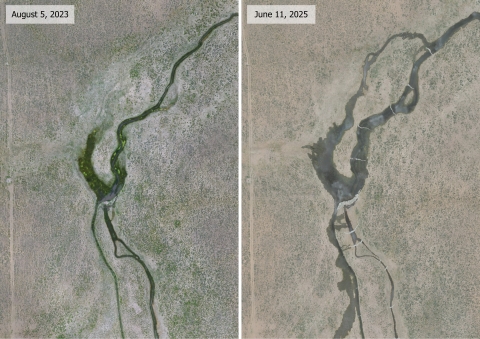
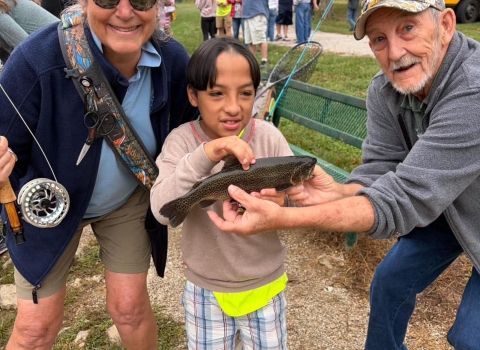
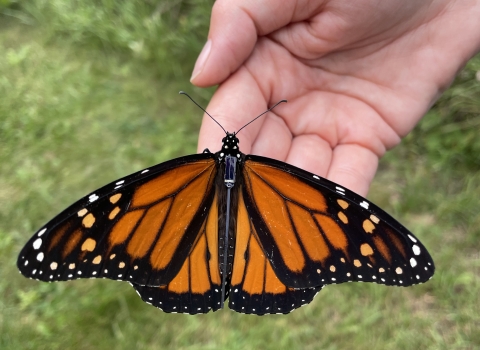
In Utah, the second driest state in the nation, water means everything. Some of the most productive wildlife and plant habitats occur at the “toe” of mountains and plateaus, where water and nutrients concentrate as they flow downhill and through the soil profile from above. These wet-meadow ecosystems are ecological powerhouses, providing clean water, forage and shelter for wildlife while supporting economic sustainability of rural communities and outdoor recreation. The U.S. Fish and Wildlife Service’s Partners for Fish and Wildlife Program is working with landowners, livestock producers, non-government organizations and local contractors to restore wetlands near Koosharem, Utah. This work benefits mule deer, Rocky Mountain elk, migratory birds, pollinators, grazing lands and people. Keep reading to learn more about our work with an amazing community in Utah!
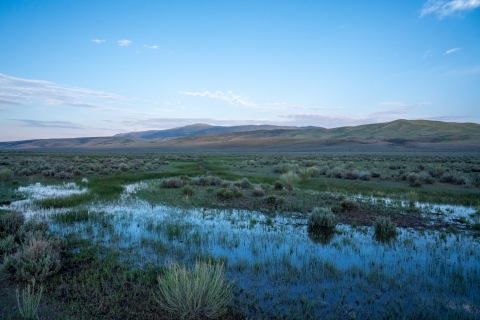
End-of-slope focus area
The state coordinator for our partners program in Utah, Clint Wirick, recognized the untapped potential of these end-of-slope areas, creating an End of Slope Focus Area in southern Utah. This focus area helps our partners program provide funding and share conservation expertise with local landowners and other conservation partners. The project near Koosharem demonstrates how this focus area supports wildlife and communities. A team of landowners and folks from Utah Division of Wildlife Resources, Utah State University, Terra Sophia LLC, Utah Watershed Restoration Initiative and our partners program initiated a project to create a larger, fully functioning complex of wet meadows by reconnecting floodplain surfaces. Wet meadows act as natural sponges, slowing runoff, storing water and extending the growing season for plants both on site and downstream as moisture works its way through the soil profile throughout the year. This restoration project helps livestock and wildlife access water resources and improves forage quality and diversity.
Big game and big benefits
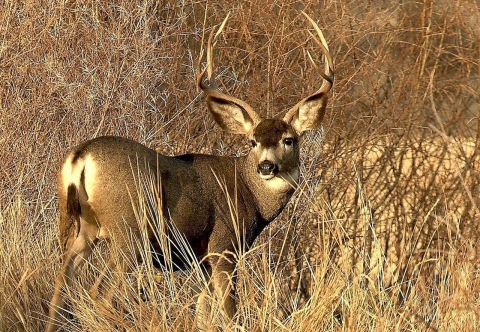
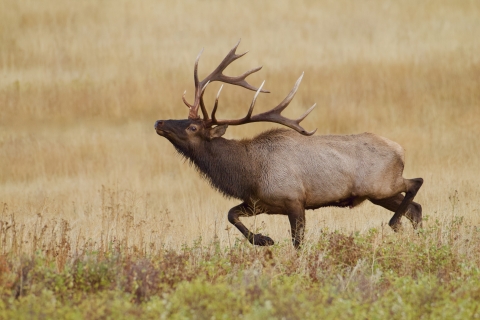
Healthy habitat equals healthy wildlife. For mule deer and Rocky Mountain elk, two of Utah’s most iconic species, the quality and quantity of forage directly influence survival. The better the food quality, the healthier the animal as winter starts, which is the most difficult time for big game. Mule deer populations across the West have declined largely due to habitat loss and they, like elk, rely on clean reliable water resources. Researchers have found that plants with a higher moisture content can help keep animals like mule deer hydrated longer. Additionally, research is showing during hot dry periods, elk and mule deer seek out mesic meadow valley bottoms to meet their dietary needs where herbaceous forage is still actively growing and green.
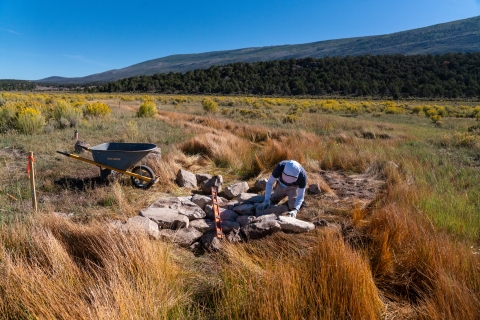
The project’s rock and wood structures reconnect floodplains by slowing and spreading water across meadow surfaces by adding “friction” in channels, causing water to wet adjacent soils and stop erosion where it is occurring. The structures aren’t haphazardly built either. Project partners have specific goals and structures are meticulously designed and built with the purpose of meeting those goals.
Over time, sediment and vegetation stabilize these structures, creating and expanding lush, resilient habitats. Wet meadows, like those restored in the End of Slope Focus Area, provide plant resources especially rich in nutrients and moisture. The results of the project so far are striking:
- Immediate wildlife response - Rocky Mountain elk, mule deer, bats, pollinators, toads, waterfowl and birds like sage thrashers and Brewer’s sparrows have been seen using the restored sites heavily.
- Larger floodplain surfaces are now irrigated, boosting plant diversity and forage.
- Enhanced sustainability of grazing lands by providing higher quality forage as livestock are trailed through in the spring and fall.
- More benefits for grouse populations within the Parker Mountain Sage-grouse Management Area, where wet meadow restoration addresses a key limiting factor.
Hunting for conservation
The area near Koosharem is known for the high-quality deer and elk hunting opportunity, part of our American heritage and important outdoor activity for Utah families. Hunters play a major role in funding conservation efforts. Nationwide, hunting contributes more than $45 billion annually to the outdoor recreation economy. In Utah alone, hunters spend $550 million each year, supporting 12,700 jobs and generating $925 million in economic ripple effect. Additionally, hunting conservation groups like the Mule Deer Foundation, Rocky Mountain Elk Foundation and National Wild Turkey Federation have all supported this project and adjacent upland projects by partnering with our partners program and public land agencies.
In America, hunters are some of the original conservationists, coming together to prevent the extinction of wildlife caused by unmitigated and commercial hunting, and preserve and restore habitat for waterfowl. Today, hunters must purchase a Duck Stamp if hunting waterfowl on private and public lands. Proceeds from the sale of the stamp support the purchase of vital habitat or conservation easements to benefit future generations of Americans. The stamp is just one way hunters support conservation and future generations of hunters. The Pittman-Robertson Act placed a small revenue tax on hunt related items that is sent to state wildlife agencies to be used for wildlife conservation projects, hunter education and outdoor recreation access. Every time you hunt – you are also making sure future generations of Americans can enjoy our shared natural heritage. Americans can enjoy our shared natural heritage.
Partners for Fish and Wildlife Program
The partners program offers technical and financial support to those interested in improving wildlife habitat on their land. Since 1987, nationally we have assisted over 25,000 landowners with more than 40,000 projects, restoring omore than six million acres of habitat. Projects are voluntary and tailored to landowners’ needs, allowing them to maintain ownership and manage their land while enhancing wildlife conditions. Our staff provide free assistance to plan, design, oversee and monitor habitat restoration projects, which can range from a small wetland to extensive grassland restorations. Landowners retain all property rights and are not required to allow public access. If you are interested in learning more about our partners program, visit our website to find a contact near you.