Written By


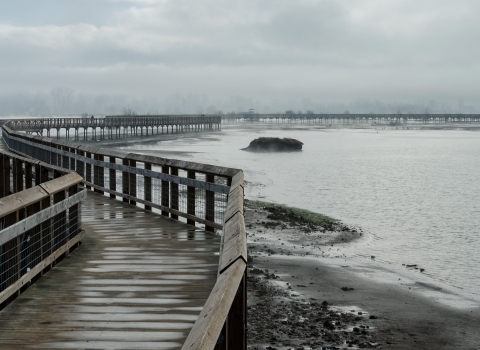
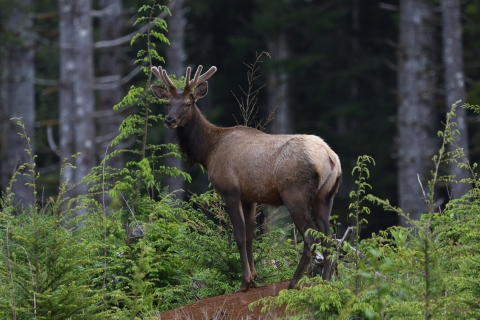
For millions of Americans, their love for nature is instilled during their first hunts, hunkered down well before dawn, waiting for the sun to rise and to hopefully harvest food to feed their families. At Willapa National Wildlife Refuge in southwest Washington, hunting and fishing are extremely popular activities for locals and visitors alike. The refuge recently opened 105 acres of shoreline and tidal marsh to waterfowl hunting and 710 acres of coastal forest to archery deer and elk hunting. With these new additions, almost 14,000 acres of the refuge are now open to hunting.
In addition to Willapa, 42 other national wildlife refuges and national fish hatcheries recently announced new hunting and fishing opportunities, underscoring a strong national commitment to outdoor recreation and conservation. Across the country, refuges generate billions of dollars in economic output and wages. They also contribute significantly to local, county, and state tax revenue—key drivers of the trillion-dollar outdoor recreation industry.

Proposed hunting opportunities on refuges are evaluated using the best available science and information to ensure the activity does not conflict with the refuge’s purpose or reason for being created. At Willapa, visitors can camp, hike, observe wildlife, participate in environmental education activities, hunt, and fish at different locations and during different times of year. All of these activities have gone through the same rigorous compatibility determination as the recent hunt expansion, as required under the National Wildlife Refuge System Improvement Act of 1997.
Why is Hunting Important for Conservation?
The US pioneered the conservation model that changed the world, ensuring future generations would benefit from our wild wonders. Referred to as the North American model of wildlife conservation, it started with hunters concerned about the over-harvest of wildlife. The early 1900s saw species like the passenger pigeon harvested to extinction by commercial operations and entire breeding colonies of birds like the snowy egret destroyed by plume hunters. One of the most important aspects of the North American model is that wildlife is held in the public trust – it belongs to everyone and is not for private profit.
The National Wildlife Refuge System is a network of public lands and waters born from that concern for the future of America’s wildlife and wild places. People with all different passions and preferences for outdoor recreation can enjoy these protected public lands and waters throughout Washington state – and the country.
Hunters were some of the first conservationists to raise money to maintain our public lands through the creation of the Duck Stamp. Proceeds from the sale of the stamp support the purchase of vital habitat or conservation easements. Additional funds for public lands and waters are raised through legislation passed by Congress. The Pittman-Robertson Act placed a small revenue tax on hunt related items. The proceeds are sent to state fish and wildlife agencies to be used for wildlife conservation projects, hunter education, and outdoor recreation access. Similarly, the Dingell-Johnson Act placed a small revenue tax on fishing related purchases which supports the restoration of sportfish populations and their habitats by states. Every time you hunt or fish at a refuge – or on any public lands – you are also making sure future generations of Americans will be able to experience our wildlife and wild places.
Know Before You Go
- Check the refuge website for up-to-date information for visitors and hunters, including any trail, campground, or road closures.
- All state laws and bag limits apply while hunting on the refuge, and make sure you have all required state licenses and tags - and a Duck Stamp if hunting waterfowl.
- Be familiar with refuge hunting regulations and requirements, including the reservation system for certain units.
- Though dogs are not allowed on the refuge, those using hunting dogs to retrieve waterfowl and help reduce the chance of lost and wasted waterfowl are allowed.
- Hunters can access the refuge up 1.5 hours before legal sunrise and must exit within 1.5 hours after legal sunset (including parking lots). Shooting hours follow the State regulations.

About the Refuge
Established in 1937 to protect migratory birds, the refuge includes over 21,000 acres of estuary, marsh, open water, and old growth cedar forest along Washington’s southern Pacific coast.
Hundreds of thousands of birds stop at places in and around Willapa Bay as they travel back and forth to winter sanctuaries and summer breeding grounds. Roosevelt elk, black-tailed deer, and black bear can be found roaming the old growth cedar forests. Salmon travel from the bay to their natal streams in the surrounding mountains. Today, refuge staff work with partners to restore and maintain the protected habitats for the local and migratory wildlife that rely on them.
To get started creating your own family traditions at Willapa National Wildlife Refuge, make sure to stop by the refuge website for details on how to visit, what wildlife you can see each season, and any upcoming events.