Written By


To celebrate America's 250th birthday, we at the U.S. Fish and Wildlife Service are highlighting the incredible wildlife that calls this beautiful country home. From American icons to subtle specialists, join us as we highlight seven species each week: one species for each of the 250 days leading up to America's 250th birthday.
Scarlet tanager (Piranga olivacea)
Scarlet tanagers are named after the male's vibrant red coloring. Females are olive in color, making them a bit more difficult to spot. Watch for these beautiful birds as they return to summer breeding grounds in woodlands across much of the east.

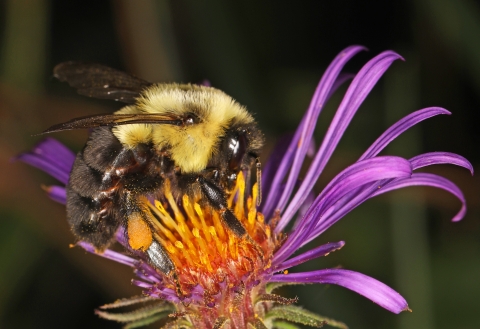
Common eastern bumble bee (Bombus impatiens)
As its name suggests, the common eastern bumble bee is a common bumble bee across much of the eastern United States. These bees help pollinate wildflowers, tomatoes, blueberries and peppers. This time of year, queens are founding colonies, often in underground burrows.
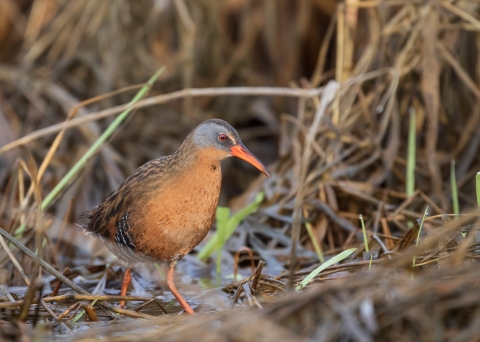
Virginia rail (Rallus limicola)
The Virginia rail is a secretive wetland bird known for its chicken-like shape, long bill and agility as it moves through dense vegetation. This time of year, it's breeding season, and these rails are building hidden nests among cattails. Both parents incubate eggs and care for chicks.
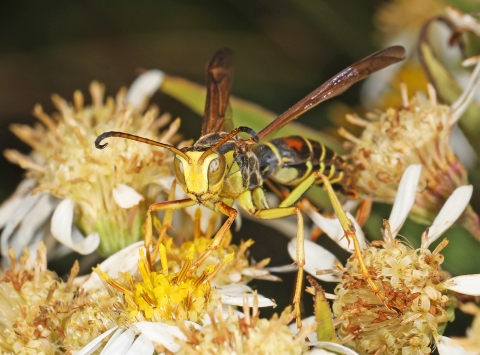
Northern paper wasp (Polistes fuscatus)
The northern paper wasp is a slender, reddish-brown wasp with yellow markings found east of the Rocky Mountains. These social insects are excellent hunters that help keep ecosystems in balance. This time of year, queens are expanding their paper nests which are often built under eaves or other sheltered areas.
Sagebrush lizard (Sceloporus graciosus)
The sagebrush sagebrush
The western United States’ sagebrush country encompasses over 175 million acres of public and private lands. The sagebrush landscape provides many benefits to our rural economies and communities, and it serves as crucial habitat for a diversity of wildlife, including the iconic greater sage-grouse and over 350 other species.
Learn more about sagebrush lizard is a small, quick reptile found in dry, open areas of the west, especially sagebrush scrub, woodlands and rocky outcrops. This time of year, they're basking on rocks and feeding on insects. Males are flashing their bright blue belly patches to attract females.

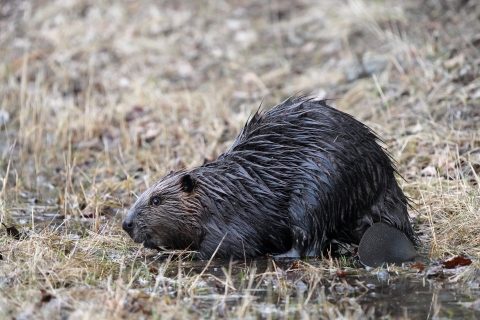
North American beaver (Castor canadensis)
The North American beaver is an impressive engineer of its environment, known for building dams, lodges and transforming landscapes into thriving wetlands. Beavers help create habitats that benefit countless other species, including frogs, fish, birds and insects. This time of year, beavers are busy raising young.