Mornings, when the prairies and ponds are still dew-frosted, one of the most enduring and effective partnerships in the outdoors goes to work. A hunter and their dog move together with purpose, guided by scent, sight, instinct, and a bond built over seasons.
The North American Versatile Hunting Dog Association currently recognizes 35 different breeds of versatile hunting dogs that have been bred and trained to dependably point game, to retrieve, and to track. Gun dog breeds have unique adaptations for hunting like the Chesapeake Bay Retriever’s waterproof coat that makes them suited for retrieving waterfowl from wetlands or the German Wirehaired Pointer’s thick coat that protects them against thorny underbrush when tracking game.
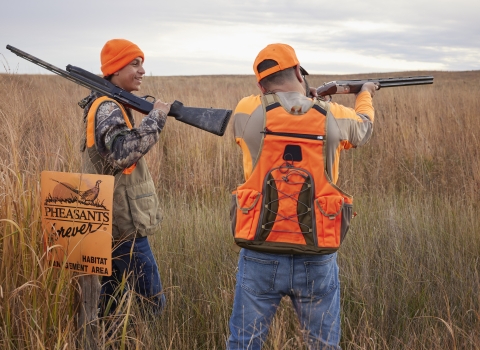
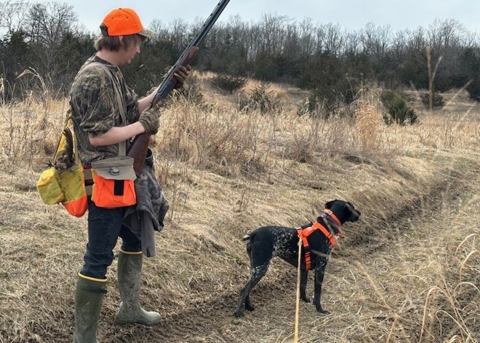
I’ll be the first to say I’m still finding my footing in the uplands. But on my last pheasant hunt at Peaceable Hill Game Farm and Preserve, I got a close look at what makes hunting behind a good dog so compelling. I was invited along with a colleague, his family, and their dog, Emma. Emma, a 4-year-old German Shorthaired Pointer, embodied the hallmarks her breed is known for. She moved with purpose, sweeping the field with an endurance that showed she could have kept going long after the rest of us were ready to pack it in.
When the morning ended, we retreated to Peaceable Hill’s lodge to thaw out and swap stories. Glenn Symon, the late owner of the preserve, joined us. For Symon, part of the excitement of upland bird hunting was watching how a dog works, in the subtle communication between handler and dog, and in witnessing the drive that carries a dog through the day’s mission. To him, seeing a pointing dog hold tightly on a bird while looking over to its human with a knowing “little wink or smile” was as much a part of a successful harvest as it was about a bond that lasts well past the season close.
Beyond companionship and effectiveness in the field, hunters with hunting dogs also represent a real and measurable economic force. According to the most recent National Survey on Fishing, Hunting, and Wildlife-Associated Recreation, approximately 1.2 million hunters reported dog-related expenditures tied to hunting, tracking, and aiding in game recovery. While this group represents only eight percent of the nation’s resident hunters, their collective impact is substantial. Together, their expenditures generated an estimated $11.8 billion in contributions to U.S. gross domestic product.
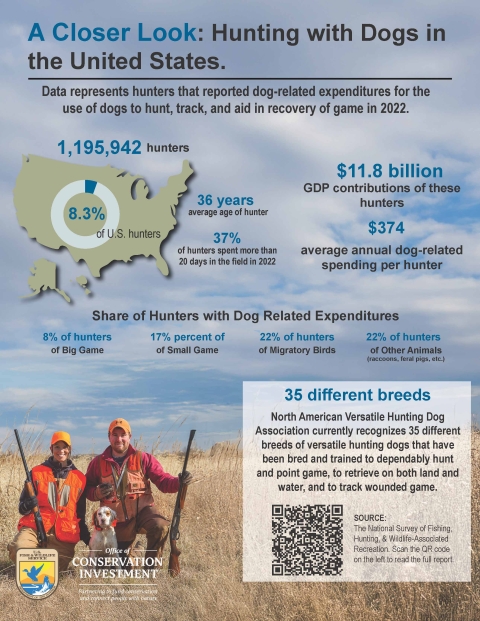
On average, each of these hunters spent about $374 annually on dogs and related goods and services. Those dollars extend far beyond basic pet supplies. Specialized training, often spanning months or years, supports professional trainers, kennels, and dedicated training facilities. Field gear designed for durability like protective vests, boots, and GPS tracking collars fuel manufacturing. Veterinary care is another essential component with clinics and specialists keeping canine partners healthy and field-ready with the care needed for working dogs.
Travel is also a significant portion of overall spending. Hunters frequently journey to other states or regions to pursue game, bringing their dogs along. These trips support lodging, fuel, dining, guide services, and local retailers, particularly in rural areas where hunting seasons provide a critical seasonal boost to local economies. The economic ripple effect of hunting also extends into conservation. License fees and federal excise taxes on firearms, ammunition, and select archery equipment help fund wildlife management, habitat restoration, and public land access through the Pittman-Robertson Act.
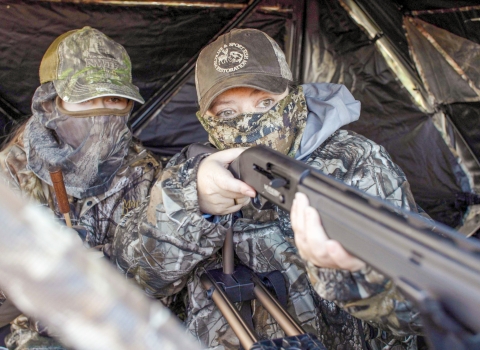
Hunting dogs can enhance the outdoor experience, sustain participation in outdoor pursuits, and help ensure that traditions rooted in stewardship continue. The thousands of hunting dogs, the millions spent annually, and the shared bond between hunters and canines show that dogs can be an integral part of hunting. These relationships, built over years of flushing birds from cover or waiting motionless in blind, drive success in the field, boost economies, and preserve a heritage built on companionship.