Hollingsworth Art Gallery
Each month the Hollingsworth Art Gallery exhibits wildlife-themed art by local and by nationally-known artists.
October 2026
Artist of the Month - Wade Stephen
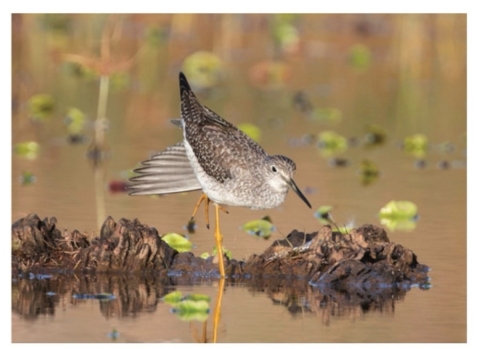
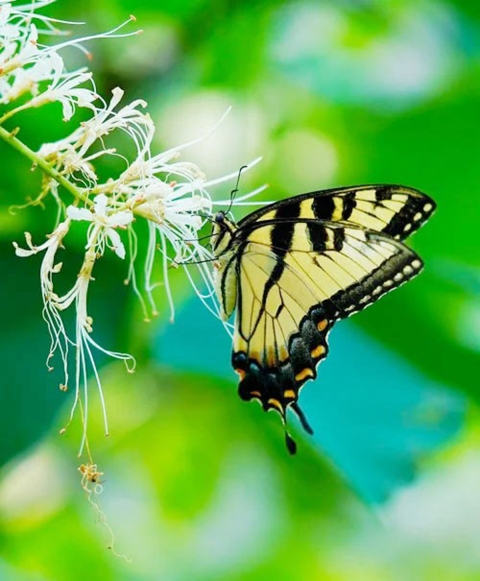
This will be the second time Wade Stephen will be exhibiting his bird photography at the Hollingsworth Gallery. Wade’s interest in photography started when he was a child. He purchased darkroom equipment from money earned by cutting grass. By the time he was in his twenties his subject matter moved to bird photography. He also upgraded his darkroom to do color printing.
It used to be rare for him to see another bird photographer in the field but now it is common in the digital era. He enjoys meeting other photographers but when they ask to see his work he can’t point to social media as he does not post pictures on the internet. Some of his work will be shown at the Hollingsworth Gallery. One of the panels will be dedicated to rare and uncommon birds.
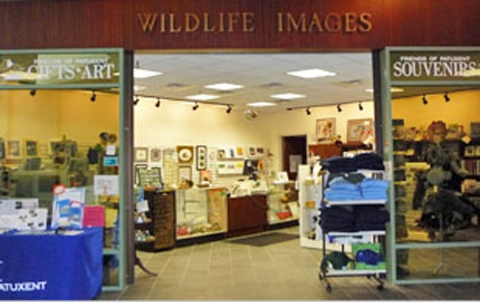
Some of Wade’s beautiful photographs can also be enjoyed in our brand-new 2027 Exploring Patuxent Research Refuge Calendar, available for purchase (as of 9/26/2026) from our Wildlife Images Bookstore & Nature Shops. One shop is inside the National Wildlife Visitor Center (shop, open 10 AM to 3:30 PM, Wednesday through Saturday). Access our other shop online at: https://friendsofpatuxent.org/shop.
November 2026
Artists of the Month - Southern Comforters
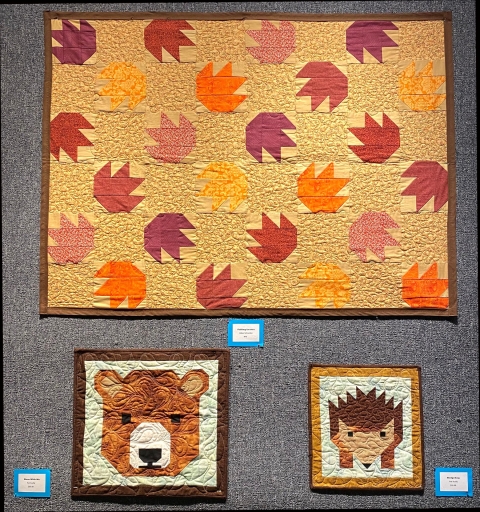
Southern Comforters Quilt Guild of Bowie, Maryland will exhibit nature and wildlife themed quilts in November. The display will feature traditional, art quilts and modern quilts made by members of the guild. Just as in our guild, all levels of quilters are represented and encouraged to show their work.
Southern Comforters formed in 1982 with a purpose to promote appreciation of the rich heritage of quilting and to present educational and social activities for quilt makers. Meetings are held twice a month on the second and fourth Wednesday evenings. The first meeting of each month is in-person at Community Presbyterian Church in Bowie, MD. The second meeting each month takes place on Zoom and gathers quilters from near and far to share their love of quilting. Regular activities of the guild include working together on quilts to donate to local charities, an annual Quilt Bingo, an annual challenge and block of the month. New members are always welcome.
See samples of the quilters work at https://socobowiequilters.org/gallery/
December 2026
Artists of the Month - Steven A. Harvey
Steven A. Harvey has photographed polar bears on the shores of Hudson Bay, baboons at Victoria Falls in Zambia and Zimbabwe, white-breasted kingfishers in Sigiriya, Sri Lanka, and bald eagles at Conowingo Dam right here in Maryland.
In addition to wildlife, his photographic interests include candid portraits, landscapes, cultural events, and macro- and travel photography. He has travelled to the far-flung corners of the world, capturing images of nature, landmarks, and people. When closer to home, his favorite photographic subjects include Shenandoah National Park, Kenilworth Aquatic Gardens, and Brookside Gardens near his home in Silver Spring, Maryland.
His day job is Associate Professor of International Health at the Johns Hopkins Bloomberg School of Public Health where he teaches qualitative methods and leads research on malaria and dengue prevention, indoor air pollution, and other global health topics.
Back to Top