Alicia Protus
Fish & Wildlife Biologist, Transportation Liaison
Endangered Species
Expertise
transportation,
bats in bridges/culverts,
swamp pink,
American chaffseed
Area
NJ
Galloway,NJ
Official websites use .gov
A .gov website belongs to an official government organization in the United States.
Secure .gov websites use HTTPS
A lock ( ) or https:// means you’ve safely connected to the .gov website. Share sensitive information only on official, secure websites.
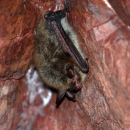
Human-made buildings/structures offer thousands of potential artificial bat roosts per state, supporting an inestimable number of bats. Construction, maintenance, and demolition activities at these structures may destroy roost features or disturb the bats, especially during sensitive times of the year. Surveying structures for bat occupancy ahead of time allows the appropriate avoidance and minimization measures to be incorporated into the project, reducing on-site conflicts while conserving bats.