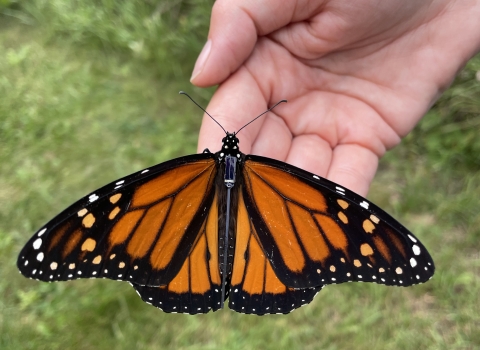
Wandering through the fields and forests, your senses are heightened. You search for the most nutritious plants to satisfy your hunger. With each step, you feel the texture of the earth beneath your hooves, and the scent of fresh greenery fills your lungs. The U.S. Fish and Wildlife Service contributes to continuing this harmonious interaction of nature.
With every delicate landing, another animal brushes against vibrant petals, collecting pollen. This precious cargo is transported to the next bloom, ensuring the continuation of your life and others.
This particular interaction is white-tailed deer and bees, butterflies and other pollinators moving with precision to make their plant selections, ensuing their survival through a sustainable diet.
Are you looking to attract more deer to your hunting grounds while also supporting vital pollinator populations? Learn how strategic planting of broadleaf forbs can enhance your hunting success and contribute to a thriving ecosystem. Discover the key plants that not only nourish deer but also sustain pollinators throughout the year.
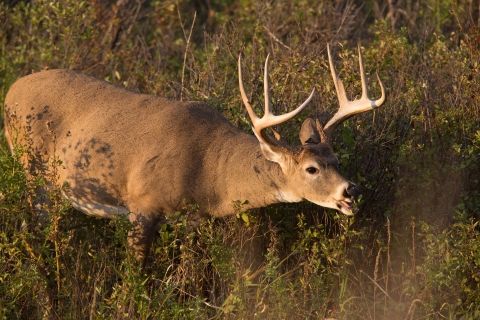
Call of the wild
The interaction between white-tailed deer and pollinators is a fascinating and beneficial one. Both groups depend on a variety of plants, and their activities help sustain the delicate balance of the natural world and the ecosystem services essential for our well-being and economic prosperity. The services provided by this balance include the enhancement of the variety of living things, soil health improvement and water quality enhancement. Pollinators, for instance, enable the reproduction of flowering plants, which in turn support herbivores like deer. This mutualistic relationship bolsters the entire ecosystem, promoting resilience and adaptability.
Hunters and pollinator enthusiasts can harmonize their efforts by understanding this intricate partnership and creating spaces for them to thrive. Together, we each play a part in this relationship.
The role of the deer
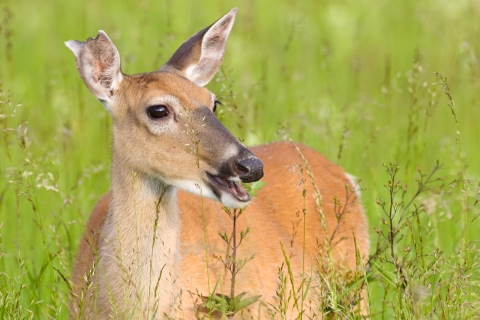
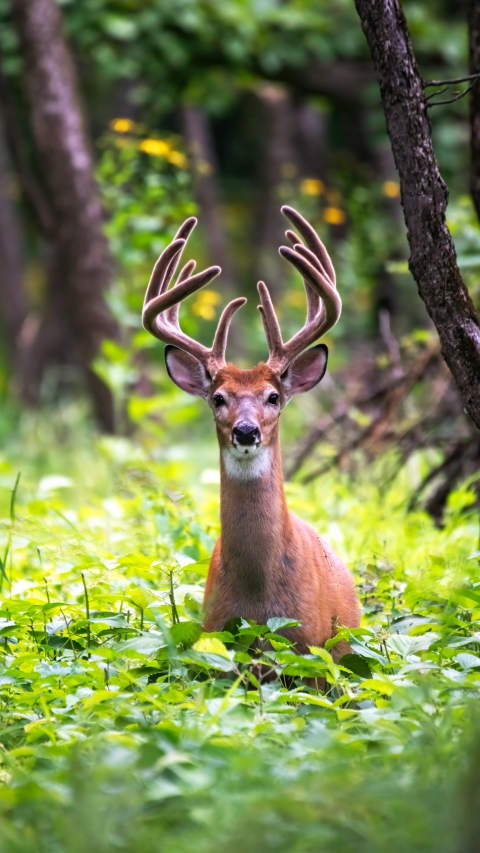
White-tailed deer are often observed grazing in fields and forests. Did you know that they selectively eat by browsing on leaves and nibbling on fruit. Not only does this create small pockets of young, nutrient-dense growth to sprout, it also increases flowering plants for pollinators.
Deer also play an unexpected role in pollination too. As they move through their home range, pollen can attach to their fur, feet and noses, and be transported to other plants. This inadvertent pollination process may contribute to the reproductive success of many plant species.
The role of pollinators
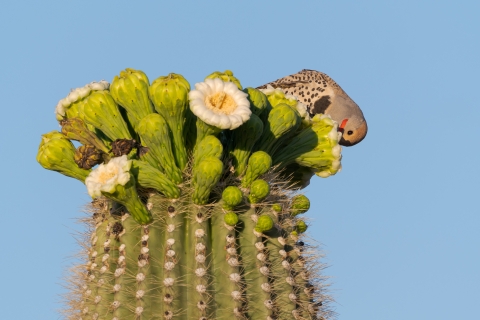
Pollinators live almost every place on earth. Serving as a bridge to connect male and female components of plants, they provide the necessary resources for plant reproduction. Pollinators provide their services to 80% of plants species and more than 1,200 crops in the United States. By ensuring cross-pollination, pollinators also sustain deer and other wildlife that depend on a variety of plants for nutrition. The more pollinators present, the more plants available, and the healthier the herd.
Nourish their rhythm
Just like you, deer and pollinators vary their diet with the seasons, availability and other factors. A balanced diet is crucial for their health. To understand the shared plant resources between deer and pollinators, it is important to delve into the dietary preferences of both.
According to Dr. Mark Turner, wildlife specialist with Oklahoma State University, deer are considered concentrate selectors, meaning they choose specific plant species and plant parts that offer high nutritional value. Unlike larger ruminants such as elk, deer require higher-quality forage because of their smaller stomachs, which limits the volume of food they can consume. Their diet is a careful balance, constantly avoiding secondary compounds like sulfur and optimizing their intake based on taste and post-digestive feedback.
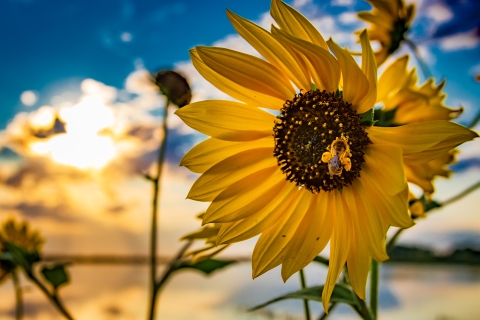
Pollinators move from flower to flower, like skilled hikers, navigating a diverse landscape, collecting the life-giving pollen and nectar that sustains their journey. Pollen is packed full of nutrients- protein, fats, micronutrients and vitamins. Nectar is sugar-based for energy. Not all pollen and nectar sources are the same, and they can vary greatly with plants in the same family. Ryan Drum, biologist with our agency’s Center for Pollinator Conservation, states that carbohydrates and protein from flowering plants are needed for pollinators to thrive and produce offspring. For these reasons, pollinators require plants that bloom at different times, from early spring through late fall.
Plant preferences definitely vary. These adventurers of air rely on the seasonal availability of blooms. A generalist pollinator, such as a mason bee, has one of the widest varied diets amongst pollinators. They are known to pollinate up to 2,000 flowers a day. Some plants they visit include apple tree blossoms, blueberries, legumes, sunflowers and coneflowers. This mixed diet supports both the growth of developing offspring and their own energy needs. Meanwhile, the squash bee moves with precision, selecting only pollen from plants in the squash family. In many instances, these specializations can be mutually beneficial for the pollinator and the host plant by improved pollination for the plant and an increase in the abundance of host plants for the bee.
Bigger deer and healthier pollinators
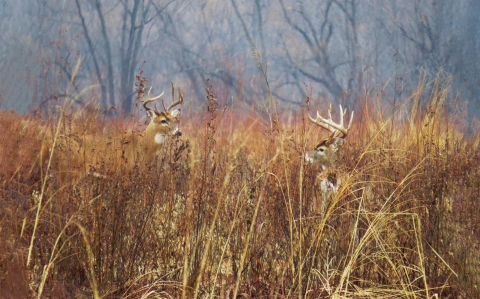
During a deer’s growing season, they have increased nutritional needs for bucks to grow antlers and does to produce milk for their fawns. A study conducted by the University of Tennessee and Dr. Turner collected more than 130 plant samples from 25 states to analyze deer nutrition for assisting with management strategies. The study concluded that broadleaf forbs consistently provide the greatest nutrition to deer during the growing season and focused conservation efforts on providing a variety of these plants is likely the most practical management approach. Broadleaf forbs are plants characterized by their broad leaves and non-woody stems. Common examples are milkweed, sunflowers, clover.
Because these plants have high crude protein content, deer prefer these plants. Grasses, to the contrary, are generally not a preferred food source for deer. While they will consume wheat, cereal rye and oats, the nutritional content of most grasses is low compared to other food sources.
Broadleaf forbs are also the primary source of nectar and pollen, sustaining pollinator populations. The availability of these resources in turn is crucial to agricultural food security through pollination. Beyond pollination, broadleaf forbs offer food sources for various wildlife, such as game birds, songbirds and other insects.
Native broadleaf forbs are well adapted to your local climate conditions, with deep root systems that tolerate different soil types, high or low temperatures and precipitation fluctuations. This resilience ensures consistent habitat value even during dry summers when other plantings may struggle.
Your observation and monitoring will help you to determine the plants preferred by deer and pollinators in your area, and under your seasonal and climatic conditions throughout the year. Recording the types of plants eaten by deer and visited by pollinators in your area is the best way to create a reliable preference list. Recognizing available food, weather conditions, seasons, and deer habits will help you plan your deer and pollinator management activities.
Once established, pollinator habitat requires very little maintenance in the growing season. They typically need no fertilizer, little to no mowing, and can be managed with occasional disturbance like disking or prescribed fire. Minimal disturbance during spring and early summer also helps protect ground nesting birds.
Also, having cover will help wildlife feel secure, and more likely to step into your hunting spot or other opening and grab a snack before bedding back down. That cover also encourages them to move to and from that area, allowing you strategically select stand or observation sites.
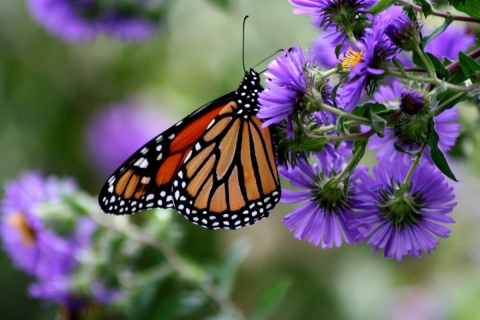
Having broadleaf plantings that are critical food sources, abundant nutrition and protective cover during the periods when deer and pollinators need them most is important. These broadleaf forbs are a few of our top choices to attract them:
- Asters
- Beggars ticks
- Ragweed
- Sunflowers
- Partridge Pea
- Pokeweed
For deer, diet selection changes in response to seasonal changes, such as winter when options are limited in forage abundance, quality and metabolic needs of the animal. They will eat leafy parts of woody plants, agricultural crops, fruit, seeds, grass and mushrooms or lichens. The nutritional content may be relatively low compared to broadleaf plants; however, something is better than nothing.
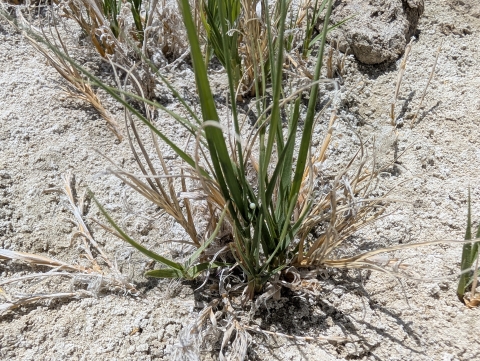
Native grasses are important for certain pollinators, like skippers. These miniature butterflies have more than 200 species in the United States and typically choose native grasses as their host plants for raising their young and pupate overwinter using silken strands and leaves as their chrysalis. So, don’t skip having a few varieties on your property.
Woody plants can play a crucial role for both deer and pollinators. During winter, they become more important as forbs are less available. Deer are known to eat fruit, seeds, buds and bark from deciduous trees, as well as shrubs that help maintain energy levels during winter. For many pollinators to survive this season, leaf litter is a top requirement. They hide safely in the layers of leaves on the ground. Others survive above ground by taking up residency in hollow stems or in holes created by wood-boring insects. Consider leaving a few undisturbed areas to shelter butterflies, moths and bees during winter months. Key woody plant examples to have on your property include:
- Apple trees
- Blackberry
- Black gum
- Huckleberry
- Maples
- Persimmon
Shared connections
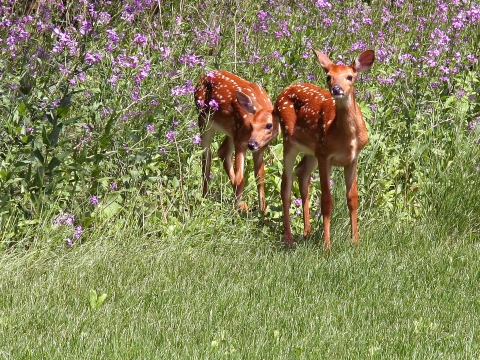
The interaction between white-tailed deer and pollinators with the plants they depend upon is a testament to the interconnectedness of ecosystems. By recognizing and supporting the shared plant resources that benefit both groups, you can enhance conservation efforts and promote biodiversity. By offering a wide variety of plants, you are creating a higher quality diet and increasing your chances of witnessing wildlife throughout the year.