The Peninsular Florida Fish and Wildlife Conservation Office (FWCO) recently partnered with staff at Lake Woodruff and Banks Lake National Wildlife Refuges to conduct comprehensive site assessments of aquatic invasive vegetation. This collaboration is the first step in addressing the expansion of non-native aquatic plant species that threaten to alter the ecological integrity and recreational value of waterbodies in these wonderful Refuges.
Lake Woodruff National Wildlife Refuge
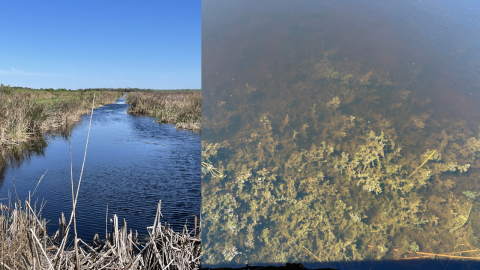
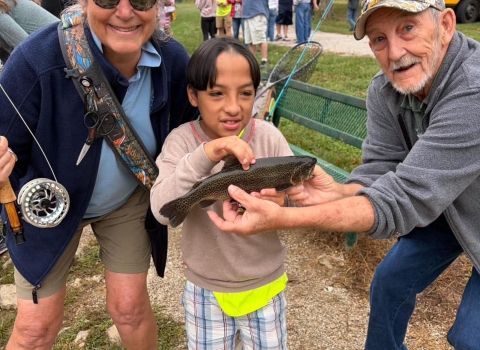
At Lake Woodruff, FWCO and Refuge staff identified significant infestations of Eurasian watermilfoil (Myriophyllum spicatum), Cuban bulrush (Cyperus blepharoleptos), and water hyacinth (Eichhornia crassipes) within a key managed impoundment. This waterbody is a vital resource for the local community, supporting year-round recreational fishing and serving as the venue for the Refuge’s annual “Learn to Fish” event happening this June.
The presence of these invasive species invasive species
An invasive species is any plant or animal that has spread or been introduced into a new area where they are, or could, cause harm to the environment, economy, or human, animal, or plant health. Their unwelcome presence can destroy ecosystems and cost millions of dollars.
Learn more about invasive species creates dense submerged mats that can lead to:
- Physical Obstruction: Restricting shore-based angling opportunities.
- Degraded Water Quality: Reducing dissolved oxygen levels and altering nutrient cycling.
- Habitat Displacement: Outcompeting the native aquatic plant life that provides essential foraging and spawning grounds for local fish populations and the migratory waterfowl the Refuge works to protect.
Timely management actions are being prioritized to ensure the impoundment remains accessible and productive for the upcoming youth fishing programs.
Banks Lake National Wildlife Refuge

Assessments at Banks Lake NWR revealed a similar trend, where invasive water hyacinth and various non-native grasses are actively displacing native aquatic vegetation like coontail (Ceratophyllum demersum). Coontail is a foundational species in these systems, providing complex underwater structure used by macroinvertebrates and juvenile fish.
The shift toward a monoculture of invasive floating vegetation risks:
- Altering Habitat Structure: Floating aquatic invasive plants outcompete and remove the nursery environments created by native submerged plants.
- Impacted Fish Populations: Disrupting the balance of the local fishery, which impacts both the ecosystem and the recreational anglers who frequent the refuge.
Future Direction
By merging the FWCO’s technical expertise in invasive species control with the site-specific knowledge of Refuge managers, the programs are working together on plans to manage these aquatic invasive threats. Management plans will focus on sustainable, long-term control methods designed to suppress invasive growth, encourage the recovery of native plant communities, and maintain high-quality aquatic habitats for both wildlife and public recreation.