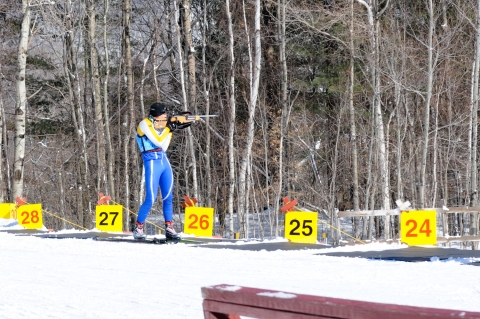
This February, millions of viewers are tuning into the Winter Olympics. On their screens biathletes glide across snow and into shooting lanes. In seconds, the biathletes still their skis, shoulder their rifles, and aim at the five small steel targets that stand between triumph or a penalty.
For many Americans watching, this biathlon can feel a world away. A snow-packed European venue. Pricey carbon-fiber skis. Precision rifles built for elite competition. Yet the discipline, marksmanship, and participation in shooting sports are anything but foreign. They are deeply rooted here at home, strengthened by a uniquely American commitment to conservation and outdoor pursuits through the Pittman-Robertson Act.
Passed in 1937, the Pittman-Robertson Act directs a federal excise tax on firearms, ammunition, and select archery equipment into conservation and outdoor access. These dollars are invested in wildlife conservation, habitat restoration, hunter and trapper education, and access to safe target shooting opportunities. It is a model built on a successful industry-state-federal partnership.
Across the country, state fish and wildlife agencies use Pittman-Robertson funds to deliver hunter and trapper education courses that reach hundreds of thousands of new participants each year. Through course work students learn hunting ethics, the importance of wildlife management, and the fundamentals of firearm safety. These courses build a lifelong foundation of safe handling, proper firearm storage, and an understanding of the responsibility that comes with participating in hunting, trapping, and shooting sports.
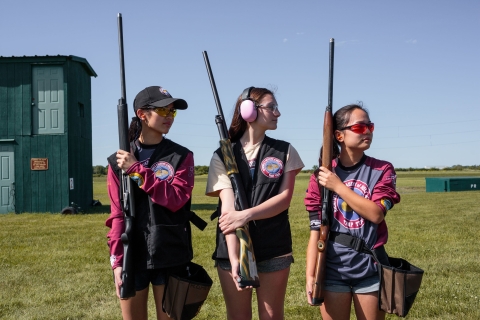
The same funds support youth shooting sport programs in schools and 4-H shooting sports. In structured, supervised environments, young athletes learn the breathing techniques, focus, trigger control, and mental discipline required for marksmanship. Watch a biathlete settle onto the shooting mat. Years of training compress into a single trigger squeeze. That calm did not appear overnight. It was built through repetition, coaching, and adherence to the same fundamentals taught every day in youth shooting sport programs across America.
Pittman-Robertson dollars also help construct, maintain, and improve target shooting ranges, giving communities safe, well-designed places to target shoot. Proper berms, clear firing lines, and trained personnel create spaces where a beginner can get their first lesson and where experienced shooters can refine their craft. Whether a beginner or pro, practice and access are vital.
When the Olympic biathlon captures the world’s attention, it offers a vivid example of what structured training and access can produce. Biathletes spend years mastering not only cross-country skiing, but also the art of accurately shooting under pressure. Those same principles are echoed in the hunter education classes, youth shooting leagues, and target shooting ranges supported by Pittman-Robertson dollars. The pipeline from a beginner’s safety course to elite marksmanship are built on the foundations of education, access, and practice.
For families inspired by what they see on the Olympic stage, the starting point for shooting sports is probably close to home. State fish and wildlife agencies, local clubs, and community target shooting ranges offer introductory clinics, youth leagues, and hunter education courses tailored for newcomers. The snow-covered stadium may be thousands of miles away, but the path to participation in shooting sports begins just down the road. To find a range supported by Pittman-Robertson funds visit Ranges – Partner with a Payer and learn more about shooting sports from the National Shooting Sports FoundationShooting • NSSF.