Licenses & Permits
All hunters must carry valid state, federal and Refuge required hunting licenses, stamps, validations and permits with them in the field. Youth hunters ages 17 and under must be accompanied by a permitted adult.
Fees
An annual Refuge Recreation Pass is required for all hunting on the Tule Lake. Adults escorting youth for the pre-season youth hunt in September are not required to purchase a pass for this special hunt.
Hunters may obtain this pass on-line at www.klamathrefuges.recaccess.com or in person at the Refuge Visitor Center during regular operating hours.
Annual Adult Recreation Passes are $25.00, Seniors and full time students are $12.50 (a vendor service fee may apply). Youth hunters 15 years & under do not require a pass.
All fees collected are used to improve the Klamath Basin NWRC hunt program.
Huntable Species
Only geese, ducks (including mergansers), coots, moorhens, snipe, pheasants, and quail may be hunted on the Refuges. All other wildlife species are protected.
Refuge Hours
Daily hours of operation for our refuges is sunrise to sunset, hunting season entry hours are 4:30am. Hunter line up may not begin until midnight except for opening weekend when lineup may begin at 6pm. Camping and overnight parking are not permitted on the refuges. However, several campground/trailer parks are located nearby in Tulelake California and Merrill Oregon.
Shooting Hours
Hunting is permitted seven days per week during the state-regulated general waterfowl and pheasant seasons. The refuges are not open for early, late, or other special hunting seasons, except that Upper Klamath National Wildlife Refuge is open for Oregon’s September goose season. Beginning shooting times follow applicable state shooting-time schedules. There are no afternoon hunting opportunities at Tule Lake or Lower Klamath National Wildlife Refuges. All waterfowl hunting ends at 1:00 p.m. daily, and all pheasant and quail hunting ends at 2:30 p.m. daily. Afternoon hunting remains available at Upper Klamath National Wildlife Refuge, consistent with applicable refuge and state regulations. On Tule Lake National Wildlife Refuge and on both the California and Oregon portions of Lower Klamath National Wildlife Refuge, quail hunting runs concurrently with the applicable state pheasant season.
Boats and OHVs
Boats may be used for hunting on all areas open to waterfowl hunting. Air-thrust and inboard water-thrust (jet) boats are prohibited. Unit 6B-1 on Lower Klamath Refuge is motor-less, or electric motors only through November 30. Starting December 1st, unit 6B-1 will be open to motorboat use. Boat launching is not permitted after 1:00 PM. State lighting requirements are enforced by refuge officers.
For your safety, anyone using layout style boats, kayaks or other non-motorized boats is strongly encouraged to wear reflective clothing and use head lamps or other types of lighting while moving through hunt units in order to be seen by motorized boaters.
OHVs including Argos are permitted inside agricultural and upland fields only. OHVs and Argos are not allowed in marsh units; OHVs and Argos are not allowed on roads or dikes. A marsh unit is defined as a unit with permanent or seasonal wetland vegetation, typically this vegetation consists of green and red natural looking plants sometimes with cattail and bulrush present. These units may or may not be flooded. If you are unsure about a particular unit please contact the main office for clarification.
Hunt Parties
A hunt party may consist of up to four hunters and one motorized boat. A party hunting from kayaks or similar non-motorized vessels may consist of up to four hunters using up to four separate non-motorized vessels. A vessel that is designed or intended to be operated with a motor does not qualify as a non-motorized vessel, even if the motor is not attached or in use.
Retrieving Zones
Retrieval zones are No Hunting zones. Possession of loaded firearms in retrieving zones is prohibited, unloaded firearms may be taken through the zones when necessary to reach hunting areas. Decoys may not be set in retrieving zones. Restrictions apply to both waterfowl and pheasant hunting.
Access Routes
It is illegal to shoot from or across any access route or parking area. Motor vehicles are allowed only on designated access routes. It is illegal for hunters to carry loaded firearms on hunter access routes open to motor vehicles. Some roads may be closed during parts of the season due to weather and/or bad road conditions. Waterfowl hunters may drive into fields on Tule Lake and Lower Klamath National Wildlife Refuges only to set out or retrieve decoys and hunting equipment. Hunters must park in designated parking areas, unless otherwise posted. The Oregon Straits are an exception to this parking requirement where specifically authorized. Hunters may NOT drive into unharvested crop fields containing grain, peas, or other seed crops. Because habitat, soil, and weather conditions vary, driving off designated access routes is at your own risk. The Refuge is not responsible for damage to vehicles or equipment.
Vehicles are NOT permitted on dikes unless the dike is specifically designated as a hunter access road.
Personal Property
All decoys, boats, and other personal property must be removed from the hunt areas by 2:30 PM and from the refuges at the close of each day. Hunters are responsible for removing all trash including shot shell hulls when leaving hunting areas. If you have lost items in the field please contact our Visitor Center, most items found in the field are turned in to us.
For all emergencies please dial 911
To Report Violations
Call 1-888-334-CALTIP (888-334-2258)The toll free telephone number operates 24 hours a day, 7 days a week. You do not have to give your name.
Weapons and Ammunition
No person may possess any weapon or ammunition in the field that may not be legally used for taking waterfowl or pheasants on these refuges. Nontoxic shot must be used to harvest ALL hunted species including ducks, geese, coots, moorhens, snipe, and pheasant on the Klamath Basin Refuges. Our refuges do not have a 25-shell limit for hunters in the field.
Hunter-made Blinds
Only portable blinds and temporary blinds built of natural vegetation are permitted. Digging or pit blind construction in fields is not allowed.
Guides
Only guides who have been permitted by the Refuge Manager are allowed to provide commercial guiding services on the Klamath Basin Refuges. Visit our Commercial Hunt Guides page to view a list of permitted guiding services.
Mobility Impaired Hunters
To qualify for a mobility-impaired hunting blind, hunters must be registered for one of the following: a state DMV-issued disabled person license plate or disabled veteran license plate, a permanent parking placard identification card, or a mobility-impaired motor vehicle hunting license. Hunters must provide proof of eligibility at the Refuge Visitor Center, either when making the reservation or when picking up the blind permit.
The Refuge Complex currently offers one field blind at Tule Lake National Wildlife Refuge and one wetland blind at Lower Klamath National Wildlife Refuge. These blinds are available by reservation only and may be reserved for no more than two consecutive days at a time. On the second day of a reservation, the reservation may be extended for up to two additional days, provided the blind remains available. Hunters with reservations must check in the day before the hunt to receive their blind permit. Reservations and additional information may be obtained by calling the Refuge Visitor Center at (530) 667-2231.
Additional mobility-impaired hunting opportunities in the region are available at Modoc National Wildlife Refuge in Alturas, California; Miller Island Wildlife Area near Klamath Falls, Oregon; and Shasta Valley Wildlife Area near Yreka, California.
Habitat and Conditions
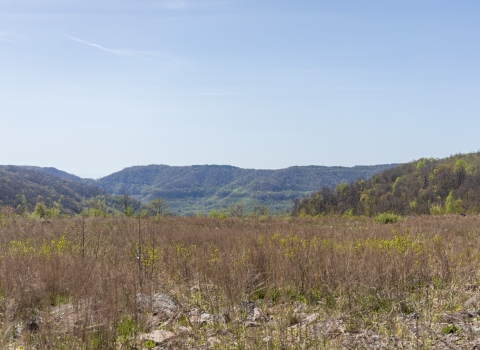
Our Refuges cover a variety of habitats which include rough, uneven terrain, deep waters, dense stands of bulrushes (tules), stubble fields, ditches, and others. Rainfall and winter weather conditions can make road and field conditions muddy and slippery or frozen, making them more difficult to negotiate. Hunting difficulty varies by area and hunters should consider their own abilities and limitations before using the refuges.
The legal speed limit on refuge property is a maximum of 35 MPH, unless otherwise posted.