Written By

As part of the Flags Across America initiative for America’s 250th anniversary, the U.S. Fish and Wildlife Service is sharing stories from the places where our commemorative flags have traveled. From historic hatcheries to vibrant refuges, each stop celebrates conservation as an enduring American value. Join us as we highlight the lands, waters, and wildlife that connect our nation’s past, present, and future.

If you know the California locations of some of the world’s leading technology companies, then you will know the cities surrounding Don Edwards San Francisco Bay National Wildlife Refuge. But you might be surprised to learn that in the middle of these high-tech centers sits the 30,000-acre wildlife refuge, where the flags journeyed in November 2025.
This tucked-in gem offers a unique place for people to escape the high-tech world and connect with nature. At Don Edwards San Francisco Bay National Wildlife Refuge, you can connect through a variety of outdoor opportunities:
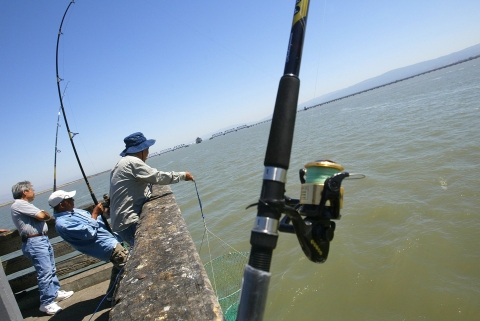
- Fishing is a draw with the refuge’s location on San Francisco Bay. Year-round, you can cast a line for striped bass, sculpin, shark, croaker, halibut, sturgeon, among others. You don’t even need a fishing license at the refuge’s Dumbarton Fishing Pier.
- Waterfowl hunters can find more than 10,000 acres of tidal areas and salt ponds to ply their craft. Hunting not only is enjoyable and teaches you about nature but also can provide tasty food for the family dinner table.
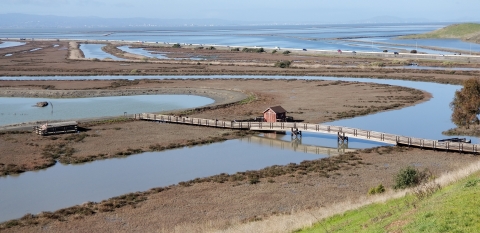
- You can enjoy the wetlands and wildlife with a walk on any of the over 30 miles of trails for a stroll, or an exercise challenge, like the Newark Slough or Tidelands trails above. In February 2026, the refuge celebrated its newest trail of 1.2 miles along an area where we will be restoring tidal marsh. In fact, the refuge is working with partners to restore 15,000 acres in South San Francisco Bay, the largest tidal wetland restoration effort on the West Coast. Tidal marsh once ringed the South Bay and cushioned the shore from storms and tides. But over the 20th century, much of the tidal marsh was lost. So far, about 25% of the project’s 15,000-acre total has been restored and the benefits for wildlife and people are already starting to show.
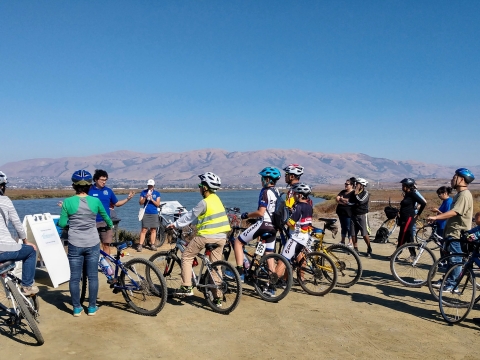
- You can also experience the refuge by biking some of the trails while taking in the view. Commuters use some of the bike trails to get a daily connection with nature. Please follow signs, not all trails allow bikes.

While on the trails, be sure to keep an eye out for wildlife. Depending on the season, you might see Ridgway’s rail, the California tiger salamander, or any number of species that call the refuge home. You also might see an Anna’s hummingbird, one of only three hummingbird species that live year-round in North America.
- There are even more activities available. Contact the refuge for more information.
So next time you’re scrolling through refuge neighbor Facebook, which built a footbridge that connects to a refuge trail, remember Don Edwards San Francisco Bay National Wildlife Refuge -- a wildlife oasis in the heart of California's high-tech industry.
Next up, we follow the flags to Bosque del Apache National Wildlife Refuge, which is famous for the tens of thousands of cranes, geese, and ducks who winter there each year. Stay tuned for the next chapter on this historic tour!
Written By