Down the Wormhole
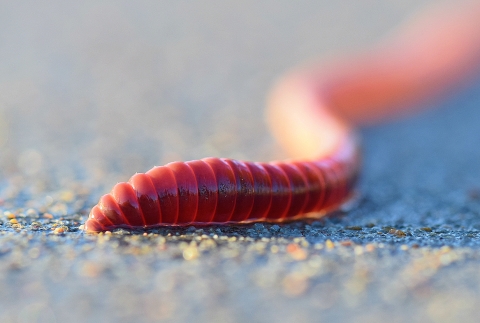
Most people have likely seen a worm before. Earthworms are commonly used as fishing bait, compost makers and garden helpers across the United States. Children are often taught growing up that worms are beneficial to the soil and help with growing plants. Knowing how important these little creatures are for the environment, lots of people care about protecting them. Some will even try to help worms back to the soil when they get stranded on concrete or asphalt after a rainstorm. Helping these worms often makes people feel like they’re making a difference, even if it’s a tiny one!

Here’s the problem: earthworms are not the beneficial creatures we were once told they were. In fact, earthworms have the same dreaded label as buckthorn, emerald ash borers and zebra mussels. Earthworms, at least in Minnesota, are invasive species invasive species
An invasive species is any plant or animal that has spread or been introduced into a new area where they are, or could, cause harm to the environment, economy, or human, animal, or plant health. Their unwelcome presence can destroy ecosystems and cost millions of dollars.
Learn more about invasive species . An invasive species is one that is not originally from an environment or place (they are not “native”), often brought to new places by humans, and they tend to create a lot of problems for the native plants and animals already living there.
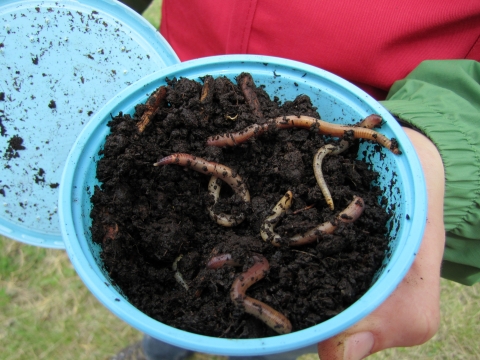
Minnesota has no known native earthworm species, although there is at least one native aquatic worm species. The state is currently home to around 15 different species of invasive earthworms. Some of the more common and widespread earthworms include nightcrawlers which are commonly used as fishing bait, red wigglers which are often used for composting and the recently introduced jumping worms which sometimes get mixed in with other worms or soil on accident.
A Worming Climate
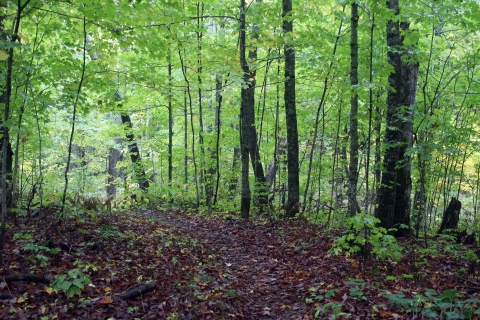
All of the earthworm species currently in Minnesota are from either Europe or Asia. While Minnesota might have had native earthworms at some point in history, none of them are still alive today. During the ice age, the area that is now Minnesota was covered in a sheet of ice for thousands of years and anything that couldn’t survive the cold, like worms, died out. This means that our forests have been growing without worms for thousands of years.
What happens when you don’t have worms in a forest? Well, worms are natural decomposers. This means they break down dead and decaying matter on the forest floor or in the soil. One of their main food sources is fallen leaves. In Minnesota, forests are supposed to let fallen leaves slowly decompose on the forest floor, creating a layer of organic material known as duff. This duff layer is necessary for most of our forest life to grow and thrive. It helps keep the soil wet, provides nutrients for plants and can provide protection for seeds, young plants and a variety of animals that call the forest home. Without it, we just get brown and barren forest floors.

Keep Your Worms on a String
Once earthworms are introduced to an area, there is currently no known way to get rid of them. The best thing we can do is prevent them from spreading further, and the worms aren’t exactly wiggling themselves across the county on their own. Earthworms are very slow and will move less than half a mile over 100 years, so most of their widespread range is due to human activity. Today, worms continue to hide away in soil and be transported as fishing bait all over the country.
Even though many places in Minnesota already have worms, it is still important to avoid introducing new species that would make the problem even worse. Here at Minnesota Valley National Wildlife Refuge, we’re doing our best to fight back against these slimy invaders just like the rest of the state. We manage over 15,000 acres of land with the goal of working with others to conserve, protect and enhance fish, wildlife, plants and their habitats for the continuing benefit of the American people. While we do our part to make sure those worms don’t continue to spread on the refuge, we ask that you help us and the forests by doing the same in your own parks and neighborhoods.
Some ways that you can help reduce the spread of worms include:
- Properly disposing or getting rid of unused fishing bait by throwing it away—it is illegal to knowingly release non-native species into the wild in Minnesota!
- Freezing compost for a full week before using it and avoiding worm composting if you live in a forested area
- Avoid transporting leaves, mulch, compost or soil, especially when you don’t know where it comes from
- Worm eggs and cocoons can be difficult to spot in soil, so when buying or receiving plants from anywhere besides a nursery or garden store that you know uses potting soil, it’s recommended to remove the plant from the soil and wash the roots before planting or repotting them
- Remembering to wash tires on ATVs or other vehicles that commonly get soil in their treads
- Sharing this information with others! Most people don’t know that earthworms are an invasive species in Minnesota—did you know that before reading this article?
For more information, resources and ways you can help, visit the Minnesota Department of Natural Resource’s webpage on earthworms and check out the University of Minnesota Duluth’s Great Lakes Worm Watch.