To celebrate America's 250th birthday, we at the U.S. Fish and Wildlife Service are highlighting the incredible wildlife that calls this beautiful country home. From American icons to subtle specialists, join us as we highlight seven species each week: one species for each of the 250 days leading up to America's 250th birthday.
Gray fox (Urocyon cinereoargenteus)
The gray fox is a small, agile fox known for its unique ability to climb trees while hunting or to escape predators. Found across much of North America, these shy, resourceful omnivores are busy raising young right now.

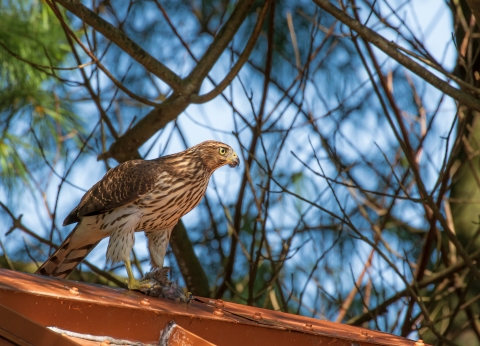
Cooper’s hawk (Astur cooperii)
Cooper's hawks can be found across much of North America, from southern Canada to southern Mexico. These sleek, medium-sized raptors are built for agility and speed - zipping through trees and even ambushing backyard bird feeders. This time of year, parents are focused on providing plenty of food to young.
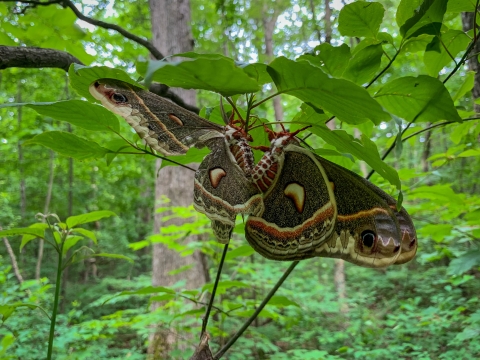
Cecropia moth (Hyalophora cecropia)
The cecropia moth is North America's largest native moth with a wingspan that can measure up to 7 inches across. They're mostly found east of the Rocky Mountains, where females lay eggs on a variety of host plants including cherry, maple and birch trees. Adults don't eat and only live about a week - their only focus is to reproduce.
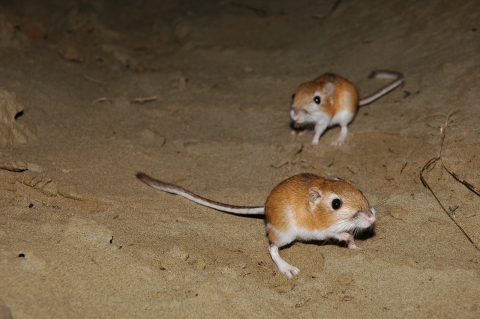
Ord's kangaroo rat (Dipodomys ordii)
Ord's kangaroo rats are native across much of the western United States, particularly in semiarid, open habitats. Known for their large hind legs, long tails and ability to hop like a kangaroo, these nocturnal rats rarely need to drink water and get most of the moisture they need from seeds.
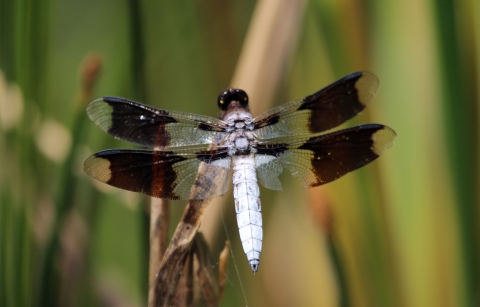
Common whitetail (Plathemis lydia)
The common whitetail is a widespread dragonfly found near waters across much of the United States. Males have chalky white abdomens and broad black wings. Females are patterned in brown and gold with subtle wing markings. Watch for these stocky dragonflies hunting mosquitoes, flies and other small insects midair while patrolling territories near water.
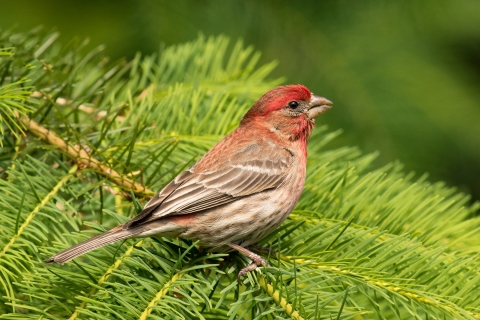
House finch (Haemorhous mexicanus)
House finches are widespread across the U.S. and a common sight at backyard bird feeders. Males have rosy, red heads and chests while females have a streaky brown appearance. Both sing pleasant, warbling songs. They stay busy in summer raising young, with some pairs raising multiple broods!
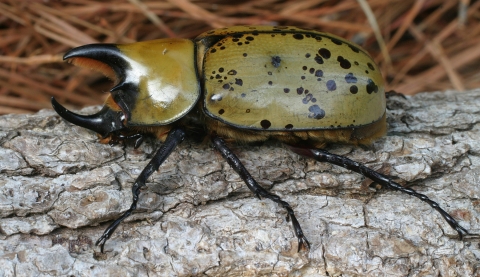
Eastern Hercules beetle (Dynastes tityus)
Eastern Hercules beetles can be found from Missouri to New Jersey, south to Florida and west to Texas. Males grow up to 2.5 inches long and have impressive horn-like pincers used for sparring with rivals. While they may look intimidating, they're harmless to people and play an important role in the ecosystem, breaking down rotting wood and recycling nutrients.