Written By



To celebrate America's 250th birthday, we at the U.S. Fish and Wildlife Service are highlighting the incredible wildlife that calls this beautiful country home. From American icons to subtle specialists, join us as we highlight seven species each week: one species for each of the 250 days leading up to America's 250th birthday.
Sea otter (Enhydra lutris)
Sea otters off the coast of California raise young year-round, teaching them how to groom themselves, swim and find food. If you see a sea otter, remember to keep your distance to avoid disruption.

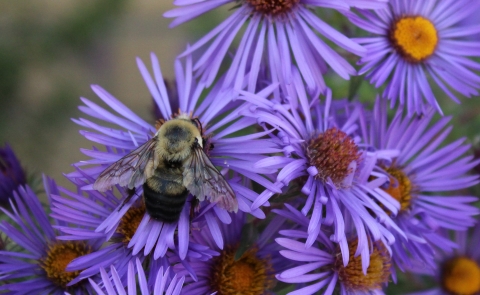
Brown-belted bumble bee (Bombus griseocollis)
Are you still seeing bee activity? The brown-belted bumble bee is widespread from coast to coast, absent only from parts of the southwest. Late blooming flowers like this aster are excellent late season food sources for a variety of pollinators.
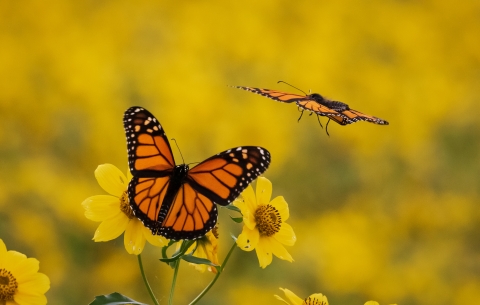
Monarch butterfly (Danaus plexippus)
The monarch butterfly is one of the most iconic insects in North America. In late summer and early fall you might catch a glimpse of them as they rest and fuel up on their 3,000-mile migration to high elevation forests of central Mexico.
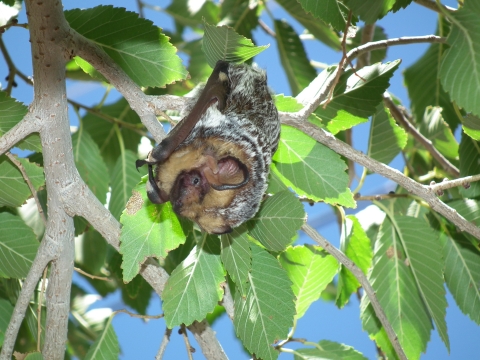
Hoary bat (Lasiurus cinereus)
CUTE BAT ALERT! Hoary bats are one of North America's most widespread and striking bats. Just look at that frosted fur. These bats make seasonal long-distance migrations, flying at night across vast landscapes.
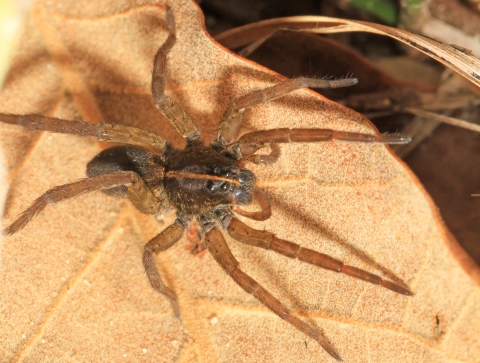
Tiger wolf spider (Tigrosa helluo)
Don't be scared, tiger wolf spiders aren't after you! These opportunistic hunters commonly go after cockroaches, crickets, flies and other insects. While they are venomous, they aren't considered dangerous to humans, so leave them alone to spook their prey and help with pest control!
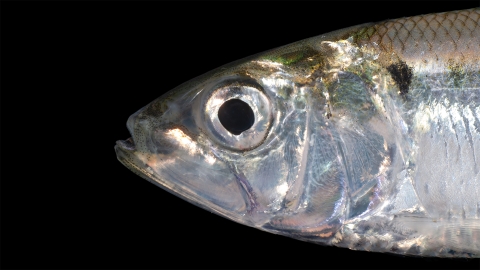
American shad (Alosa sapidissima)
Did you know that some fish hear better than others? American shad have fine sensory hairs that make them extremely sensitive to noises like the clicks and echolocation communication used by dolphins, one of their predators.
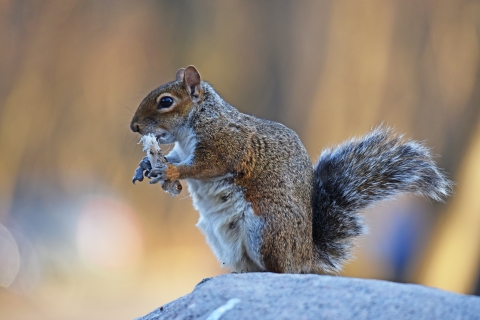
Eastern gray squirrel (Sciurus carolinensis)
Eastern gray squirrels are busy gathering and caching food for the cold winter months, but they're never too busy to stop for a quick snack. We noticed that this squirrel was munching on a milkweed seed pod.
Written By