Written By


To celebrate America's 250th birthday, we at the U.S. Fish and Wildlife Service are highlighting the incredible wildlife that calls this beautiful country home. From American icons to subtle specialists, join us as we highlight seven species each week: one species for each of the 250 days leading up to America's 250th birthday.
White-tailed deer (Odocoileus virginianus)
The white-tailed deer is one of the most widespread mammals in North America, known for its iconic tail flash. This time of year, deer are shifting from winter survival mode to finding fresh vegetation and preparing for fawning season.

Mallard (Anas platyrhynchos)
The mallard is one of the most recognizable ducks in North America. Found in wetlands, parks and ponds across the country, mallards are adaptable and among the first ducks to begin nesting in the spring.

Marbled salamander (Ambystoma opacum)
The marbled salamander has bold bands across its body. Unlike many salamanders, they breed in the fall, so larvae are currently growing in temporary wetlands before pools dry up in late spring.

Northern cardinal (Cardinalis cardinalis)
Northern cardinals can be found year-round across much of the eastern and central U.S., along with parts of the southwest. Now is a great time to hear cardinals singing as they claim territory and strengthen pair bonds. Nests are often built in dense shrubs or thickets.

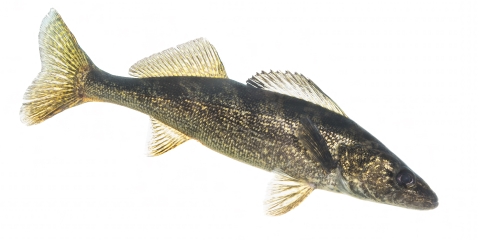
Walleye (Sander vitreus)
The walleye is a prized freshwater game fish found in lakes and rivers across the northern U.S. and Canada. They're especially active in March as they begin their pre-spawn migration, moving from deep waters into rivers and rocky shallows.
Northern harrier (Circus hudsonius)
The northern harrier is a graceful raptor with an owl-like face, long wings and ability to glide low and hover over fields and marshes. They rely heavily on sound and sight to hunt small mammals and more. Watch for harriers as they return to summer breeding grounds across much of the northern U.S. and Canada.

Northern parula (Setophaga americana)
The northern parula is a tiny, colorful warbler making its return to summer breeding grounds in the eastern U.S. and Canada. Occasionally they'll end up along the California coast, New Mexico and Arizona. They prefer mature forests near water.