Ways Citizens Can Contribute to Conservation of Wild Birds

Ways Citizens Can Contribute to Conservation of Wild Birds
Author(s)
Publication date
Facility
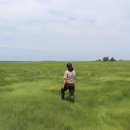
A woman, with her back to the camera, surveys an enormous green expanse of marsh. Small hills and a cluster of trees are visible on the horizon.
Located along the northeast coast of Massachusetts in an area of dense and expanding human development, Parker River National Wildlife Refuge has special significance and value to migratory birds, other wildlife, and people. The refuge also provides high-quality opportunities for nature-based...
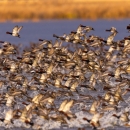
A large flock of ducks take off from the marsh.
The Montezuma National Wildlife Refuge is truly a haven for wildlife. Its diverse habitats of wetland, grassland, shrubland and forest give food, shelter, water and space to many of Central New York’s wildlife species. Waterfowl and other migratory birds depend on the Refuge as nesting, feeding,...
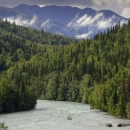
A boat heads down a river lined by forests and mountains.
The Dena’ina people call this special place “Yaghanen” - the good land. It's also known as the Kenai National Wildlife Refuge.  From ice fields and glaciers to tundra, forests, and coastal wetlands, the Kenai Refuge is often called “Alaska in miniature." Biodiversity is unusually high for this...
A picture of Ringneck Marsh in the summer featuring a cloudy/sunny sky, water, green trees and shrubs, with a swallow in flight
Iroquois National Wildlife Refuge is part of the U.S. Fish and Wildlife Service’s National Wildlife Refuge System, a network of lands set aside for the benefit of native wildlife and plants. Established in 1958, the refuge protects habitat mainly for migratory birds, but also other benefitting...
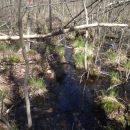
Wetland at the Great Swamp National Wildlife Refuge
Great Swamp National Wildlife Refuge is located only 26 miles west of New York City’s Times Square. It is a 12-square-mile natural oasis in an area that is mostly suburban, making the refuge an outstanding area for migrating waterfowl to stop, rest and feed on their migration. Points of interest...
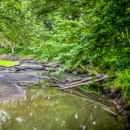
A creek winds the woods, trees full of bright green leaves.
Erie National Wildlife Refuge consists of two separate land divisions. Sugar Lake Division lies 10 miles east of Meadville on the outskirts of Guys Mills village. The Seneca Division is about 10 miles north of Sugar Lake Division or four miles southeast of Cambridge Springs, PA.
Media Usage Rights/License
Public Domain
Subject tags
Waterfowl
Trapping
Predator control
Military
History
Employees (USFWS)
Birds
Bird banding