Written By

For many, the holiday season is a time of gathering, traveling, and gift-giving. Home cooked meals. Holiday parties. Decorations. Cozy fireplaces. Friends and family from near and far.
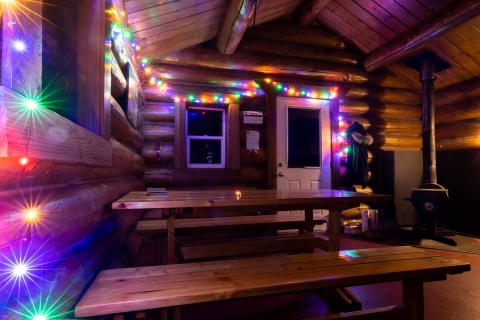
The last thing on anyone’s mind is likely invasive species. However, the season brings about unique opportunities for their potential spread.
With increased movement of decorations, firewood, plants, and packages, the risk of spreading pests and non-native species rises sharply. You might think Alaska’s cold climate would prevent the establishment of non-native organisms, but many hardy invasive species are capable of surviving—and even thriving—once they arrive. [Invasive freshwater aquatic plant, Elodea not only survives under the ice during the winter—it grows!] Even a single introduction can have outsized effects on wildlife, fisheries, and subsistence resources.
A few simple precautions can help protect ecosystems while keeping holiday traditions intact.
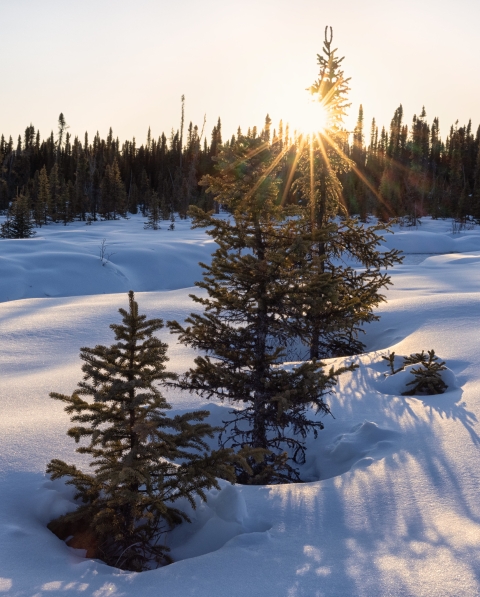
Holiday greenery can be a pathway for invasive insects and plants. Purchased Christmas trees, wreaths, and garlands can harbor hidden pests, such as adelgids, spongy moth, or lanternfly egg masses. Even soil from potted plants can contain hidden seeds or organisms capable of spreading if disposed of outdoors.
-> Your solution: Choose locally sourced greenery and inspect before bringing it indoors. [You may be able to visit your local National Wildlife Refuge to cut a tree down yourself!] After the holidays, dispose of greenery at approved collection sites rather than left outdoors or composting.
Firewood poses another major risk. Transporting wood between communities can move invasive insects and fungal pathogens to entirely new regions. Wood-boring insects can devastate forests. The best rule is simple: buy it where you burn it.
-> Your solution: Harvest or purchase local firewood.
Holiday travel adds yet another pathway for invasive species spread. Vehicles, luggage, outdoor gear, and pets can pick up soil or seeds along the way and accidentally move invasives across regions.
-> Your solution: Brush off boots, clean gear, and check pet fur before leaving the location.
By staying aware and taking small, thoughtful actions, you can ensure you aren’t giving the gift nobody wants—invasive species. Instead, you can enjoy a festive season while helping protect the environment for holidays to come.
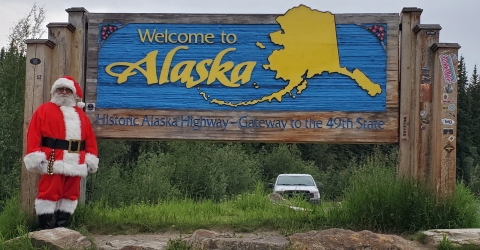
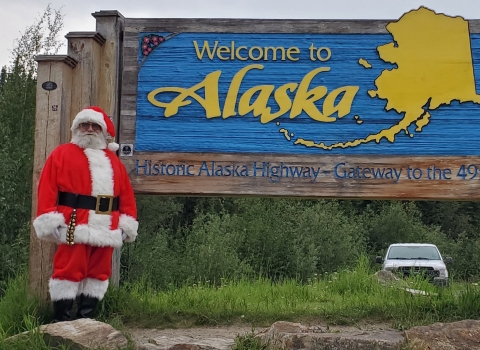
For more holiday tips, read about Santa Claus is protecting Alaska from invasive species.