Written By


To celebrate America's 250th birthday, we at the U.S. Fish and Wildlife Service are highlighting the incredible wildlife that calls this beautiful country home. From American icons to subtle specialists, join us as we highlight seven species each week: one species for each of the 250 days leading up to America's 250th birthday.
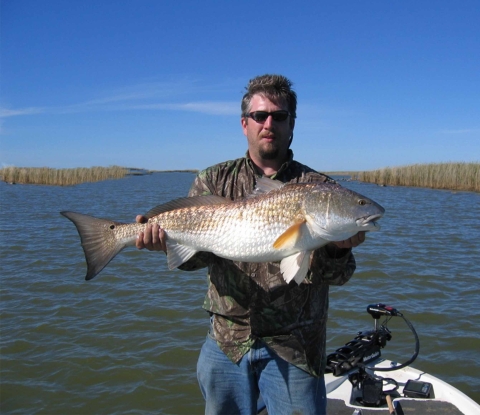
Red drum (Sciaenops ocellatus)
The red drum is a saltwater sport fish found along the Gulf and southern Atlantic coasts. They have a distinct black spot near the tail. This time of year, these fish are finishing spawning and shifting to deeper coastal waters.
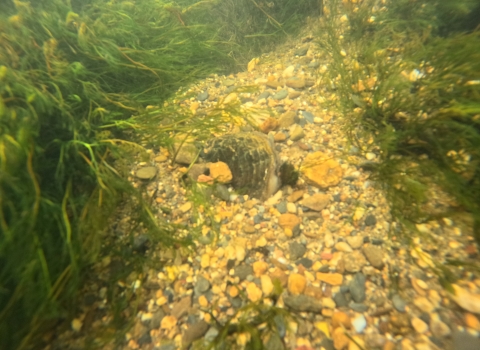
Bordered mantis (Stagmomantis limbata)
The bordered mantis is a native praying mantis found across the western U.S., known for its green or tan color and ambush skills. This time of year, females are laying foam-like egg cases. In the spring, tiny mantises will hatch.

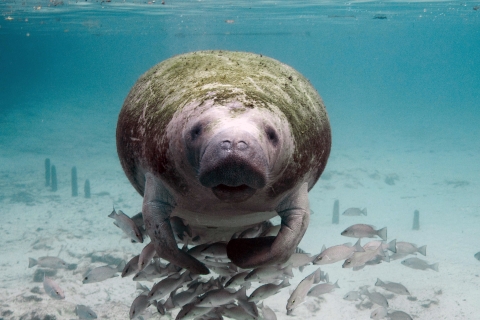
West Indian manatee (Trichechus manatus)
Manatees are found year-round along ocean coasts and inland waters including rivers and estuaries of the southeastern U.S., especially in Florida. Often called sea cows for their slow-moving, plant-munching behavior, manatees migrate to warm-water refuges to avoid cold stress as water temperatures drop in the fall and winter.
Kit fox (Vulpes macrotis)
The kit fox is a small desert fox native to arid regions of the western United States. With oversized ears and sandy coats, they're built for life in dry, open landscapes. Though shy and nocturnal, they play a vital role in controlling rodent populations and maintaining desert balance.

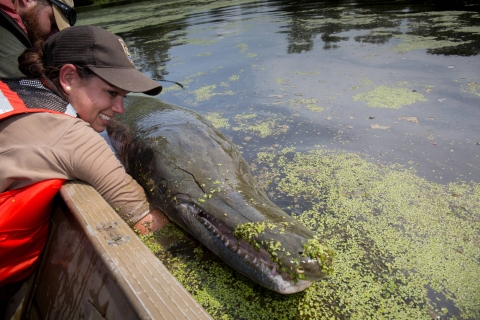
Alligator gar (Atractosteus spatula)
Smile! The alligator gar is among the largest freshwater fish in North America. They may grow up to 10 feet long and weigh more than 300 pounds. Able to adapt to varying salt levels, these fish are found in the southeast in freshwater lakes and brackish marshes, estuaries and bays along the Gulf coast.
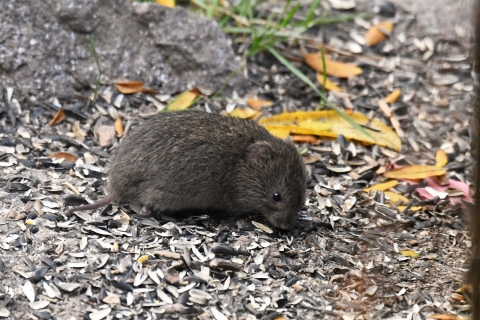
Meadow vole (Microtus pennsylvanicus)
The meadow vole is a small but mighty mammal that plays a key role in multiple ecosystems. Often mistaken for mice, these short-tailed rodents build tunnels under grasses and snow to stay warm and forage for seeds. They remain active all winter and are an important food source for owls, foxes and more.
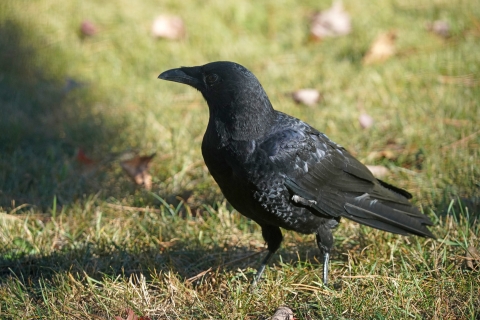
American crow (Corvus brachyrhynchos)
American crows are among the smartest and most adaptable birds in North America. In the fall, they form large communal roosts, sometimes gathering hundreds to thousands of birds. These groups help them stay safe, alerting to predators.
Written By