Written By


To celebrate America's 250th birthday, we at the U.S. Fish and Wildlife Service are highlighting the incredible wildlife that calls this beautiful country home. From American icons to subtle specialists, join us as we highlight seven species each week: one species for each of the 250 days leading up to America's 250th birthday.
Fatmucket (Lampsilis siliquoidea)
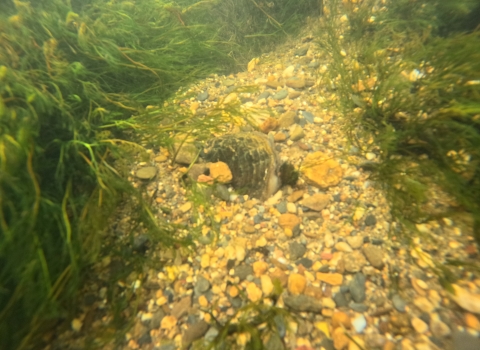
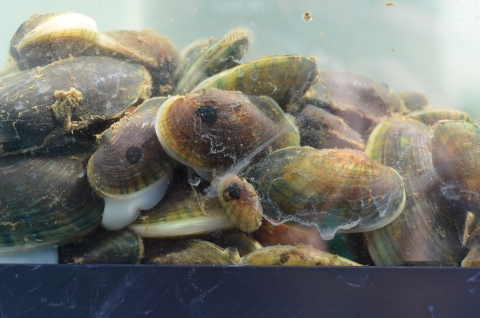
Thriving in lakes, rivers and streams, fatmuckets seek out sandy-mud bottoms. These freshwater mussels are one of North America's most common and are found in the Mississippi River drainage, Great Lakes and Hudson Bay regions. While they don't hibernate, fatmuckets overwinter by burying themselves in substrate where they conserve energy by being less active and quietly filter feed.
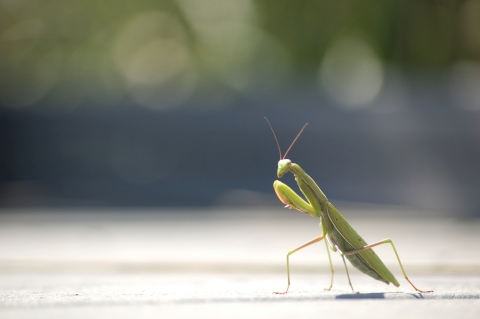
Carolina mantis (Stagmomantis carolina)
The Carolina mantis is a native praying mantis common across the southeastern United States. Females lay their eggs in the fall on twigs and plant stems in a hard, protective casing. Once warmer temperatures come in the spring, nymphs hatch out as small, wingless versions of adults.
Isabella tiger moth (Pyrrharctia isabella)
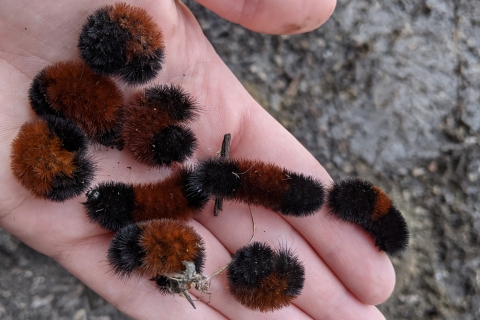
8 out of 9 woolly bear caterpillars agree it will be a mild winter. Severe or mild, they'll all be frozen solid under leaf litter anyway. In the spring, these caterpillars will thaw out, pupate within cocoons and emerge as adult Isabella tiger moths.
While there's no scientific backing to the idea that the banding color can predict winter weather, it's still fun to watch for patterns. Even caterpillars from the same clutch of eggs can have a wide variation in color!
Belted kingfisher (Megaceryle alcyon)
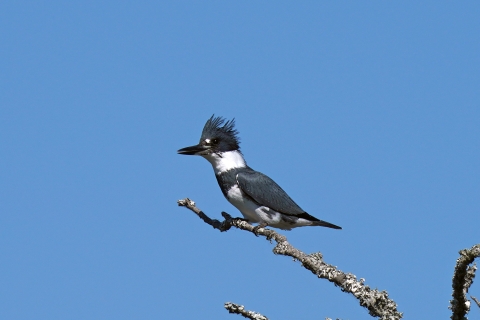
The belted kingfisher is known for its rattling call and impressive fishing skills. Found near lakes, rivers and coasts across the U.S., these birds dive headfirst into the water to catch fish. If there's open water around all winter, these birds will typically stick around.
Mexican free-tailed bat (Tadarida brasiliensis)
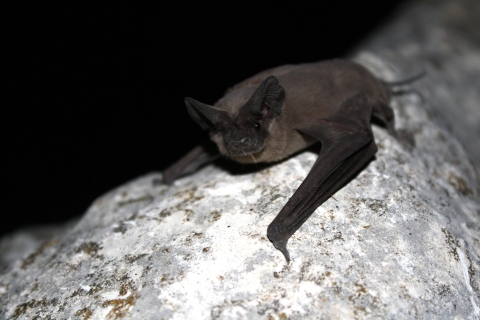
CUTE BAT ALERT! Mexican free-tailed bats are small but mighty, with many migrating to milder climates in Mexico, Central America and even South America to make it through the winter months. These bats mostly roost in caves, but also make use of bridges, mines and even buildings.
American pipit (Anthus rubescens)
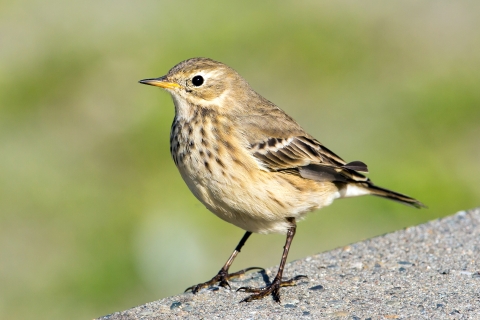
American pipits are slender, ground-dwelling songbirds often seen walking across open fields and shorelines. In the fall, they migrate from alpine and arctic breeding grounds to spend winters in coastal regions, the southern U.S. and much of Mexico.
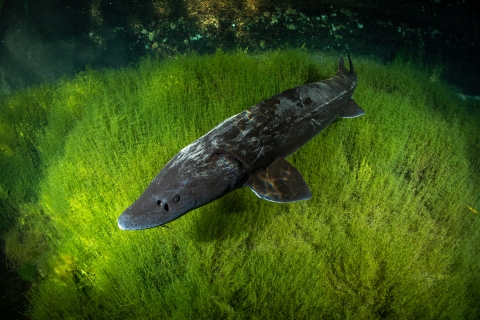
White sturgeon (Sinosturio transmontanus)
The white sturgeon is the largest sturgeon in North America, with some growing more than 11 feet long and weighing more than 800 pounds! Found in large rivers and estuaries of the Pacific Northwest, these ancient fish typically move to deeper, slower waters in the fall.
Written By