


To reduce potential safety hazards associated with heat related illnesses or injuries, the Refuge is implementing temporary hiking restrictions until further notice.
1. Hiking is permitted from sunrise until 10 a.m. ONLY.
2. All hikers on trails and the Mt. Scott Roadway must exit by 10 a.m.
3. After 10 a.m. daily, the Refuge will be closed to all hiking.
Refuge roads will remain open to motorized vehicles and bicycles. Doris Campground, fishing and picnicking will continue during normal operating hours, but backcountry camping will not be allowed.
A few safety tips to remember - bring plenty of water, wear loose-fitting clothing that is light in color, wear a cap or hat, and limit the amount of time you spend outdoors in extreme temperatures. Visitors who experience an emergency or need medical assistance should contact 911 and remain in place for emergency responder. For updates check back here, our Facebook, or contact the Visitor Center at 580-429-3222.

Visit Us
An enchanting landscape awaits you in southwestern Oklahoma at the Wichita Mountains Wildlife Refuge. Worn by time and nature, the Wichita Mountains loom large above the prairie —a lasting refuge for wildlife. Best known for its roaming herds of bison, longhorn, and Rocky Mountain elk, Wichita Mountains also offers quality opportunities for wildlife dependent recreation.
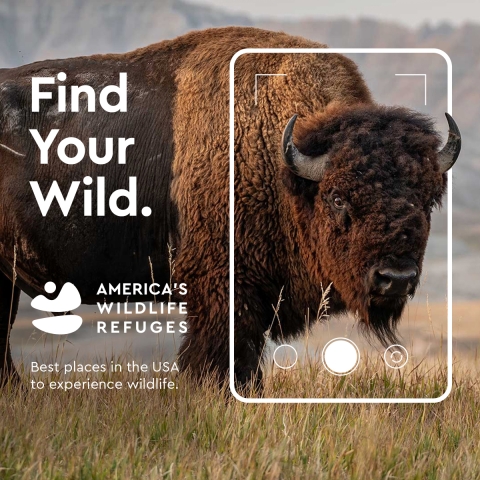
Subscribe to the America's Wildlife Refuges email newsletter for National Wildlife Refuge System facts and news to your inbox.
Location and Contact Information
About Us
Worn by time and nature, the Wichita Mountains loom large above the prairie in southwest Oklahoma—a lasting refuge for wildlife. Situated just outside the Lawton/Ft. Sill area, Wichita Mountains Wildlife Refuge preserves approximately 60,000 acres of mixed grass prairie, ancient granite mountains, and fresh water lakes and streams for the benefit of wildlife and the American people. Best known for its roaming herds of bison, longhorn, and Rocky Mountain elk, Wichita Mountains also offers quality opportunities for wildlife dependent recreation including fishing, bird watching, wildlife photography, hiking, camping, and kayaking.
What We Do
The National Wildlife Refuge System is a series of lands and waters owned and managed by the U.S. Fish and Wildlife Service. Wildlife conservation is at the heart of the refuge system. It drives everything we do from the purpose a refuge is established, to the recreational activities offered there, to the resource management tools we use. Selecting the right tools helps us ensure the survival of local plants and animals and helps fulfill the purpose of the refuge. The wildlife and habitats of the Wichita Mountains Wildlife Refuge are managed using prescribed fire, grazing management, invasive species invasive species
An invasive species is any plant or animal that has spread or been introduced into a new area where they are, or could, cause harm to the environment, economy, or human, animal, or plant health. Their unwelcome presence can destroy ecosystems and cost millions of dollars.
Learn more about invasive species control, reservoir management, fish stocking, public use management, Wilderness management, and controlled hunts to manage wildlife populations.
Our Species
Wichita Mountains Wildlife Refuge is home to a whole host of animals—from large animals like the American bison to tiny prairie dogs and colorful “Mountain Boomer” lizards. The Refuge is also a great place for over 275 species birds to nest, feed, or rest during migration.