Written By

The National Wildlife Refuge System is a haven for wildlife and wildlife enthusiasts. The mission of the Refuge System is to administer a national network of lands and waters for the conservation, management, and where appropriate, restoration of the fish, wildlife, and plant resources and their habitats within the United States for the benefit of present and future generations of Americans. The National Wildlife Refuge Improvement Act of 1997 identified wildlife observation and photography, hunting, fishing, education and interpretation as priority public uses on refuges. This means Visitor Services programs are often important to the mission of the Refuge System and these public uses are a priority consideration that informs refuge planning and management.
Visitor Services staff provide guidance and resources for community engagement, recreation, welcoming and orienting visitors, delivering interpretive and education products, and supporting Friends, volunteers, and youth employment. From the coastal estuaries of Oregon and Washington to the remote coral atolls of the Pacific Islands, Visitor Services staff help communities build lifelong relationships with nature. Partnerships with Tribes, local schools, nonprofits, and community organizations ensure programming reflects local voices, knowledge, and traditions.
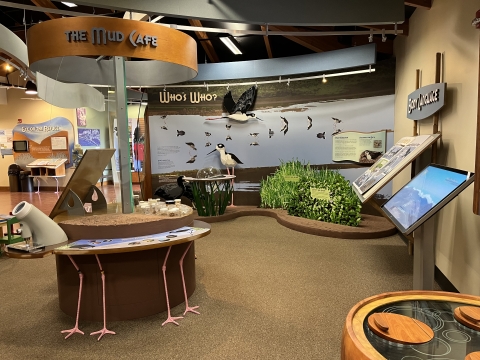
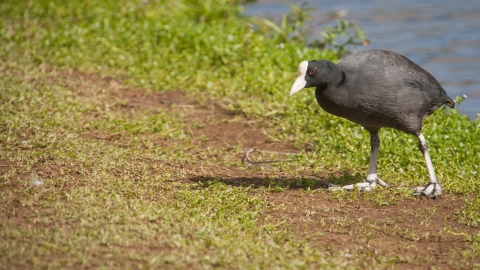
Keālia Pond National Wildlife Refuge was established in 1992, protecting one of the few large natural freshwater wetlands remaining in Hawaiʻi, and the largest lowland wetland remaining on Maui. The 700-acre refuge is located along the south-central coast between Kīhei and Mā‘alaea, providing a natural basin for a 56-square mile watershed from the West Maui Mountains. Established for the conservation and recovery of endangered Hawaiian waterbirds, the refuge provides essential nesting, foraging, and resting habitat for two species--aeʻo (Hawaiian stilt) and ʻalae keʻokeʻo (Hawaiian coot).
The refuge offers a variety of programs and facilities for the public including the Keālia coastal boardwalk, Kanuimanu Ponds trail, and Pulelehua nature trail for wildlife viewing and photography, and information in the visitor center exhibit hall. The refuge also offers environmental education field trips focused on the role of wetlands, endangered species management, native Hawaiian plants, invasive species invasive species
An invasive species is any plant or animal that has spread or been introduced into a new area where they are, or could, cause harm to the environment, economy, or human, animal, or plant health. Their unwelcome presence can destroy ecosystems and cost millions of dollars.
Learn more about invasive species , and more. All of these opportunities are run by the refuge’s Visitor Services Program.
I recently had the opportunity to speak with Allyssa Morris, Visitor Services Program Manager at Keālia Pond National Wildlife Refuge. She answered the following questions and provided her perspective on the important role of Visitor Service program at the refuge and the intentional educational and community engagement activities that enhance recreational opportunities for those that reside on Maui and members of the public, students, and multi-generational visitors from across the country and globe. The Keālia visitor center welcomes 12,000 visitors and the Keālia coastal boardwalk welcomes over 150,000 visitors annually.
Insights from Keālia Pond NWR Visitor Services Manager:
What species can visitors see at the refuge? Why are these species important?
The refuge was established to provide protected habitat for two of Hawaiʻi’s endemic bird species, the aeʻo (Hawaiian stilt) and ʻalae keʻokeʻo (Hawaiian coot). The refuge offers various viewing opportunities for these birds. These species are important as they are federally listed as endangered. Population decline is mainly due to habitat loss and predation by various introduced animals. Other native species that visit the refuge include the koloa maoli (Hawaiian duck), nēnē (Hawaiian goose), and ʻaukuʻu (black-crowned night heron). Visitors can also view a number of migratory shorebirds during the winter months. The refuge supports one of the largest populations of migratory shorebirds in the state. Species such as the kōlea (Pacific golden plover), ʻūlili (wandering tattler), ‘akekeke (ruddy turnstone), and hunakai (sanderling) frequent the refuge from August to April.
What recent efforts or initiatives at Keālia Pond are among the most meaningful or rewarding--in terms of innovation, benefit to species and/or positive engagement with community?
The refuge is close to completing the Pulelehua trail located steps away from the visitor center. Pulelehua means butterfly in ‘ōlelo Hawaiʻi (Hawaiian language). This walking trail features various native Hawaiian plant species and pollinators. It's a special place where visitors can view a collection of native plants specific to Hawaiʻi dryland forest, dryland shrubland, and coastal ecosystems. The refuge invites visitors and community members to enjoy the trail and use it as a resource to learn more about the significance of native plants and pollinators.
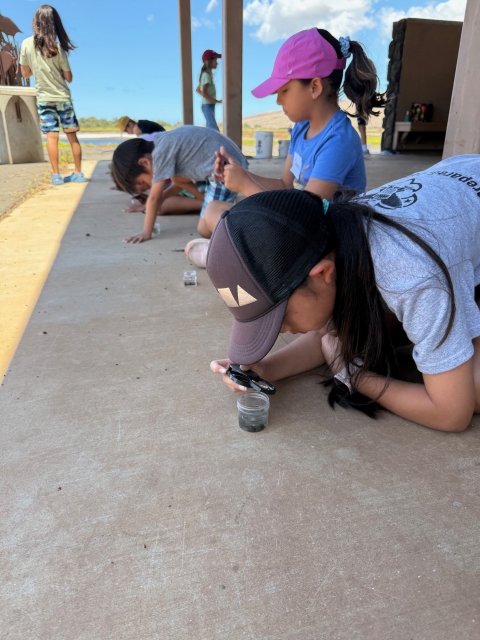
The refuge also hosts students from local schools year-around so keiki (children) can learn about native plants and animals, the role of wetlands in the ecosystem, the importance of conservation, as well as give them a sense of what kind of wildlife and habitat occur within and around the area where they live. In 2024, the refuge hosted over 1,400 students, from public, private, and home schools on field trips that provided Maui students with hands-on learning opportunities. Field trips focused on wetland education, endangered bird species, dryland forest ecosystem, native Hawaiian plant species, careers in conservation, and more.
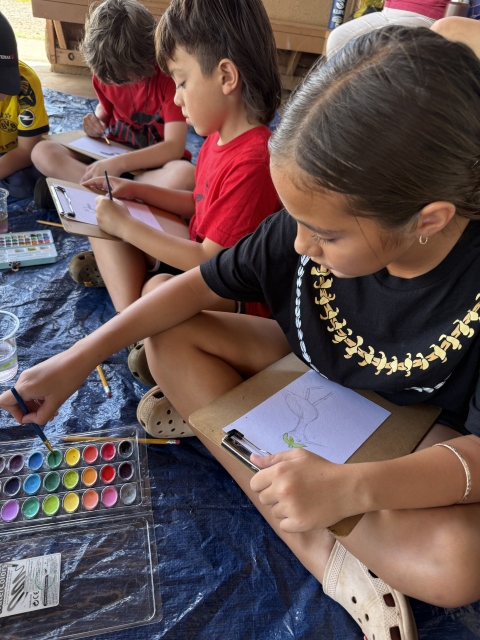
In June-July 2025, Keālia Pond National Wildlife Refuge and Hawaiʻi Nature Center (HNC) partnered together to host a five-week summer camp. Keiki ages 6-12 years old participated in week-long camps with various themes such as Abundant Ahupua'a, Habitats of Hawaiʻi, and Fantastic Fauna. Participants were able to learn about the role of wetlands, complete their own bird survey, create bird-inspired art, play games, and meet new friends. The camp was an excellent opportunity for keiki from all across the island to come together, connect with the ʻāina, and make lasting memories.
What are your hopes for the future of Visitor Services at Keālia Pond?
My hope is that every student on Maui will have the opportunity to visit Keālia Pond National Wildlife Refuge at one point during their school career. I hope we can serve as a community resource to the people of Maui and better connect people with nature. I hope to build our volunteer program, which will ultimately lead to connecting with more audiences.
Partnership is a vital part of ensuring we meet the mission of the U.S. Fish and Wildlife Service. What is a piece of information (concept, idea, or take away) you wish individuals including the general public, students, or members of the community knew about Keālia Pond or the U.S. Fish and Wildlife Service?
I wish for individuals to feel a deeper connection to the ʻāina when they visit Keālia Pond. I am proud of the conservation efforts accomplished by our staff. We have the highest recorded number of aeʻo in the state. The number of fledglings of aeʻo and ʻalae keʻokeʻo have increased due to our hard work and efforts. It's important that people continue to care for this place so that future generations can enjoy it for years to come.
Visitor Services – Building Enduring Connections
The Visitor Services program at Keālia is essential to the community and connects them to the natural and cultural resources that occur in their back yard. Allyssa said, “Visitor Services is so important because we act as a bridge to connect people with all of the meaningful projects and science that is being accomplished.” Allyssa’s dedication and efforts as the program manager will continue to engage the next generation of conservation stewards in Hawaiʻi, inspiring youth to establish and nurture their connections to ʻāina.