Written By

People power conservation and this series is to shine a spotlight on some of the folks working hard to protect the nature of America. Tara Callaway is the recovery coordinator for Washington Ecological Services in Washington State. Tara has worked for the U.S. Fish and Wildlife Service for 7 years and shares her story with us.
How did you become interested in conservation or the work that you do?
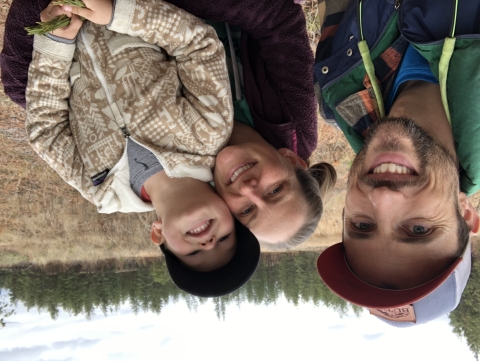
Hi everyone! I’m Tara Callaway, and I am a native Midwesterner originally from a very small town in northern Illinois (think cornfields as far as the eye can see). I currently live in central Washington in a beautiful town called Wenatchee, where I have access to amazing recreational opportunities such as backpacking, hiking, skiing, snowshoeing, swimming, and climbing within 15 minutes from my house. I live here with my husband, 5-year old son, and puppy.
I have always been interested in conservation, specifically native plant conservation, since I was a young kid. I had absolutely no idea, however, that there were careers in conservation biology. In fact, some of my family gave me a hard time for majoring in Biology as I could “never find a job” with that degree.
Luckily, I’ve had several mentors along the way who have inspired me to get into this field and to do my best while here. I’ve found that the positions I enjoyed and thrived in most, I had a great mentor to thank. Some of my mentors were also supervisors, and I always enjoyed working with them because they were always willing and available to brainstorm new ideas and supportive of challenging the status quo. Another mentor was a senior biologist co-worker who took me under their wing and let me join them in working on extremely challenging projects. It was an awesome experience because I was able to learn at a much higher level with the guidance of this mentor. I know I wouldn’t have excelled half as much in my positions and career without the support of these people, so I’m always grateful I had the privilege of working with these wonderful people.
What did you study or how did you get involved in public service?
I got involved in public service through a roundabout way. My advisor at Northern Illinois University handed me a pamphlet about SCA (Student Conservation Association) and recommended getting an internship for biology field experience. Only one place offered me an internship (probably because I had zero experience with backpacking), so off I headed to Baxter State Park in Maine. My whole world changed from that life-changing experience, and I never looked back.
After that, I worked as a volunteer trail crew member at Kachemak Bay State Park in Alaska, an SCA interpretive park ranger intern at Joshua Tree National Park, a seasonal park ranger at Mount Rainier and Joshua Tree National Parks for several seasons, a botany crew leader at Institute for Applied Ecology, a volunteer biological science technician at Alaska Peninsula and Becharof National Wildlife Refuges, and a rangeland researcher at Colorado State University. In between those experiences, I got a Master’s of Science degree focusing on Molecular Biology for sympatric plant speciation in Solanaceae. Then, I landed a permanent federal job in 2015 at Palm Springs Ecological Services Field Office in California as an endangered species biologist.
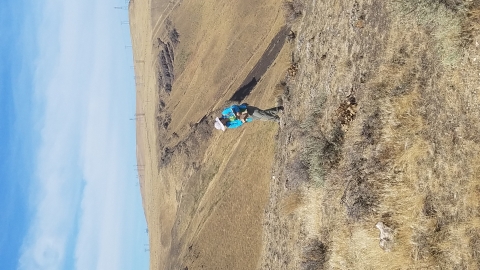
Tell us about your job.
I’m currently the state recovery coordinator for Washington Ecological Services and have been since March 2021. In my role, I get to work with biologists across the state and region on recovery planning and implementation. This involves a whole range of duties but mainly involves reviewing recovery planning documents, facilitating the recovery funding for our state, and coordinating with partners and stakeholders on listed species issues.
The most interesting part of my job is getting to learn about all the listed species in Washington as well as working with so many different partners and Service biologists. It’s fun to be constantly learning about so many species from a lot of amazing people!
What's your favorite thing about working for the Service?
My favorite thing about working for the Service is that I get to go to work every day for an agency that has a mission that fits my values. I know my work matters to the species I help, and I feel nothing but gratitude for this opportunity.
Which National Wildlife Refuge is your favorite?
Alaska Peninsula National Wildlife Refuge! My husband and I volunteered one summer to live at a remote backcountry camp at the refuge collecting data on fish, bees, plants, you name it. It was a summer surrounded by bears, eating salmon, picking wild berries, identifying native plants, and taking long walks along the beach. It was one of those once in a lifetime experiences for me.
What advice do you have for someone interested in a career in conservation, public service, and/or with the Service?
Go for it! You have an opportunity to make a positive difference in the world in conservation, public service, and with the Service. What are you waiting for?