The 10,000 acre Shiawassee National Wildlife Refuge was established in 1953 for use as an inviolate sanctuary and for any other management purposes of migratory birds. The refuge also serves as an ideal destination for recreation. As a designated Important Bird Area, it is a place of global significance for migratory waterfowl.
Announcements

Closures for 2025:

Due to upcoming deer hunts on the refuge, the Ferguson Bayou Trail and the Woodland Trail are closed to all public use on the following dates in 2025:

  • Sept. 13-14th (Youth Hunt)
  • Oct. 1-7th
  • Oct. 31-Nov. 6th
  • Nov. 15-16th
  • Nov. 17-18th
  • Nov. 20-24th
  • Nov. 25-30th
  • Dec. 5-11th
  • Dec. 19-25th

Hunters must follow all State of Michigan hunting regulations. For more information, check out our Hunting page.

Visit Us

Shiawassee National Wildlife Refuge provides several great opportunities to enjoy the outdoors. The mixture of bottomland forests and wetlands creates great waterways for canoeing and kayaking while also being great wildlife observation, hunting and fishing areas.

Location and Contact Information

      About Us

      The 10,000 acre Shiawassee National Wildlife Refuge was established in 1953 for use as an inviolate sanctuary and for any other management purposes of migratory birds. The refuge also serves as an ideal destination for recreation. As a designated Important Bird Area, it is a place of global significance for migratory waterfowl.

      What We Do

      Services
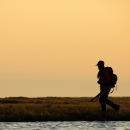
      Silhouette of a person walking with a shotgun on the tundra

      Some commercial, recreational and research activities are allowed on national wildlife refuges only with a special use permit issued by the local office, and are subject to specific conditions and fees. This permit requirement is meant to ensure that all activities at the federal site are...

      Our Organization

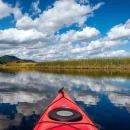
      A bright blue sky obstructed by fluffy white clouds reflected off of a stream shot from inside a kayak
      The U.S. Fish and Wildlife Service manages an unparalleled network of public lands and waters called the National Wildlife Refuge System. With more than 570 refuges spanning the country, this system protects iconic species and provides some of the best wildlife viewing opportunities on Earth.

      Our Species

      More than 280 species of migratory birds and more than 100 songbirds have been observed on the refuge. The refuge supports numerous species of colonial nesting waterbirds such as ring-billed and herring gulls, great blue herons and great egrets. The refuge is home to several pairs of nesting eagles. In the spring and summer visitors may see eastern fox snakes (non-venomous) or white-trailed deer while on the trails. Muskrats are active throughout the year, swimming along drainage and the wetlands. Visitors might observe American white pelicans resting during the summer in Maankiki Marsh.