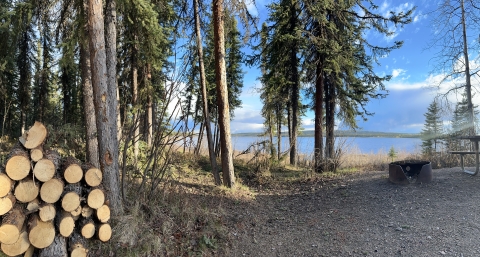
October brings cooler weather, changing and falling leaves, dwindling daylight hours, and settling into new routines. Time is spent gathering together after busy summer months, and for those in northern climates, preparing for winter. Often that involves stocking up on firewood for woodstoves, cabins, and campfires. October is National Firewood Month, a timely reminder that the wood we burn can carry unwanted passengers: tree-damaging insects and diseases. Moving firewood can have a lasting impact on the health of our forests. Firewood Month is an opportunity to raise awareness about invasive species invasive species
An invasive species is any plant or animal that has spread or been introduced into a new area where they are, or could, cause harm to the environment, economy, or human, animal, or plant health. Their unwelcome presence can destroy ecosystems and cost millions of dollars.
Learn more about invasive species and encourage simple actions that help protect trees, wildlife, and natural landscapes.
The message is simple: Don’t move firewood.
The Hidden Hitchhikers in Firewood
Insects, larvae, and disease-causing organisms can hide beneath bark of firewood or inside the wood itself, making them difficult or impossible to detect. When firewood travels long distances, these hidden hitchhikers can reach forests where they have never occurred before. Moving firewood can spread pests hundreds of miles farther than they could travel naturally. Once established, they can damage trees, disrupt ecosystems, and create costly challenges for landowners and communities.
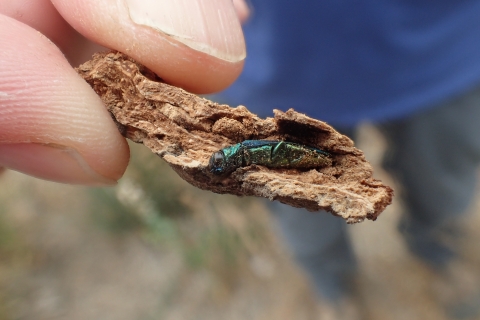
Invasive species such as the emerald ash borer and spongy moth have caused significant damage to forests across North America. These insects can weaken or kill trees, alter forest ecosystems, reduce wildlife habitat, and create costly challenges for communities. Emerald ash borer has caused death and decline of tens of millions of ash trees in North America. Spongy moth caterpillars feed on leaves of greater than 300 species of trees and shrubs, slowly killing them. Eggs of both species can be laid on bark of trees/firewood. Tree diseases can also spread through the movement of infected wood.
In Alaska, many residents, particularly those in Southcentral, are familiar with the impact of spruce beetles. Despite what you might think, spruce beetles are not invasive species in Alaska. They are classified as pests, because they cause economic and ecological harm when populations are high, but are native to the state.
[Curious about the difference between invasive species and pests? Invasive species are non-native. Pests can be native or non-native.Both cause harm. All invasive species are pests; not all pests are invasive species.]
In times of low beetle populations, spruce beetles play important roles in maintaining healthy forests by removing declining trees and creating new gaps for trees.During high population levels, spruce beetles cause extensive tree mortality. The ongoing outbreak in Southcentral Alaska is estimated to have impacted 2.26 million acres. Although spruce beetles are not an invasive species, their story illustrates how destructive wood-boring insects can be. Infested spruce logs that have not been properly processed can harbor beetles beneath the bark, allowing them to emerge later and attack nearby trees.
Buy It Where You Burn It
Protecting forests from invasive species and pests doesn’t require complicated equipment or specialized knowledge. Preventing this kind of spread is straightforward. One of the easiest ways to reduce the risk of spreading forest pests is to follow a simple rule: buy or gather firewood where you plan to burn it.
Transporting firewood over long distances can move invasive species into new areas. Even wood that looks healthy may contain hidden insects or disease-causing organisms. Gathering wood locally (where permitted), purchasing firewood locally (heat-treated if possible), and following local firewood restrictions can help reduce this risk.
Join the U.S. Fish and Wildlife Service in observing National Firewood month.
As individuals and communities, we can make safe firewood choices that support the health of our forests and wildlife, while preventing the spread of invasive species and forest pests. This October (and throughout the year!), keep your firewood close to home.
Here are quick tips to help keep forests healthy for generations to come.
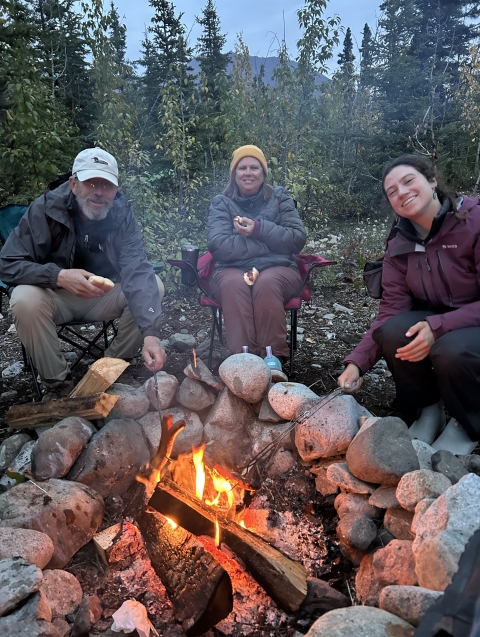
- Buy or gather firewood near where you will burn it. Check out your local National Wildlife Refuge, National Forest, or other state/federal public land for permits. For example, Kenai NWR offers free personal use firewood collection permits annually. Many campgrounds have wood available for purchase/free at them.
- Leave leftover firewood behind. Do not take it to another campground, community, or state.
- Avoid moving firewood long distances. If transport is necessary, check applicable guidance and use approved heat-treated wood where permitted. For example, transporting firewood between USA and Canada is prohibited both directions unless labeled and certified.