Every June during Pollinator Week, we at the U.S. Fish and Wildlife Service shine a spotlight on the many pollinators that fertilize plants, sustain food webs, maintain biodiversity and keep our ecosystems thriving and healthy. These pollinators also sustain us by supporting our economies and ensuring we are all well fed with delicious fruits and vegetables.
When thinking about pollinators, most people envision bees. Oregon’s 700+ native bees do play an essential role across our diverse landscapes, but there are many other types of pollinators. They include moths, beetles, flies, wasps, birds, rodents and butterflies. Many pollinators, including some of Oregon’s rare butterflies, have come to depend on specific host plants for their survival.
Oregon’s rare butterflies
This year, the Oregon Fish and Wildlife Office is highlighting four rare butterfly species we work to conserve and recover: the monarch butterfly (Danaus plexippus), the Taylor’s checkerspot butterfly (Euphydryas editha taylori), the Oregon silverspot butterfly (Speyeria zerene Hippolyta), and the Fender’s blue butterfly (Icaricia icarioides fenderi). All four have a unique life cycle that includes a necessary relationship with specific host plants during their larval stage. These plants provide the only food their caterpillars eat and are essential for reproduction and survival.
Hidden defense mechanism
Butterly host plants have a hidden secret: Every one of the host plants these butterflies depend upon also contain chemical compounds that are toxic to many animals. While these chemicals do not harm the chomping caterpillars, they do become stored up in their bodies. This powerful, hidden defense mechanism safeguards the caterpillars and makes them unpalatable or toxic to most potential predators.
Monarch butterflies need milkweed
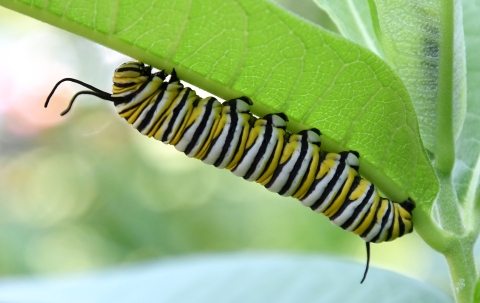
The monarch butterfly, famous for its long-distance, three country spanning migration, is perhaps the most widely recognized butterfly in the United States. Monarch caterpillars feed exclusively on milkweed species. Although adult monarchs visit a variety of nectar-rich flowers, their populations cannot persist without milkweed.
Monarch populations across the nation have declined significantly in recent decades, and the Service proposed to list the species under the Endangered Species Act in 2024. The monarchs that flutter around Oregon are part of the multi-generation western migratory population that primarily overwinters on the California coast. In Oregon, four native milkweed species grow in a variety of habitat types from the western valleys east to the sagebrush sagebrush
The western United States’ sagebrush country encompasses over 175 million acres of public and private lands. The sagebrush landscape provides many benefits to our rural economies and communities, and it serves as crucial habitat for a diversity of wildlife, including the iconic greater sage-grouse and over 350 other species.
Learn more about sagebrush sea. They include heartleaf milkweed (Asclepias cordifolia), Davis’ milkweed (Asclepias cryptoceras ssp. Davisii), narrowleaf milkweed (Asclepias fascicularis), and showy milkweed (Asclepias speciosa). All four milkweed species are critical to sustaining local breeding populations during the summer months and supporting the monarch’s migration. Monarch butterflies are typically present in Oregon from early May through September.
We are working in partnership to conserve the western migratory population by implementing the priority actions in the Western Association of Fish and Wildlife Agencies 2025 update to the Western Monarch Butterfly Conservation Plan. The good news is, we all have an important role to play when it comes to monarch butterfly conservation! Everyone can help by planting nectar rich flowers that feed adult monarchs, planting milkweeds native to your region, protecting existing habitat in your community, and participating in community science like the Western Monarch Count and the Western Monarch Milkweed Mapper.
Taylor’s checkerspot butterflies need plantain subspecies and golden and harsh paintbrush
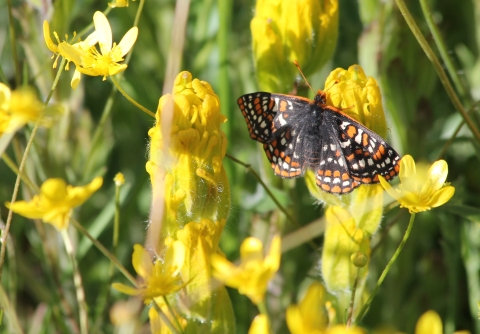
Taylor’s checkerspot butterfly, endemic to the Pacific Northwest, were once found throughout native prairies of western Washington, Oregon and southwest British Columbia. Historically found in Oregon’s grasslands and coastal prairies, this butterfly has declined along with the loss of prairie ecosystems due to development, invasive species invasive species
An invasive species is any plant or animal that has spread or been introduced into a new area where they are, or could, cause harm to the environment, economy, or human, animal, or plant health. Their unwelcome presence can destroy ecosystems and cost millions of dollars.
Learn more about invasive species and fire suppression, and is now limited to a small handful of sites in the state. To help protect this butterfly, it was listed as endangered in 2013.
Taylor’s checkerspot butterfly larvae feed primarily on Golden paintbrush (Castilleja levisecta), Harsh paintbrush (Castilleja hispida) and Narrow-leaved plantain (Plantago lanceolata). Adult butterflies rely on a variety of nectar sources found in oak associated meadows and grasslands. Our collaborative conservation efforts aim to restore native prairie habitats. The Oregon Fish and Wildlife Offices has also been working with the Oregon Zoo since 2011 to raise these butterflies for future release into the wild. All these efforts are helping prevent extinction of the species and work toward recovery.
Oregon silverspot butterflies need early blue violets

The Oregon silverspot butterfly inhabits coastal grasslands and is closely tied to the early blue violet (Viola adunca), the sole host plant for their caterpillars. Adults feed on nectar from late-summer flowers such as yarrow and goldenrod, which help them build energy reserves for reproduction. Invasive species, fire suppression, development, and habitat changes along the coast have all contributed to the decline in the coastal habitat this butterfly needs, and their consequent declining population. They were listed as threatened in 1980.
To foster suitable conditions for the Oregon silverspot butterfly to recover, the Oregon Fish and Wildlife Office and our many partners have been working to plant violets and nectar plants and manage and restore coastal meadows. Like Taylor’s checkerspot butterfly, we’ve also been partnering with the Oregon and Woodland Park Zoos to raise these butterflies for release to support the wild population and establish new populations. Thanks to this effort, about 2,000 butterflies are released each year at key sites along the Oregon Coast.
Fender’s blue butterflies need Kincaid’s lupine
Fender’s blue butterfly, at one time thought extinct, is now a conservation success story in Oregon’s Willamette Valley. Their caterpillars depend entirely on Kincaid’s lupine (Lupinus oreganus), a federally threatened native plant found in upland prairies. The adults feed on nectar from a range of prairie wildflowers, but the presence of Kincaid’s lupine is the key factor determining where the butterfly can breed because it is the only food source their caterpillars eat.
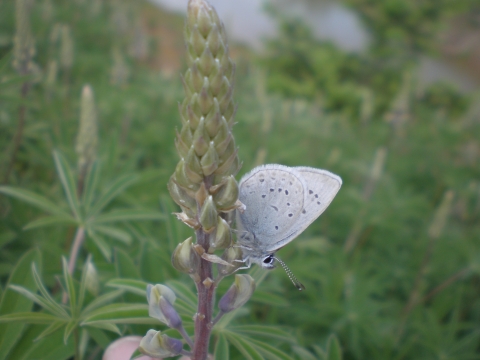
Both the population of the plant and the butterfly have been impacted by their prairie habitat disappearing because of urbanization, conversion to agriculture, the spread of non-native plants, and the absence of wildfire. Due to these threats, the Kincaid’s lupine was listed as threatened in 2000 and the Fender’s blue butterfly was listed as endangered in 2003.
Working with many partners, our species recovery efforts are focused on restoring Willamette Valley prairies and reestablishing Kincaid’s lupine to support Fender’s blue butterfly recovery. One of the sites key to our recovery efforts is William L. Finley National Wildlife Refuge where we are celebrating 10 years of successfully reintroducing Fender’s Blue Butterflies. Thanks to over 20 years of dedicated partner driven conservation, including working with private landowners and farmers, the Fender’s blue butterfly is on track to become a recovery success story and was downlisted from endangered to threatened in 2023. We remain dedicated to this butterfly thriving and someday no longer needing to be listed.
Our work continues and you can play a role

Oregon’s rare butterflies illustrate the intricate connections between pollinators and plants. Protecting these species requires safeguarding their host and nectar plants and the habitats that support them. Through working with our partners and restoring native vegetation, controlling invasive species, preventing conifer encroachment in prairie environments, and protecting, propagating and planting their native host and nectar plants in essential habitats, we are working hard to recover these rare butterflies.
Pollinator Week is more than a celebration — it’s a call to action. By learning about Oregon’s rare butterflies and the plants they depend on, we can all take meaningful steps to ensure these species survive for future generations. While the Oregon Fish and Wildlife Office’s work continues protecting these butterflies, everyone has a role to play in pollinator conservation. Whether you transform your yard into a pollinator haven, volunteer for a restoration project, work in your community to turn public spaces into pollinator habitats, get involved in community science to help monitor their populations, or simply spread the word about these rare butterflies, your actions will help all of Oregon’s pollinators.