BY AIR, BY LAND, BY WATER
Join the U.S. Fish and Wildlife Service in celebrating our enduring commitment to the conservation of our nation’s breathtaking natural treasures. This milestone is not just about reflecting on our rich history; it’s about igniting passion and inspiration for the future, as we protect the diverse ecosystems that nurture the fish, wildlife, and plants essential to our well-being.
WHO WE ARE
FEATURED EVENTS
The Service hosts and participates in many special events throughout the year. Want to know more? Visit our events page to see what activities are happening near you!

📆 SPECIAL OBSERVANCE
America's 250th Anniversary
Celebrating the Nation's 250th birthday. The Service is marking this milestone with a series of special events. Explore what’s happening and be part of the celebration!
GET INVOLVED
Volunteers play a vital role in helping the Service meet its conservation goals. Visit our volunteers page and find out how you can get involved!

👥 Opportunities for All Ages
Opportunities for all ages, including kids, teens and young adults, seniors, families, and groups, such as an organization or company.
🕙 Opportunities for All Availabilities
We know you have other demands on your time. Volunteers can work a few hours a week or at single–day events, such as National Public Lands Day, Earth Day, and the Christmas Bird Count Christmas Bird Count
The nation's longest-running community science bird project, the Christmas Bird Count occurs December 14 to January 5 every season and is coordinated by Audubon.
Learn more about Christmas Bird Count .
🏞️ Opportunities for All Activity Levels
The U.S. Fish and Wildlife Service welcomes volunteers of all backgrounds and abilities. Volunteers may lead tours, restore habitat, conduct plant and animal surveys, help staff a refuge nature store, and so much more.
COMMITMENT TO CONSERVATION
CELEBRATING THE PAST
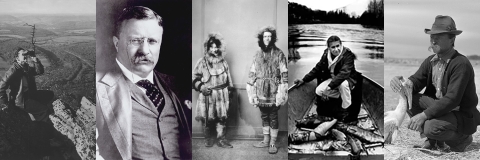
Humans have always had a connection to the lands, water, and wildlife of what is now the United States, from the traditional knowledge of the earliest indigenous peoples to the modern era of legislative protections and species restoration. Click the links below to explore this interactive timeline that captures this rich history, learn more about America's conversation heroes and the Service history.
U.S. Fish and Wildlife Service history
HONORING THE PRESENT
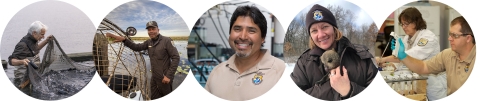
People from accountants to zoologists have found careers and volunteer opportunities in the Fish and Wildlife Service. Some of the giants of American wildlife conservation worked for the Service. Learn about our conservation heroes, past and present.
LOOKING FORWARD TO THE FUTURE

The Future of Conservation podcast series explores the cutting-edge science, innovative ideas, and passionate people working to protect our planet and its species. Click the link below to listen to these important stories.
Future of Conservation Podcast
BY AIR
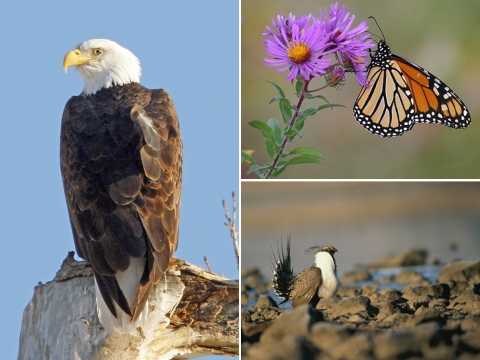
The Service protects native bird species across North America, and in some cases, in the Southern Hemisphere, through habitat conservation, monitoring, research, and enforcement. Birds play critical roles in ecosystems as pollinators, seed dispersers, and natural pest control agents.
Bird conservation began in the early 1900s, when overharvesting for food and fashion led to steep population declines. The Lacey Act of 1900 was the first U.S. law to protect birds. Today, we continue that legacy by helping bird populations thrive.
BY LAND
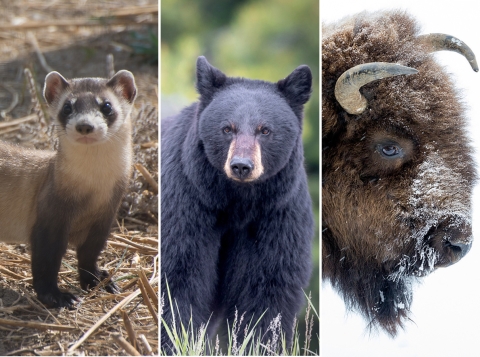
The Service conserves land to protect wildlife and their habitats through national wildlife refuges, species recovery projects, and partnerships with tribes and local communities.
The first national wildlife refuge national wildlife refuge
A national wildlife refuge is typically a contiguous area of land and water managed by the U.S. Fish and Wildlife Service for the conservation and, where appropriate, restoration of fish, wildlife and plant resources and their habitats for the benefit of present and future generations of Americans.
Learn more about national wildlife refuge , Pelican Island, was created in 1903. Today, more than 570 refuges protect over 95 million acres of land, supporting biodiversity and ensuring future generations can enjoy America’s natural heritage.
BY WATER
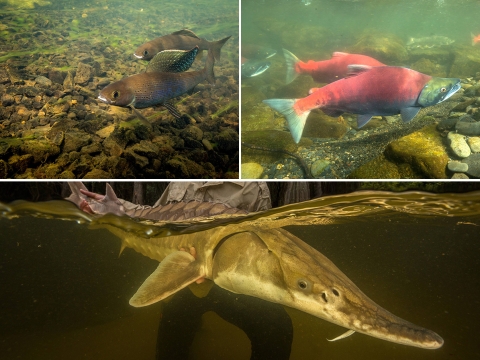
Aquatic conservation is essential for healthy ecosystems, clean water, and sustainable fisheries. The Service restores waterways, operates fish hatcheries, and protects aquatic habitats across the country.
We co-manage over 760 million marine acres, 38 wetland management districts, and 70 national fish hatcheries, which release an estimated 223 million fish, mussels, and amphibians annually. The first national fish hatchery was established in 1872 on the McCloud River in California, and we have been conserving fish ever since.
EXPLORE MORE
Explore more through these online resources!