Fall migration is underway, and the skies are filling with birds heading south. Some will travel thousands of miles along ancient routes, guided by weather, instinct, and the availability of suitable habitat.
Between September and November, hundreds of millions of birds will make their way across North America, many traveling along four major migratory flyways: the Pacific, Central, Mississippi, and the Atlantic. These broad migration corridors stretch across the continent, connecting northern breeding grounds with warmer wintering habitats farther south.
For those who venture outdoors, fall migration offers one of the country's great seasonal spectacles, and places like Wildlife Management Areas (WMAs) and waterfowl areas are among the best places to experience it. WMAs, waterfowl areas, and other conserved lands provide essential stopover habitats, giving birds places to refuel while offering hunters, birdwatchers, and wildlife enthusiasts a front-row seat to the journey.
Many of the Nation’s WMAs and waterfowl areas have been purchased, enhanced, or maintained with support from federal excise taxes paid by manufacturers of firearms, ammunition, and archery equipment through the Pittman-Robertson Act. Investments in these wetlands, shorelines, grasslands, and forests, offer migrating birds places to feed and rest before continuing their journey.
Here are a few places where the annual migration is particularly worth experiencing, each supported and maintained in part by Pittman-Robertson funds:

California’s Central Valley Yolo Bypass Wildlife Area
Just west of Sacramento, the nearly 17,000-acre Yolo Bypass Wildlife Area lies along the Pacific Flyway, where its wetlands, ponds, grasslands, and agricultural fields provide important habitat for migrating and wintering birds. Fall brings an impressive variety of wildlife, including snow geese, ducks, shorebirds, raptors, and other migratory birds moving through California’s Central Valley. Visitors can explore the area and bird watch, while hunters can pursue waterfowl during designated seasons. Whether you arrive with binoculars, a camera, or your hunting gear, Yolo Bypass offers an opportunity to experience the remarkable concentration of wildlife along the Pacific Flyway.
New Mexico’s Bernardo Waterfowl Area
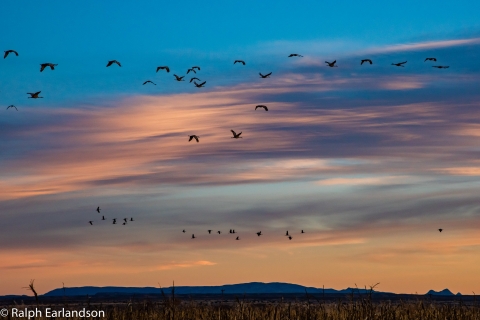
Bernardo Waterfowl Area encompasses 1,700 acres along the Rio Grande River, forming part of New Mexico’s Ladd S. Gordon Waterfowl Complex. The area was established to provide habitat and food for waterfowl migrating along the Central Flyway. Each fall and winter, the area’s fields create resting and feeding habitat for birds. As the Rio Grande corridor fills with migrating birds, visitors can watch waterfowl gathering across the wetlands and agricultural fields, with the possibility of seeing flocks of sandhill cranes that use the river valley during migration. The area is a popular destination for wildlife watchers and photographers and hunters can take advantage of harvest opportunities during the hunting season.
Minnesota’s Lac qui Parle Wildlife Management Area
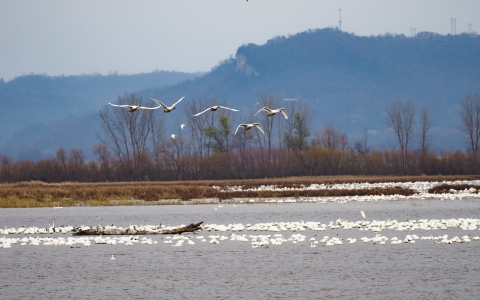
Nestled in the Minnesota River Valley, Lac qui Parle Wildlife Management Area is a popular destination for birdwatchers and hunters with more than 24,000 acres of wetlands, grasslands, woodlands, and open water, including Lac qui Parle Lake and Marsh Lake. Its name, French for “lake that speaks,” is particularly fitting in autumn, when the calls of thousands of migrating birds fill the air. Located along the Mississippi Flyway, the area provides critical resting and feeding habitat for waterfowl and other migratory birds making their seasonal migration. Each fall, thousands of Canada geese and ducks gather creating an impressive spectacle of sight and sound. By November, migrating tundra swans, also known as whistling swans, arrive, adding their distinctive calls to the seasonal choir.
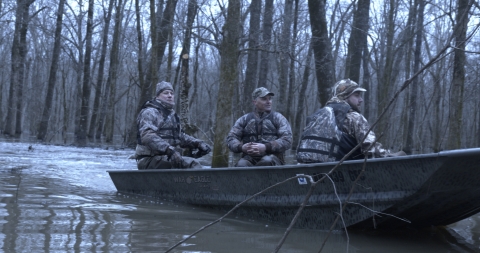
Arkansas’ Bayou Meto Wildlife Management Area
Bayou Meto Wildlife Management Area encompasses more than 33,000 acres of hardwood forests, wetlands, lakes, and seasonally flooded habitat in central Arkansas. Each fall, thousands of acres are flooded to provide food and shelter for migrating and wintering waterfowl, making Bayou Meto a premier destination for duck hunters and bird watchers.Look for wood ducks, geese, and other waterfowl moving through the Mississippi Flyway. The area also supports deer, turkey, and a variety of other wildlife. Bring a pair of binoculars, a camera, or your hunting gear and experience one of Arkansas’ iconic wetland landscapes during the height of the fall migration.
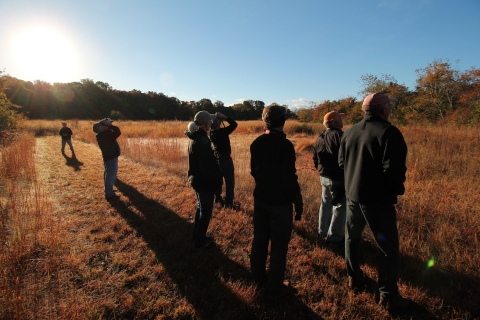
Cape May’s Higbee Beach Wildlife Management Area:
Higbee Beach Wildlife Management Area is roughly 1,100 acres of state-managed land featuring dunes, forest, scrub-shrub, and fields that conserve habitat for wildlife. Cape May is known world-wide for its spectacular fall migrations that result in millions of birds stopping on the peninsula during their journey along the Atlantic Flyway. You can expect to see a plethora of birds on the WMA, including songbirds, raptors, and shorebirds. During the fall migration season, Higbee Beach is famous for its morning songbird flight with thousands of birds passing overhead. Bring binoculars and field guides to make the most of your visit, as the WMA is renowned for its rich biodiversity.
Plan Your Migration Visit
Federal excise tax funding helps conserve and maintain Wildlife Management Areas and other conservation lands that provide essential habitat for birds along their migration routes. They also give people places to experience the journey firsthand, whether that means watching waterfowl gather on a wetland, spotting hawks overhead, or heading out for a morning hunt.
Before you go, check local area regulations, access information, weather conditions, and recent bird sightings. Migration can change quickly and a cold front may bring new arrivals, while wind and other weather conditions can influence when and where birds move. Check seasonal hunting rules and plan accordingly if you intend to hunt.