Restoring a Haven for Caribbean Seabirds
Offshore cays within Virgin Islands National Park (VINP) once supported thriving seabird colonies, providing essential nesting habitat for species such as the Red-billed Tropicbird, Roseate Tern, and Laughing Gull. Today, seabirds throughout the Caribbean face mounting challenges, including predation by invasive rodents that consume eggs and chicks, contributing to declining populations and failed nesting attempts.
To learn more about invasive species invasive species
An invasive species is any plant or animal that has spread or been introduced into a new area where they are, or could, cause harm to the environment, economy, or human, animal, or plant health. Their unwelcome presence can destroy ecosystems and cost millions of dollars.
Learn more about invasive species and island restoration, read Restoring Island Ecosystems.
Assessing Threats to Nesting Habitat
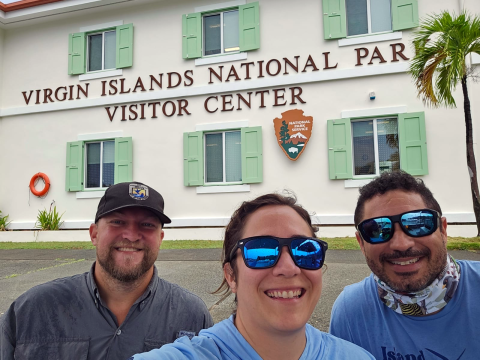
To help address this threat, the U.S. Fish and Wildlife Service’s (Service) Caribbean Coastal Program partnered with Island Conservation, a nonprofit organization dedicated to restoring island ecosystems by removing invasive species. The project assessed six offshore cays managed by VINP to determine whether non-native mammals were present and identify potential threats to seabird nesting habitat.
First funded in 2024, the project combined historical seabird survey records with on-the-ground assessments conducted in December 2025. The results will help conservation partners better understand the threats facing these islands and identify opportunities to restore and protect critical nesting habitat. Friends of the Virgin Islands National Park provided additional financial support, strengthening this collaborative effort to safeguard Caribbean seabirds.
Partnerships Make Conservation Possible
Local expertise and strong partnerships were essential throughout the project. The U.S. Virgin Islands Division of Fish and Wildlife contributed historical data from its annual seabird surveys around St. John. Coastal Program biologists, VINP natural resources staff, and Friends of the Virgin Islands National Park worked alongside Island Conservation to coordinate project planning and field assessments.
Groundwork for Island Restoration
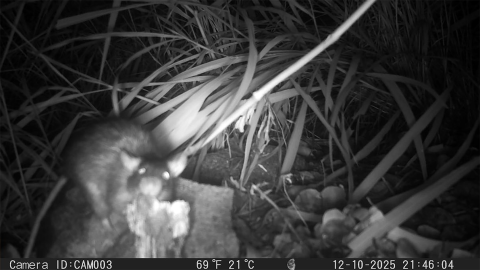
Although the analysis is incomplete and additional surveys may be conducted, preliminary survey results documented five cays with black rats and one cay with green iguanas, another invasive species.
The assessment findings will guide VINP in determining appropriate management and restoration actions, including measures to prevent invasive mammals from returning. Following any necessary removal efforts, conservation partners can pursue additional techniques to encourage seabirds to reclaim these islands. These approaches may include sound-attraction devices that use seabird calls to encourage birds to establish nesting colonies. Similar methods have supported seabird restoration on Desecheo Island National Wildlife Refuge in Puerto Rico.
Watch Desecheo – An Island Reborn to see how island restoration can help native wildlife recover.
By identifying threats and laying the groundwork for future restoration, this partnership advances a shared vision for healthier coastal ecosystems and thriving seabird populations throughout the U.S. Virgin Islands. The project supports the Coastal Program’s strategic goals and regional conservation priorities, the U.S. Virgin Islands Wildlife Action Plan, and the National Park Service’s mission to preserve natural resources.
Led by Island Conservation, with support from the National Park Service and the U.S. Fish and Wildlife Service, this effort demonstrates how science, collaboration, and targeted conservation investments can protect vital nesting habitat and help seabird populations thrive and flourish.