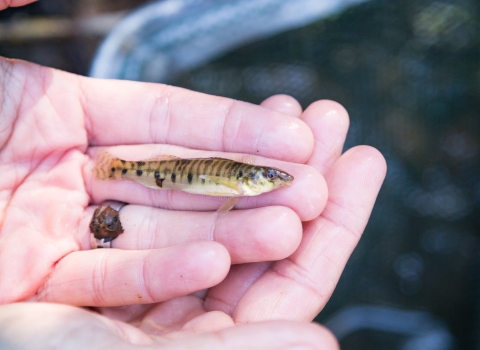
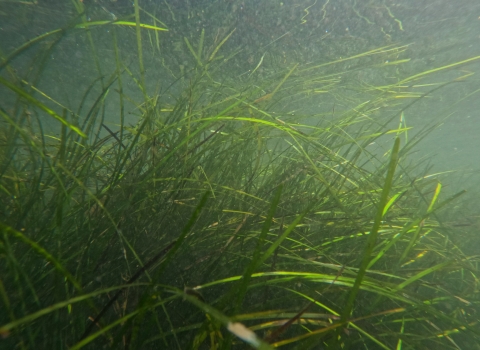
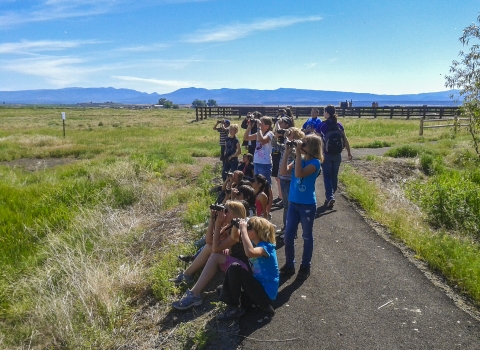
Within a high-mountain creek of the Gila Wilderness in southwest New Mexico lives the Iron Creek lineage, one of the five remaining populations of the threatened Gila trout. For years, the Gila Trout Recovery Implementation Team wanted to retrieve trout from this isolated creek to retain the genetic diversity of the species in captivity, but the difficult terrain and frequent wildfires made the trip nearly impossible. In 2026, the Hummingbird Fire burned approximately 5,720 acres of the Gila National Forest in May, followed closely by the Sacaton Fire in July which burned approximately 9,861 acres. Both wildfires destroyed the only trail to Iron Creek. Rain forecasted after the Sacaton Fire threatened the trout’s habitat, which required the team to take swift and coordinated action to evacuate the fish. Thanks to prior planning and clear communication, this multi-agency effort successfully rescued 78 Gila trout.
At its peak, nearly 170 personnel were involved in the Sacaton Fire response, including Forest Fish Biologist with the U.S. Forest Service, Eileen Henry. “As the Forest Fish Biologist and as a member of the Gila Trout Recovery Implementation Team, I am constantly trying to advocate for various species in the Gila Forest,” said Henry. “We have had to evacuate and rescue fish from several wildfires on the Gila National Forest, so I knew the process and knew our interagency team was prepared with the right equipment to get the job done. We tend to be on standby when we know a fire is burning in an area of high concern with Gila trout.”
Wildfires pose the greatest threat to Gila trout. It is not the fire that directly kills them. After severe wildfires, monsoonal rainstorms carry ash, mud and debris into the waterways and can suffocate the fish. The team saw this looming threat and were especially concerned as the Iron Creek population is invaluable.
The Iron Creek population is entirely wild (non-hatchery raised) and comes from a distinct lineage that is genetically different from the other four lineages of Gila trout. Genetic diversity supports resiliency and helps the species’ long-term viability.
“Iron Creek contributes to the overall genetic lineage of Gila trout,” said New Mexico Department of Wildlife’s Gila Trout Biologist Dan Trujillo. “It is a relict lineage and evolved in the Middle Fork of the Gila River. By saving this population, we are preserving the unique characteristics of the Gila trout.”
The Coordinated Rescue
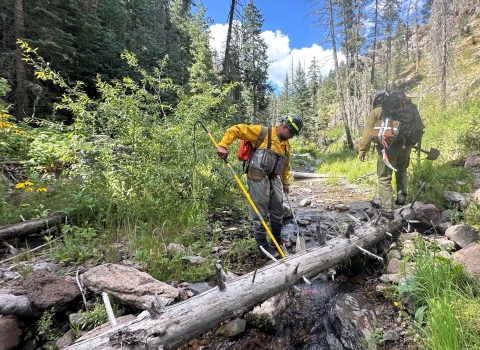
After prioritizing the safety of everyone involved in the mission, the team focused on saving the Iron Creek lineage, having only a small window of time to retrieve the trout before the storms rolled in. With a sense of nervousness and anticipation, Henry, Trujillo, and Jose Delgado, Gila National Forest Wildlife Biologist, took a helicopter into the active fire zone near Iron Creek. These fish biologists have wildland firefighter training and maintain their certifications for such occasions.
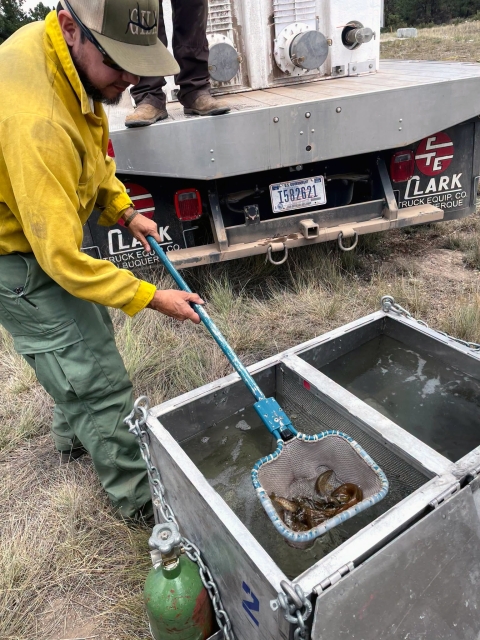
The helicopter dropped the trio off near their target. The fish biologists hiked carefully down to the creek and spent the morning collecting Gila trout. They temporarily stunned the fish using electrical current (this does not harm the fish), netted 78 Gila trout and placed them in an oxygenated aluminum tank. The fish were then airlifted out of the canyon and to the staging area.
“Although this rescue was very exciting and happened very quickly, it was still part of the expected recovery operations for Gila trout,” said Serena Kucera, fish biologist with the Service’s New Mexico Fish and Wildlife Conservation Office. “We have a written Gila trout evacuation plan for just this exact situation. The rescue was well planned out and discussed before it occurred and it was a big cross-agency effort, including the Forest Service, New Mexico Department of Wildlife, and Arizona Game and Fish.”
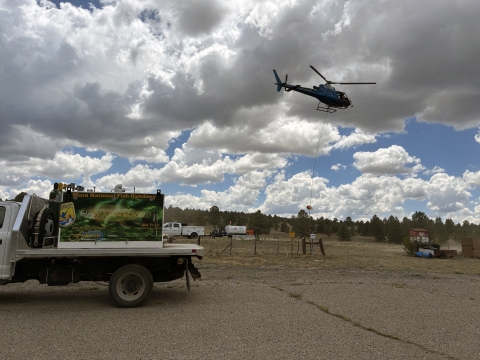
Once Daniel Gallegos, Project Leader at Mora National Fish Hatchery, learned that the team would collect the Iron Creek population, he loaded the truck with ice buckets and set out on the road. He arrived in the Gila Wilderness early and checked the water temperature of the fish tanks, making sure it was cool enough for the high-mountain fish—especially in the middle of summer. He then helped load the trout into the tanks and, following a long drive with frequent stops to check on the fish, Gallegos reached the hatchery and transferred them to their new permanent home.
Living their best life
“This past May, we disinfected and prepped the Iron Creek isolation system on station, anticipating that there was a high likelihood we're going to bring in wild Iron Creek fish,” said Gallegos. “More recently, we ordered meal worms and crickets because we feed wild fish a primarily live diet when they initially come on station. Currently, the rescued fish are in an isolated tank, at a 100% survival rate. They are living their best life.”
After genetic testing and analysis to ensure the most diverse offsprings, these individuals will be incorporated into the broodstock broodstock
The reproductively mature adults in a population that breed (or spawn) and produce more individuals (offspring or progeny).
Learn more about broodstock , contributing to future populations. Gallegos has seen great success at the Mora National Fish Hatchery in recent years by surpassing recovery stocking goals and providing surplus fish to New Mexico and Arizona for sport fishing. He expects the trend to continue. The plan is for the offspring of Iron Creek to return to streams in New Mexico and Arizona, primarily for recovery purposes but to also give anglers a chance to catch them.
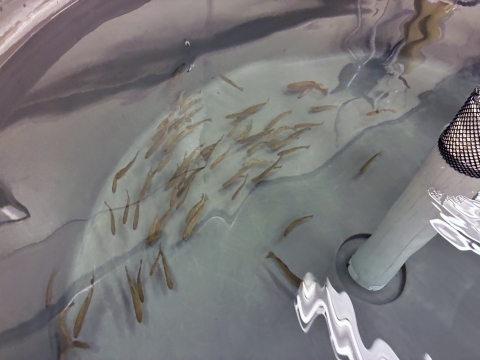
While still focused on responding to wildfire and protecting life, community and property, the Sacaton Fire response team contributed to saving an irreplaceable, threatened species. On the surface, retrieving 78 Gila trout may not seem like a lot. However, these fish contain a wealth of genetic information that once lost, cannot be replaced. Without these efforts, there is a high likelihood that the genetic diversity of this distinct lineage would vanish forever.
“It is notable that we had 100% survival rate,” said Trujillo. “Relocating fish can be particularly hard on the fish and is stressful. With advanced planning and the hatchery’s expertise, these teams, the Sacaton Fire response team and the Gila Trout Recovery Implementation Team, made sure the Gila trout, along with their genetics, survived.”