Buenas yan Hafa Adai, i na’an-hu si Hannah - Greetings & hello, I’m Hannah. Since 2025, I have had the privilege to be the first hybrid AmeriCorps Kupu Members at the Guam National Wildlife Refuge at Ritidian. As a CHamoru woman born and raised on this beautiful island of Guam, I have always felt a deep responsibility to connect with, learn about, and share the rich cultural and natural heritage of my home. My desire to deepen my understanding of my CHamoru cultural heritage and Chamoru history inspired me to earn a bachelor’s degree in Anthropology. I’m proud to have a strong connection to Litekyan, the indigenous CHamoru place name of Ritidian, and its cultural significance after spending a lot of time here as a former volunteer and as a Kupu member.
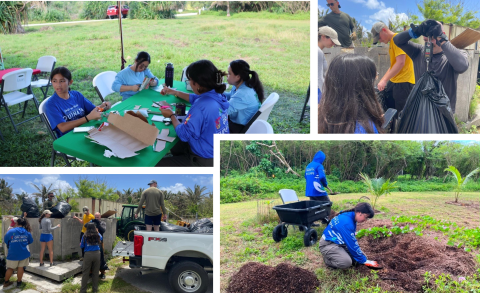
Before earning my degree, I started as a volunteer with the U.S. Fish & Wildlife Service at the Guam National Wildlife Refuge from 2022 to 2023. This experience opened my eyes to the importance of conservation and inspired me to get involved with protecting Guam’s natural and cultural resources. Under the guidance of the Park Ranger, I gained hands-on experience working with visitors to provide information on things to do, rules and regulations, and wildlife they might see on their visit. I also worked with biologists and fellow volunteers on conservation projects in the field. More importantly, my time at the Ritidian helped me discover a career path that gave me a true sense of purpose. Through this experience, I grew passionate about working outdoors, connecting with my community, and teaching others about the surrounding space.
The opportunity to learn more about native plants of Guam excited me when I learned about the hybrid position. I saw this as a way to expand on the responsibilities I enjoyed as a volunteer. At the same time, I was nervous, as biology was completely new and out of my comfort zone. With the support of my team, I quickly adapted and gained confidence in my abilities. This role pushed me to become more vocal in leadership settings, confident to coordinate and host our Invasive Vine Removal Project, which had begun after Typhoon Mawar to restore native forest and protect native plants from invasive species invasive species
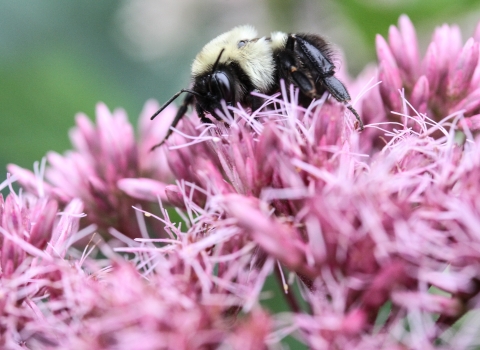
An invasive species is any plant or animal that has spread or been introduced into a new area where they are, or could, cause harm to the environment, economy, or human, animal, or plant health. Their unwelcome presence can destroy ecosystems and cost millions of dollars.
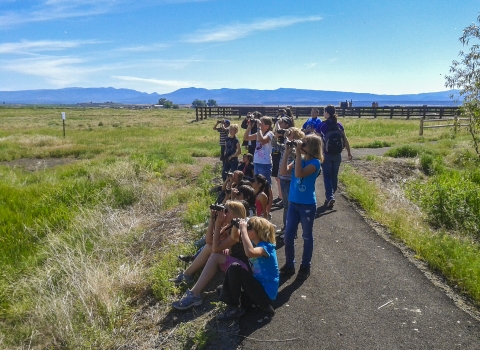
Learn more about invasive species . I also expanded my experience in visitor services by hosting school groups during field trips, conducting outreach at community and school events, and guiding interpretive tours for visitors. I gained so much hands-on experience in plant care, fanihi (Mariana Fruit Bat) dropping surveys, sea turtle nest monitoring, and outplanting native plants.
One of the greatest lessons I have learned through this work is that conservation is a continuous journey of learning. No one has all the answers, regardless of their experience, and that is what makes this field so rewarding. Everyday presents an opportunity to learn, adapt and grow. It requires you to find creative solutions and be resourceful with what you have. As long as you remain open-minded and embrace new challenges, the lessons you gain will continue to shape your path and open new possibilities. With these strong roots, I’ll always continue to grow.