We in the U.S. Fish and Wildlife Service know that national wildlife refuges play a key role in the recovery of many endangered species. We also know that sometimes our best work to that end happens quietly, behind the scenes. Let’s take a moment to recognize what is perhaps one of our best kept secrets and lesser-known refuges as they celebrate 35 years of conservation.
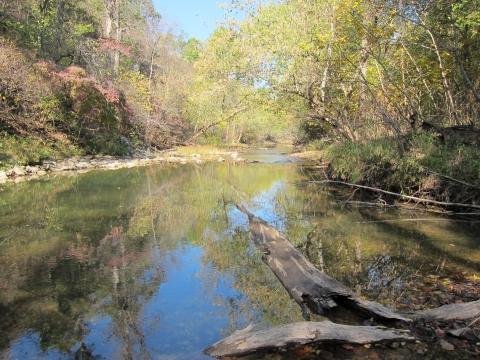
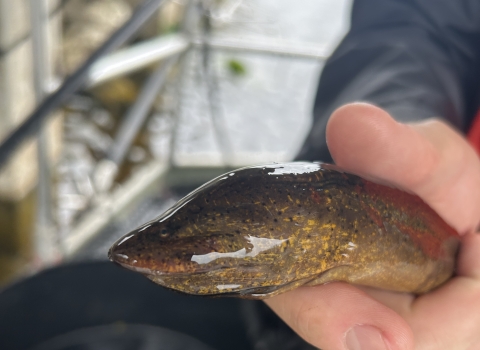
Ozark Cavefish National Wildlife Refuge in Missouri, has been protecting sensitive cave habitat since the October 22, 1991. This 40-acre refuge protects Turnback Creek Cave Spring and is the outlet of an underground stream. The refuge takes its name from the two and a quarter inch-long, blind, pinkish-white fish which was listed as a federally threatened species in 1984. Ozark cavefish live in caves, sinkholes and underground springs that are untouched by light in Arkansas, Missouri and Oklahoma.
Together with our partners at Paris Springs Conservation Area, which is adjacent to the refuge, we have been able to protect these important habitats across state and federal land designations. This state conservation area conservation area
A conservation area is a type of national wildlife refuge that consists primarily or entirely of conservation easements on private lands. These conservation easements support private landowner efforts to protect important habitat for fish and wildlife and major migration corridors while helping to keep agricultural lands in production.
Learn more about conservation area has the same conservation mission to protect Turnback Cave and the Ozark cavefish populations and Missouri Department of Conservation staff have been an invaluable on-site manager, helping to limit public access to the protected cave. They also work with landowners in the recharge zone of Turnback Cave to help with conservation efforts.
Early settlers often found Ozark cavefish swimming in their buckets as they drew water from their wells. They called the fish spring keepers or well keepers as a sign that the water was safe to drink. Today, they are still a sign of good water quality. With sight unnecessary in the dark environment of the cave, cavefish don’t have eyes. Instead, these fish sense the motion given off by organisms in the water such as plankton, isopods, amphipods, crayfish, salamander larvae and even bat guano. Some threats to the Ozark cavefish include water pollution and declining bat populations, as the cavefish feeds on guano. Specimen collection, cave disturbance and destruction, as well as changing water tables also have a negative impact.
Turnback Cave consists of Mississippian-aged limestone bedrock. It has interconnecting passages and is also home to the federally endangered gray bat. These types of caves often have very good water quality, but only if there’s no groundwater pollution. Groundwater pollution can occur from pesticides, chemical spills, agricultural runoff, road runoff, eroded soils and garbage which flow into the groundwater and travel for miles before finally entering recharge areas where the cavefish reside. These underground pools then replenish the groundwater supply where we get our drinking water.
The cave is closed to the public to help prevent spread of white-nose syndrome, a cold-loving fungus, which has caused the deaths of millions of bats across the country. White-nose syndrome has been detected in Missouri and we are working with state and federal agency partners to find answers to stop this mystery.
We can all help to protect the Ozark cavefish and caves by not entering caves, disposing of trash and other solid wastes properly, leaving a vegetation buffer between farm fields or homes and streams, properly maintaining septic tanks, controlling animal waste runoff, and retaining forested areas near cave entrances.
Learn more about Ozark Cavefish National Wildlife Refuge.