Jeff Drahota, Rainwater Basin Wetland Management District, Zach Lyall, Alaska Region Aviation, Tom Cooper, Division of Migratory Bird Management, Mike Malling, Minnesota Valley National Wildlife Refuge and Wetland Management District, USFWS, and Trey McClinton, Texas Parks and Wildlife Department
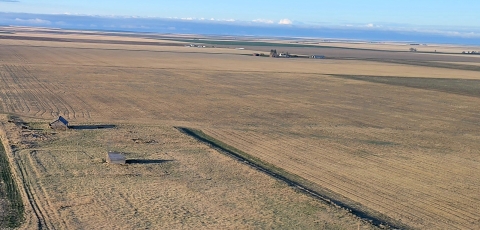
Eastern and southeastern Montana experienced an unusually dry and warm winter and spring again in 2025-2026. Winter weather forecasts indicated a La Niña pattern developed but the opposite weather conditions prevailed - warm and dry. Snowpack was well below average to the extent that the National Weather Service called it a “winter for the history books” for many high elevation sites. Winter ended up being the 8th driest on record. Record breaking warmth continued into the spring and very little precipitation contributed to poor wetland habitat across most of Montana. Northcentral Montana did experience near average precipitation in February-April, but warmer temperatures negated any real benefits to wetlands. Ultimately, over 60% of the Montana surveyed area was in moderate to severe drought during the survey.
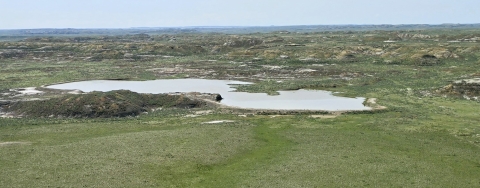
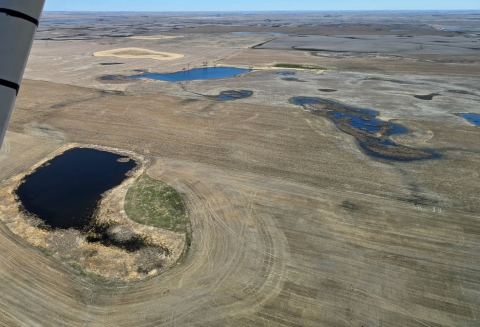
Western North and South Dakota both experienced below average winter precipitation, but South Dakota was notable at 30-60% below average. In fact, South Dakota experienced the 5th driest winter on record. With above average temperatures across the western Dakotas, most natural wetlands were dry apart from a few semipermanent basins holding onto some water that may not exist come brood rearing season. The only promising areas for duck production were in west-central North Dakota. These areas were cooler than average in early May and benefited from nearly average rainfall. However, if no significant rainfall occurs soon, initiated and/or hatched nests may have very low fledgling success.
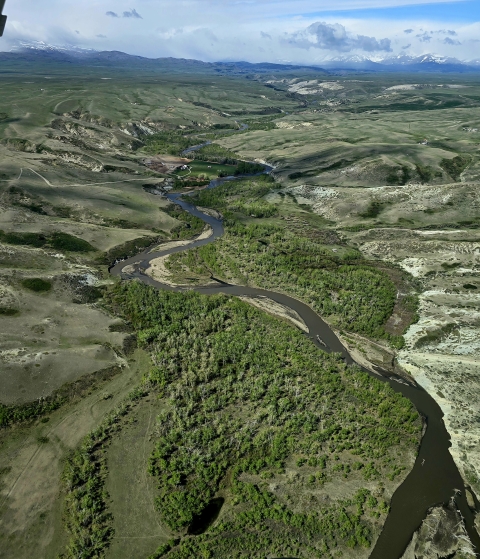
Due to the dry conditions and the scarcity of natural wetlands, waterfowl production is expected to be poor across much of this crew area. The Missouri River Plateau in northcentral Montana, northwestern portion South Dakota, west-central North Dakota may provide fair recruitment if precipitation continues to sustain the previously saturated wetlands where most of the ducks settled. These areas do have more natural wetlands, and even though around 75% had water during the survey, those basins were ponded at less than 40% capacity. Additional drying is likely if the drought persists.