Tamara Zeller, Heather Wilson, Wade Schock, Alaska Region Migratory Bird Management, and Brett Nigus, Alaska Region Aviation, USFWS
Spring 2026 across Alaska and Old Crow Flats in Yukon brought a mix of early thaw, lingering snow, and changing wetland conditions that were strongly influenced by the unusually warm fall and stormy winter of 2025–26. Southern and western Alaska generally thawed earlier than normal, while northern and Interior regions remained colder with later river breakup and snowmelt.
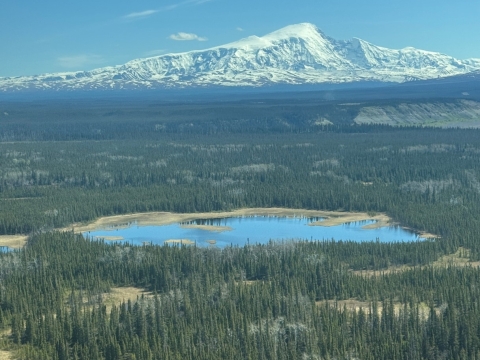
In Southcentral Alaska, warm periods in April and May rapidly melted snow at lower elevations, filling wetlands, ponds, and rivers with runoff that created good habitat conditions for breeding waterfowl. Higher mountain areas retained significant snowpack, which continued feeding rivers and wetlands into late spring.
Interior Alaska saw a more dramatic spring transition. Deep winter snow and cold temperatures delayed warming early in the season, but longer daylight in April quickly accelerated melting and river breakup. Wetlands and ponds generally received good recharge from snowmelt, although severe flooding along parts of the Yukon River reduced habitat availability in some areas.
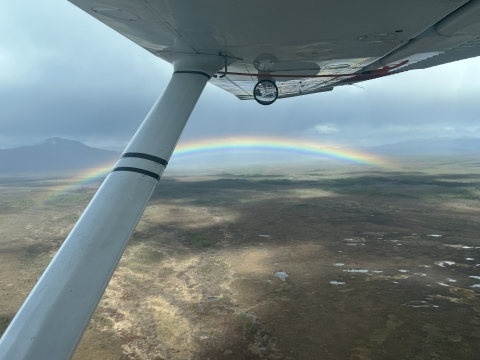
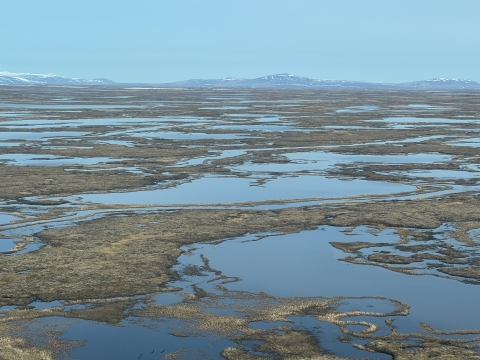
Southwest Alaska and the Yukon-Kuskokwim Delta entered spring with abundant moisture and good snow cover from repeated Bering Sea storms during winter. As thaw progressed, tundra wetlands and shallow ponds filled with water, creating favorable early nesting habitat for migratory birds. However, lingering coastal ice and stormy weather may have delayed nesting for some species. The long-term ecological impacts of ex-typhoon Halong from fall 2025 remain uncertain, though visible tundra damage and landscape changes occurred in some coastal areas.
Northwest Arctic Alaska experienced a colder and later spring. Persistent sea ice and Arctic weather delayed warming, leaving snow cover in place well into May. As melting finally accelerated, shallow flooding spread across tundra lowlands, temporarily improving habitat conditions for breeding waterfowl and shorebirds.
In Old Crow Flats, Yukon Territory, spring arrived gradually but produced widespread flooding of marshes, shallow lakes, and wetlands as snow and ice melted. These flooded wetlands will likely create productive habitat for migratory birds during nesting season, although some areas remain slow to green up because of lingering snow and ice. Overall, wetland conditions across much of Alaska and Old Crow Flats were generally favorable for waterfowl entering the 2026 breeding season.