Military Appreciation Month is about recognizing service. It also gives us a chance to highlight something many people do not realize. Conservation and national defense are deeply connected.
Across the United States, conservation and our military intersect in ways many people never see. Military installations provide habitat for wildlife. Veterans continue their service in conservation careers. Partnerships between agencies help ensure both mission readiness and environmental stewardship.
As the country marks the Freedom 250 celebration, this connection is part of a broader story about the people and places that have shaped the nation.
Here are five reasons it matters.

1. We partner with the Department of War to protect wildlife
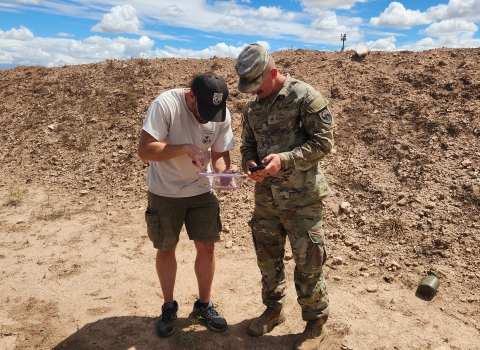
The U.S. Fish and Wildlife Service works closely with the Department of War to conserve fish, wildlife, and plants on military lands.
Through formal consultations, habitat conservation planning, and on-the-ground collaboration, these partnerships help balance operational needs with environmental responsibility.
Much of this work is guided by the Sikes Act of 1960, which promotes effective natural resource planning and collaboration on military lands. The law requires conservation goals to be developed jointly and documented in Integrated Natural Resources Management Plans.
This work supports species protected under the Endangered Species Act while allowing military training and testing to continue.

2. Military installations are unexpected wildlife havens
Military lands often support a surprising level of biodiversity.
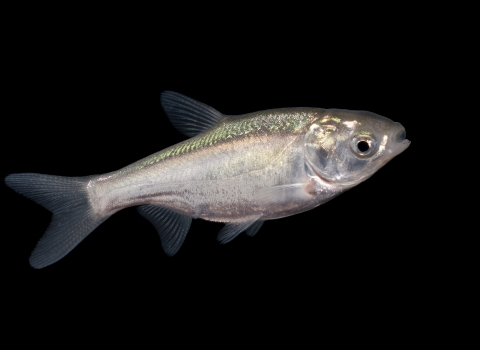
Because many of these areas have remained undeveloped for decades, they provide refuge for species that have lost habitat elsewhere. Installations across the country support hundreds of threatened and endangered species, and military conservation has significantly aided recovery achievements including downlistings and delistings of species like the red-cockaded woodpecker, Okaloosa darter, and five species endemic to San Clemente Island, California.
From longleaf pine ecosystems in the Southeast to desert landscapes in the Southwest and coastal habitats along both coasts, these lands play a critical role in conservation. In some cases, they are among the best remaining habitats for certain species.
Some military installations are even recognized through the annual Military Conservation Partner Award, which highlights on-the-ground conservation successes driven by strong partnerships and habitat restoration efforts.

3. Veterans and service members are part of our workforce
Veterans are an important part of the U.S. Fish and Wildlife Service workforce.
They serve as biologists, refuge managers, grants specialists, law enforcement officers, wildland firefighters, and more. Many bring specialized skills in leadership, logistics, and operations that translate directly into conservation work.
Their continued service helps protect wildlife and supports outdoor recreation opportunities for millions of people each year.

4. We work together to combat wildlife trafficking and environmental crimes
The U.S. Fish and Wildlife Service works closely with military partners and other federal agencies to investigate and prevent wildlife trafficking and related environmental crimes.
From intelligence sharing to joint training and operations, these partnerships help disrupt illegal trade networks that threaten imperiled species around the world.
Whether it is stopping illegal imports at ports of entry or supporting international enforcement efforts, this work protects wildlife and upholds the rule of law.

5. Military communities are part of the conservation community
Service members and veterans are deeply connected to the outdoors.
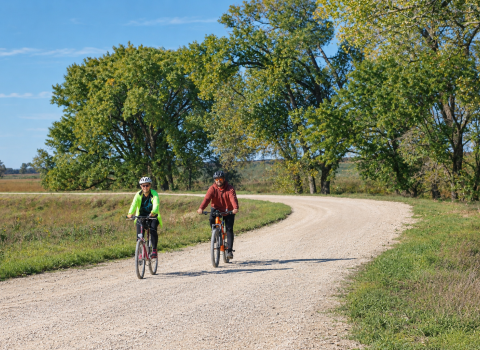
They hunt, fish, hike, birdwatch, and spend time on public lands, including national wildlife refuges. These activities support conservation funding, contribute to local economies, and strengthen connections to nature.
Programs like the America the Beautiful Interagency Military Pass provide free access to public lands for current service members and veterans.
These opportunities support recreation and continued engagement with the natural world.

Military Appreciation Month is a time to recognize the people who serve. It is also a time to recognize the partnerships and shared values that connect national defense and conservation.
As we celebrate Freedom 250, we reflect on a national story shaped not only by those who have defended the country, but also by those who continue to care for its lands, waters, and wildlife.
Both are part of the same American legacy.