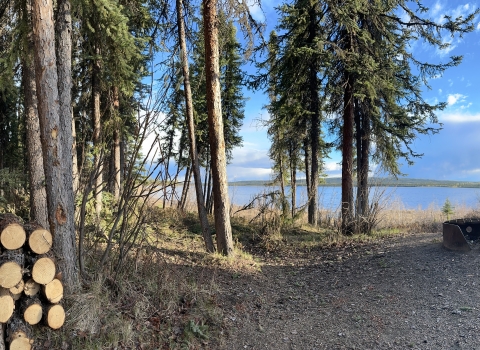
The University of Wisconsin-Green Bay’s (UWBG) Cofrin Center for Biodiversity is restoring over 100 acres of diverse habitat by eradicating invasive plants on the Door County Peninsula in Wisconsin. The project is located on the UWGB-owned Wequiock Creek Natural Area and Point Sable Natural Area.
The sites contain degraded woodland, prairie, emergent marsh southern dry-mesic forest, and woodland swamp. The project is being supported by the Great Lakes Coastal Program and Great Lakes Restoration Initiative. They are also providing funding to hire seasonal staff for invasive species invasive species
An invasive species is any plant or animal that has spread or been introduced into a new area where they are, or could, cause harm to the environment, economy, or human, animal, or plant health. Their unwelcome presence can destroy ecosystems and cost millions of dollars.
Learn more about invasive species monitoring and retreatments. Green Bay, which is the largest freshwater estuary in the world, in addition to providing critical habitat to neotropical migratory birds, is a world class fishery and the ancestral home of Menominee, Ho-Chunk, and Potawatomi People, and holds significance to the Oneida Nation.

A unique assemblage of species will benefit from the completion of this project. Canada Warblers, Northern Long-eared Bats, Monarch Butterflies, Rusty Patched Bumble Bees, along with numerous other state-listed species and species of special concern, will all have crucial habitat restored for foraging and nesting, as well as providing critical stop-over habitat for many migratory birds that visit Green Bay every year.
This project will restore and help maintain this environmentally and historically rich environment, improving water quality in the Wequiock Creek and habitat connectivity in the natural areas.