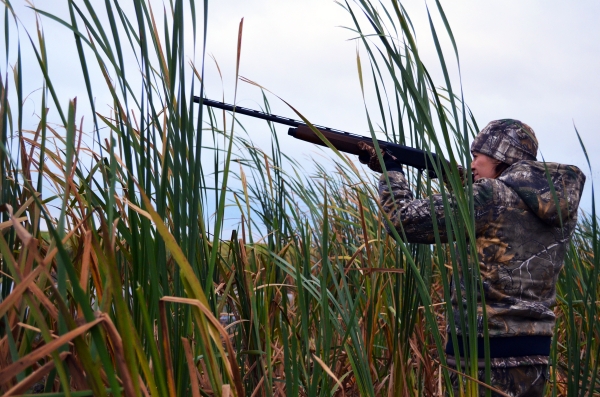
Ash Meadows National Wildlife Refuge provides specialized habitat for more than 26 species found nowhere else on Earth. The uplands and marshes provide homes for several species that are legally hunted under Nevada’s Small Game Regulations. Hunters can pursue their quarry on most of the refuge during the appropriate small game seasons. A flyer may be picked up at several hunting kiosks and Visitor Center. This flyer provides information and a map of open/closed areas for hunting. Waterfowl hunters may hunt by foot only. Due to thick cover in places, a retrieving hunting dog can help to find downed birds. Please keep all dogs, clothing, and equipment weed free and clean of aquatic hitchhikers.
2026-27 AMNWR Hunting Updates
Seasonal hunting brochures are available online and at the Visitor Center (open 9 to 4 every day). Please view the current brochure before planning your hunting trip to Ash Meadows NWR.
Last year, hunters reported low Gambel’s quail harvest and moderate mourning dove harvest. This spring and summer, refuge staff have observed a significant increase in quail on the refuge.
Because of the heavy rain last fall and winter, there is now thick new brush and understory across many areas. Hunters should be prepared for challenging hikes through dense vegetation.
Please remember to:
- Use clean hunting gear
- Brush down your dogs
- Keep yourself and your dogs out of the water
These steps help prevent the spread of invasive species invasive species
An invasive species is any plant or animal that has spread or been introduced into a new area where they are, or could, cause harm to the environment, economy, or human, animal, or plant health. Their unwelcome presence can destroy ecosystems and cost millions of dollars.
Learn more about invasive species .
Boating is prohibited year-round on all refuge reservoirs and waterbodies, including during waterfowl season.
- Crystal Springs Reservoir is still dry.
- Peterson Reservoir remains difficult to access due to cattails and vegetation.
- Horseshoe Reservoir was treated with a prescribed burn prescribed burn
A prescribed burn is the controlled use of fire to restore wildlife habitat, reduce wildfire risk, or achieve other habitat management goals. We have been using prescribed burn techniques to improve species habitat since the 1930s.
Learn more about prescribed burn in February 2026; some open water remains, but cattails have grown back quickly.
If the refuge receives heavy rain, road closures are likely to occur. For current road conditions, open areas, or closure information, please call 775-372-5435 or view our Facebook page.
Biosecurity Reminders
Please help us protect the refuge from invasive plants and aquatic species. Make sure all boots, equipment, and hunting dogs are free of seeds and vegetative debris, especially if moving on and off the refuge. Dry your boots and waders out completely before coming onto the refuge and before moving between reservoirs and wetted areas. If you have questions or need assistance, contact the refuge manager.