Gopher frogs (Lithobates capito) are listed in South Carolina as endangered and are being considered for listing under the federal Endangered Species Act. In 2019 a gopher frog headstart program began in South Carolina as a collaborative effort between the South Carolina Department of Natural Resources, Amphibian and Reptile Conservancy, the US Forest Service, and the USFWS South Carolina Ecological Services Field Office, and the Bears Bluff National Fish Hatchery.
From 2019 to 2021, the team has released a total of 726 gopher frogs. Similar headstart projects are currently underway in North Carolina, Georgia and Alabama. Gopher frogs have fallen to near or below undetectable levels in many locations throughout its range. The conservation strategy to increase the frog's chances for survival calls for headstarting; surveying and detecting new gopher frog populations; and restoring occupied and unoccupied habitat. We work with land managers and private landowners to improve habitat conditions so captive reared gopher frogs have healthy places to return to in the wild.
What is a gopher frog hearstart program?
Gopher frogs, primarily an upland species, travel to temporarily flooded wetlands in late winter or early spring to breed. Egg masses are collected from the Francis Marion National Forest, reared in captivity at Bears Bluff National Fish Hatchery until they become young froglets and then returned and released back to their place of origin.
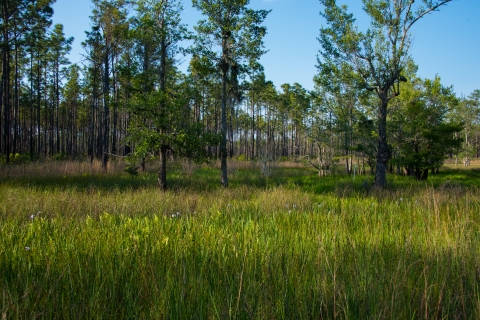
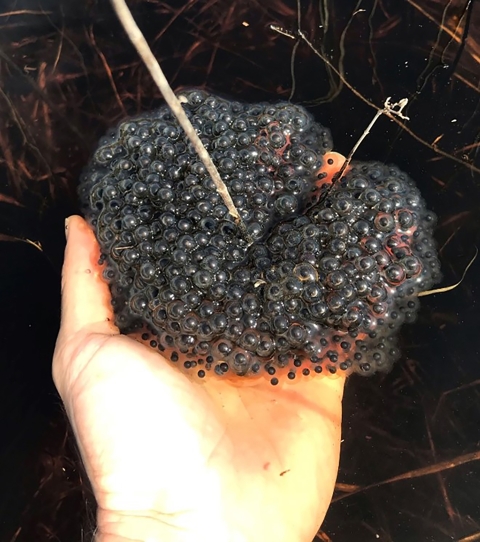
Eggs collected from the wild are transferred to the USFWS Bears Bluff National Fish Hatchery where they are kept indoors until they transform into tadpoles. Once the tails are fully absorbed, the frogs are transported and released into the wild at the Francis Marion National Forest.
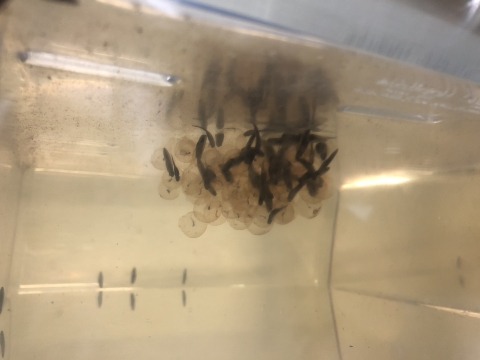
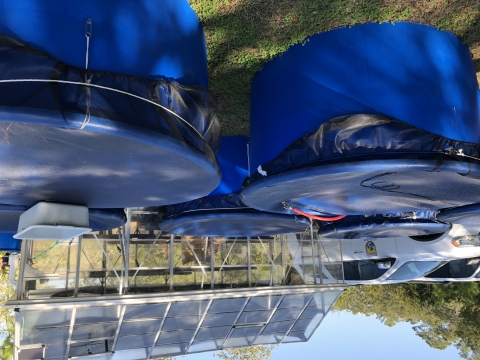
Once the eggs are hatched, tadpoles are moved outside, to outdoor mesocosms - artificial ponds that simulate wild conditions- where they receive plenty of nutrients and optimal water quality to develop without the pressures of predation and increased chances of survival.
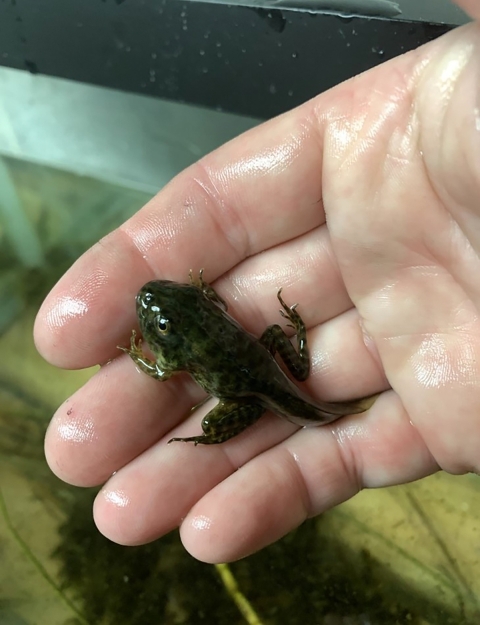
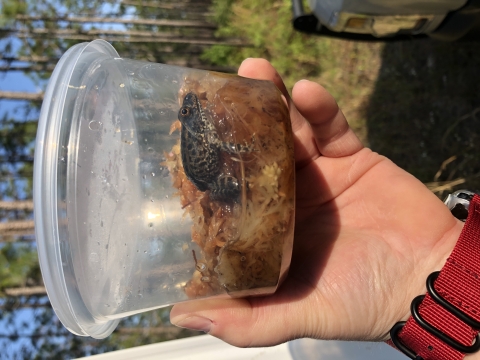
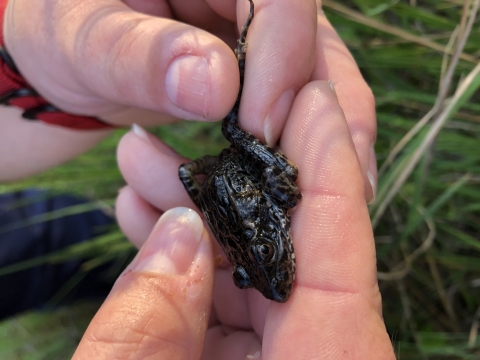
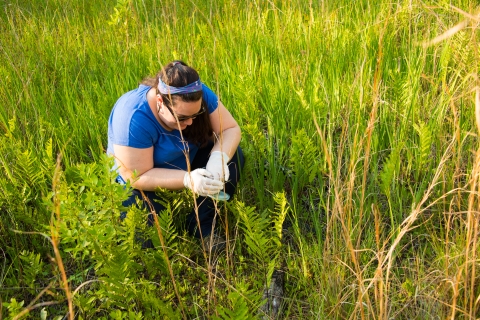
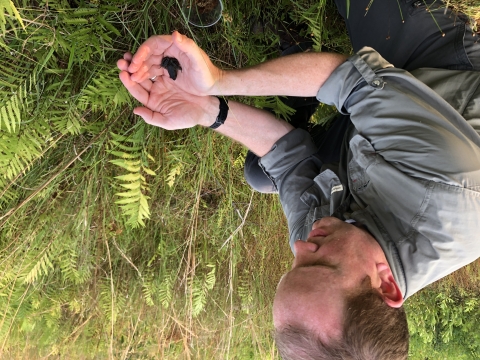
In closing, headstarting gives gopher frogs a favorable and promising beginning in the wild. Dedicated professionals collect the eggs from temporary wetlands in the longleaf pine ecosystem to raise them in captivity. Having survived the most vulnerable developmental stages, young, adult frogs return to their place of origin. The Service will continue to pursue collaborative and proactive conservation amongst the Service and our partners to stabilize and reverse population decline trends, avoid extinction, and help secure the gopher frogs continued existence well into the future.