Annual-Report-Whooping-Crane-Recovery-2022-Aransas.pdf

Author(s)
Janess Vartanian
John Conkin
Publication date
Type of document
Annual Report
Facility
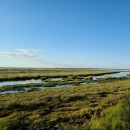
Coastal marsh under a bright blue sky
Aransas National Wildlife Refuge is best known as the wintering home of the last wild flock of endangered whooping cranes. Visitors can enjoy stunning scenery, a diversity of wildlife, and a variety of recreational opportunities.
Program
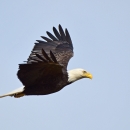
A large bird with brown feathers, white head, and yellow beak flies against a pale blue sky
The Migratory Bird Program works with partners to protect, restore and conserve bird populations and their habitats for the benefit of future generations by: ensuring long-term ecological sustainability of all migratory bird populations, increasing socioeconomic benefits derived from birds,...
A bright blue sky obstructed by fluffy white clouds reflected off of a stream shot from inside a kayak
The U.S. Fish and Wildlife Service manages an unparalleled network of public lands and waters called the National Wildlife Refuge System. With more than 570 refuges spanning the country, this system protects iconic species and provides some of the best wildlife viewing opportunities on Earth.
Species
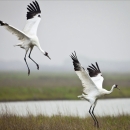
Two large white birds with spindly legs and black tips on their wings coming in for a landing in a wetland

The whooping crane occurs only in North America and is North America’s tallest bird, with males approaching 1.5 m (5 ft) when standing erect. The whooping crane adult plumage is snowy white except for black primaries, black or grayish alula (specialized feathers attached to the upper leading end...

FWS Focus
FWS and DOI Region(s)