


What We Do
Wildlife Conservation
Wildlife conservation is at the heart of the National Wildlife Refuge System. It drives everything on U.S. Fish and Wildlife Service lands and waters managed within the Refuge System, from the purposes for which a national wildlife refuge national wildlife refuge
A national wildlife refuge is typically a contiguous area of land and water managed by the U.S. Fish and Wildlife Service for the conservation and, where appropriate, restoration of fish, wildlife and plant resources and their habitats for the benefit of present and future generations of Americans.
Learn more about national wildlife refuge is established to the recreational activities offered to the resource management tools used. Using conservation best practices, the Refuge System manages Service lands and waters to help ensure the survival of native wildlife species.
Great Meadows National Wildlife Refuge uses an array of management tools to ensure the conservation of species and habitats and to keep visitors educated, protected, and most importantly appreciating nature. From combating invasive species invasive species
An invasive species is any plant or animal that has spread or been introduced into a new area where they are, or could, cause harm to the environment, economy, or human, animal, or plant health. Their unwelcome presence can destroy ecosystems and cost millions of dollars.
Learn more about invasive species and comprehensive conservation planning to recreation management and everything in between.
America the Beautiful Interagency Passes
Due to reduced staff availability, sales of "America the Beautiful" passes at our location will be suspended until further notice. We apologize for the inconvenience.
To find an alternate purchase location please visit:
https://www.nps.gov/planyourvisit/pickup-pass-locations.htm
Orphaned or Injured Wildlife
Please do NOT drop-off orphaned or injured wildlife at any National Wildlife Refuge. You must contact a licensed wildlife rehabilitator. These individuals are trained to care for sick, injured or, in some cases, orphaned wildlife. Many rehabilitators specialize in caring for certain species of wildlife. The Massachusetts Division of Fisheries and Wildlife (MassWildlife) maintains a list of wildlife rehabilitators by region.
Management and Conservation
Refuges deploy a host of science-based management tools to address biological challenges. These tools span from active water management to wilderness character monitoring, all aimed at ensuring a balanced conservation approach to benefit both wildlife and people. At this refuge, our conservation tool box includes:
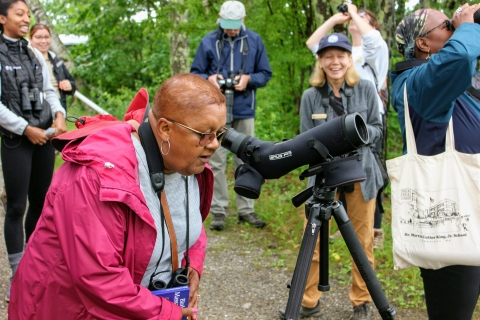
Planning – Comprehensive Conservation Plan
Compatibility Determinations
Environmental Education & Outreach
Invasive Species Monitoring and Management
Law Enforcement
Recreation Management
Species Research


Our Projects and Research
Most research, projects, and initiatives on the refuges comprising the Eastern Massachusetts National Wildlife Refuge Complex examine habitat management for migratory birds, various public land uses, rare, threatened, or endangered species and habitats, and invasive species invasive species
An invasive species is any plant or animal that has spread or been introduced into a new area where they are, or could, cause harm to the environment, economy, or human, animal, or plant health. Their unwelcome presence can destroy ecosystems and cost millions of dollars.
Learn more about invasive species control.
Law Enforcement
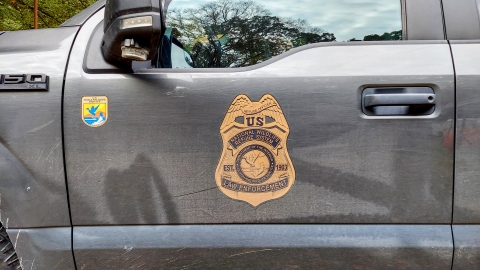
Eastern Massachusetts National Wildlife Refuge Complex law enforcement help visitors safely enjoy the refuges in the Complex, and respond to emergencies or violations, and protect vulnerable habitats and wildlife species.
Laws and Regulations
Various laws and regulations define the authority and responsibility for the Fish and Wildlife Service to conserve and preserve species, and habitats on federal land.