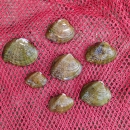
Featured Species
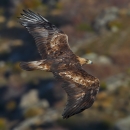
The Kansas Ecological Services Field Office currently works on 36 species as part of the Endangered Species Act (ESA) including 10 Endangered, 11 Threatened, 2 Proposed Endangered, 3 Proposed Threatened, and 10 Under Review or Petitioned for Listing species. We also work with bald and golden eagles, and other migratory birds.
- The Kansas Ecological Services Field Office will only review requests for section 7 consultations, technical assistance or any type of project reviews that have used the Service's Information for Planning and Consultation (IPaC) to generate an Official Species List and submit it as part of the review package.
- To access our critical habitat data, including downloadable shape files and metadata, please visit our Critical Habitat Portal.
- To access a species current range data, including downloadable shapefiles and metadata, please visit the Service's Environmental Conservation Online System (ECOS) and search for individual species pages.
Endangered Species Act Federally Listed Species and Critical Habitat
The ESA provides protection and conservation for listed fish, wildlife, plants, and the habitats which they depend upon. The term "listed species" generically refers to species that may belong to any of the following categories: endangered, threatened, proposed, candidate. More information on the categories of species and critical habitat ESA status can be found at IPaC: Listing status.
In the tables below are the common and scientific names, ESA statuses, and Service information resources for federally endangered, threatened, proposed and candidate species, and federal critical habitats found in Kansas.
To obtain an Official Species List document for use in ESA section 7 consultations or technical assistance requests, please create an account and login to IPaC. The Official Species List you obtain from IPaC will identify the federally protected wildlife and plant species (i.e., endangered, threatened, proposed, or candidate species, migratory birds, and eagles) and any federally designated critical habitats, National Wetlands Inventory wetlands, and Service facilities (e.g., National Wildlife Refuge, National Fish Hatchery) that may occur in your Action Area. For guidance on section 7 consultation or technical assistance processes and needed information, view the Kansas Project Planning Review tab (UNDER DEVELOPMENT).
Mammals
| Common Name | Scientific Name | ESA Status | Additional Species Information |
Black-footed ferret | Mustela nigripes | Endangered | |
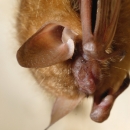
Gray bat | Myotis grisescens | Endangered | |
Northern long-eared bat | Myotis septenrionalis | Endangered | |
Indiana bat | Myotis sodalis | Endangered | |
Tricolored bat | Perimyotis subflavus | Proposed Endangered |
Birds
| Common Name | Scientific Name | ESA Status | Additional Species Information |
Eskimo curlew | Numenius borealis | Endangered | |
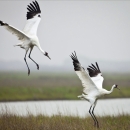
Whooping crane | Grus americana | Endangered with federally designated critical habitat | |
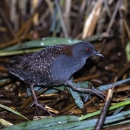
Eastern black rail | Laterallus jamaicensis ssp. jamaicensis | Threatened | |
Piping plover | Charadrius melodus | Threatened | |
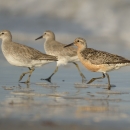
Rufa red knot | Calidris canutus rufa | Threatened |
Reptiles
| Common Name | Scientific Name | ESA Status | Additional Species Information |
Alligator snapping turtle | Macrochelys temminckii | Proposed Threatened |
Fishes
| Common Name | Scientific Name | ESA Status | Additional Species Information |
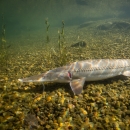
Pallid sturgeon | Scaphirhynchus albus | Endangered | |
Peppered chub | Macrohybopsis tetranema | Endangered | |
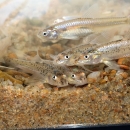
Topeka shiner | Notropis topeka | Endangered | |
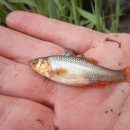
Arkansas River shiner | Notropis girardi | Threatened with federally designated critical habitat | |
Neosho madtom | Noturus placidus | Threatened | |
Ozark cavefish | Amblyopsis rosae | Threatened |
Clams
| Common Name | Scientific Name | ESA Status | Additional Species Information |
Neosho mucket | Lampsilis rafinesqueana | Endangered with federally designated critical habitat | |
Rabbitsfoot | Quadrula cylindrica cylindrica | Threatened with federally designated critical habitat | |
Western fanshell | Cyprogenia aberti | Threatened |
Insects
| Common Name | Scientific Name | ESA Status | Additional Species Information |
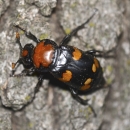
American burying beetle | Nicrophorus americanus | Threatened | |
Suckley's cuckoo bumble bee | Bombus suckleyi | Proposed Endangered | |
Western regal fritillary | Argynnis idalia occidentalis | Proposed Threatened | fws.gov/species & ECOS |
Monarch butterfly | Danaus plexippus | Proposed Threatened |
Plants
| Common Name | Scientific Name | ESA Status | Additional Species Information |
Mead's milkweed | Asclepias meadii | Threatened | |
Western prairie fringed orchid | Platanthera praeclara | Threatened |
Endangered Species Act National Listing Workplan and Petitioned Species
While not required by the ESA, the Kansas Ecological Services Field Office also encourages proactive inclusion of measures during project design and planning to protect and conserve species not federally listed, but may be species of concern, especially the species listed below, for one or more of the following reasons:
- They are currently, or have recently been, under review to determine whether they may warrant listing under the ESA.
- They were recently delisted and project planners may be unaware of what is needed to ensure the species continued recovery.
- They are protected under State laws, or are the target of State conservation actions, and warrant additional attention in project planning outside of federal statutory requirements.
- They are species that are considered likely to become candidate species or be proposed for listing in the near future.
- They are species for which the Service has entered into conservation agreements.
Effective proactive planning can help ensure long-term conservation of these species and assist in efforts to preclude the need to list under the ESA. Species status is dynamic and project planners can check for current information on the National Listing Workplan and the National Downlisting and Delisting Workplan.
Mammals
| Common Name | Scientific Name | ESA Status | Additional Species Information |
Little brown bat | Myotis lucifugus | Not currently listed under ESA, but on National Listing Workplan and under review | |
Prairie gray fox | Urocyon cinereoargenteus ocythous | Not currently listed under ESA, but on National Listing Workplan and under review | |
Plains spotted skunk | Spilogale interrupta | Not currently listed under ESA, but Petitioned for listing |
Birds
| Common Name | Scientific Name | ESA Status | Additional Species Information |
Golden-winged warbler | Vermivora chrysoptera | Not currently listed under ESA, but on National Listing Workplan and under review | |
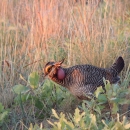
Lesser prairie-chicken | Tympanuchus pallidicinctus | To be determined | |
Wilson's phalarope | Phalaropes tricolor | Not currently listed under ESA, but Petitioned for listing |
Insects
| Common Name | Scientific Name | ESA Status | Additional Species Information |
American bumble bee | Bombus pensylvanicus | Not currently listed under ESA, but on National Listing Workplan and under review | |
Variable cuckoo bumble bee | Bombus variabilis | Not currently listed under ESA, but on National Listing Workplan and under review | |
Southern plains bumble bee | Bombus fraternus | Not currently listed under ESA, but on National Listing Workplan and under review | |
Iowa skipper | Atrytone arogos iowa | Not currently listed under ESA, but on National Listing Workplan and under review |
Eagles and Other Migratory Birds
The U.S. Fish and Wildlife Service's Migratory Bird Program is the Service's lead program for conserving bald and golden eagles and other migratory birds, serving to protect, restore, and manage over one thousand different species ensuring these treasures will be around for future generations to admire and enjoy. The Mountain-Prairie Region Migratory Bird Program staff contact information can be located here.
-------------------------------------------------------------------