Many things are going on at Mattamuskeet and Swanquarter National Wildlife Refuges this fall! Please see below for news and updates on a variety of refuge topics.
Coffee and Conservation: We Want To Hear From You!
On Wednesday morning, October 14, we will be at the Fairfield Gas Bar for an event called “Coffee and Conservation”. We have been holding these sessions in communities near our eastern North Carolina national wildlife refuges to connect with local residents and others who care about these public lands. Please stop by between 7:00 a.m. and 9:00 a.m. for an informal conversation with area refuge managers.
Staffing Update
We currently have two permanent, full-time U.S. Fish and Wildlife Service employees assigned to Mattamuskeet National Wildlife Refuge: a refuge manager and an equipment operator. This past year, we also received funding for a maintenance fellow and a biological technician, both for approximately two-year terms. In addition, a temporary hydrologist is based at Mattamuskeet and supports all the refuges in eastern North Carolina.
Together with our dedicated volunteers, these staff members have completed several projects in recent months and continue to address high-priority maintenance needs.
Infrastructure and Habitat Projects
East Main Road on Mattamuskeet NWR, located just north of the Mattamuskeet Lodge and providing access to Fisher’s Slough and the refuge hunting blinds, was rehabilitated during the spring and summer to address poor road conditions and flooding concerns. The road was resurfaced with gravel and should provide reliable access for a range of refuge activities for years to come.
The decking and railing on the Bell Island Fishing Pier at Swanquarter NWR was also replaced during the spring and early summer. The pier was extended to address flooding caused by tidal events and the adjacent parking area was modified to restore the natural marsh between the parking area and shoreline.
At Mattamuskeet NWR, a project near the Lake Landing parking area is currently underway and is expected to continue through spring 2027. Facilitated by Ducks Unlimited, the project includes converting three pumps to electric power and stabilizing the west bank of Lake Landing Canal, which also functions as a year-round accessible trail. The Farm Area Road was upgraded to improve its stability for vehicle traffic. The pump serving the Farm Area management units will also be replaced, improving water-management capabilities in those areas. This work will allow us to use the site as a wetland treatment area by pumping water from the lake onto the site, where nutrients and sediment can settle before the water flows into Pamlico Sound. The project will also improve wetland habitat for waterfowl, marsh birds, and other wildlife.
Refuge staff and contractors recently completed the annual treatment of Phragmites throughout Mattamuskeet NWR, with a focus on high-priority infestations in impoundments and along the Highway 94 Causeway. Controlling this invasive species invasive species
An invasive species is any plant or animal that has spread or been introduced into a new area where they are, or could, cause harm to the environment, economy, or human, animal, or plant health. Their unwelcome presence can destroy ecosystems and cost millions of dollars.
Learn more about invasive species is intended to improve habitat conditions and public access for fishing and wildlife viewing along the causeway.
Health of Lake Mattamuskeet
Lake Mattamuskeet continues to experience poor water quality, including high levels of suspended sediment and active blue-green algae blooms. We continue to work with the Lake Mattamuskeet Watershed Restoration Stakeholder Group to implement the watershed restoration plan.
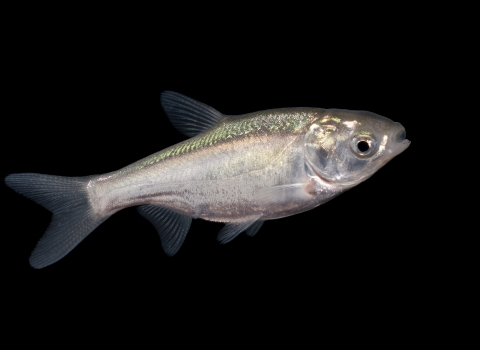
Several projects designed to redirect runoff away from the lake are currently underway and being facilitated by the NC Coastal Federation. A program to support similar efforts on private lands within the watershed is also expected to become available soon. An effort to remove carp was completed earlier this year, and a project summary and full technical report are available on our website.
Hunting Information
Hunting season is underway. This year, we transitioned our permit hunts to Recreation.gov. Interested individuals can use the site to obtain permits for the deer and goose hunts and submit lottery applications for the refuge waterfowl hunt. The waterfowl hunt lottery deadline is October 31st. Standby opportunities will continue to be available for the late-season waterfowl hunts.
Volunteering
If you are interested in volunteering to help maintain public-use areas or welcome visitors at the visitor center, we would be pleased to hear from you! For more information, contact mattamuskeet@fws.gov or call (252) 926-4021.
We hope this update provides useful information about recent activities at your national wildlife refuge national wildlife refuge
A national wildlife refuge is typically a contiguous area of land and water managed by the U.S. Fish and Wildlife Service for the conservation and, where appropriate, restoration of fish, wildlife and plant resources and their habitats for the benefit of present and future generations of Americans.
Learn more about national wildlife refuge . As always, please call or visit the refuge office with any questions or concerns. For additional news and updates, follow the Coastal North Carolina National Wildlife Refuge Complex on Facebook.