Written By

As winter descends across North America, outdoor lovers get creative in the pursuit of their passions. For birders there is no brighter opportunity than to participate in a local Christmas bird count. This long running, uniquely American citizen science project takes place each year at hundreds of locations throughout the country, including national wildlife refuges. At the U.S. Fish and Wildlife Service, we know finding ways to get outside in the winter can be challenging. Take a few minutes to read about some of this season’s Christmas bird count locations and how you can visit to learn more about the birds in your neighborhood
But wait, what is the Christmas bird count and what can I do if I missed it?
For more than 120 years, avid birders and casual backyard bird watchers have been joining friends and family to count birds at Christmas time. This data helps conservation managers understand what birds are present in their area and how to make better, fact-based decisions. Anyone can participate in National Audubon Society’s Christmas bird count between December 14 and January 5. Some take place in cities, and you can participate right from your backyard. Others are annual events on public lands, like national wildlife refuges, where the count has become an annual tradition for the community. Birding is an activity for established nature lovers and nature beginners. Birding apps make it easier than ever to identify birds by sight and sound, something families and people of all knowledge levels can use! The most recent data shows that 96 million people – that's three out of 10 Americans - engage in birding. That makes up 37% of the population aged 16 and older. Learn more about how you can get started birding at a refuge or your own backyard.
Here are a few cool refuges to visit that recently hosted Christmas bird counts:
Bear River Migratory Bird Refuge
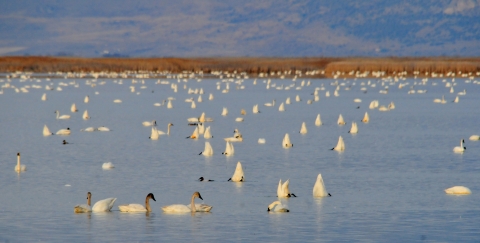
Just north of Salt Lake City, Utah, Bear River Migratory Bird Refuge is a beloved place for neighbors and birders alike to enjoy Utah’s natural heritage. The refuge protects the mouth of the Bear River and the wetlands, marsh and riverine habitat needed by hundreds of bird species. Located along the eastern edge of the Pacific Flyway and the western edge of the Central Flyway, the refuge is an important resting, feeding and nesting area for migratory and year-round resident birds in both flyways. The visitor center and year-round education programs provide folks the opportunity to learn about the birds in their neighborhood. The trails and viewing platforms are a great place to take a break from holiday celebrations!
Quivira National Wildlife Refuge
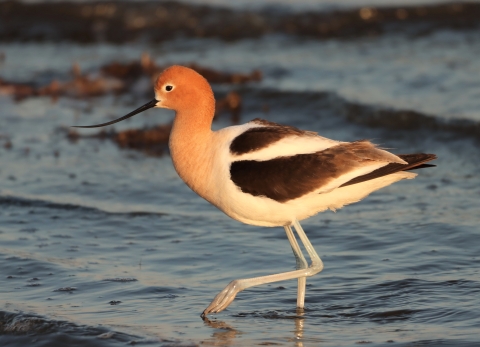
A favorite for birders from all parts of the country, Quivira National Wildlife Refuge in south-central Kansas is an internationally important migration stopover site for hundreds of species of migratory birds. Home to the largest inland salt marshes in America, the refuge was established in the 1930s to protect this vital habitat for the benefit of people and wildlife. The refuge is home to nesting species such as snowy plovers, American avocets, black-necked stilts, endangered interior least terns and blue-winged teal. Head out on your own or with family to try and spot some common winter birds like the eastern and western horned larks, northern bobwhites and even snow geese!
Long Lake National Wildlife Refuge
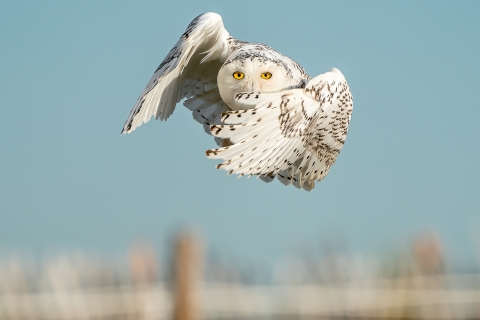
Two miles wide and 18 miles long, Long Lake near Moffit, North Dakota has been an important place for wildlife and people since time immemorial. The Long Lake National Wildlife Refuge was established almost 100 years ago to provide sanctuary and habitat for migratory birds that use the Central Flyway migration corridor. Water levels are highly variable, dependent on inflow from Long Lake Creek. The dynamic system provides a wide variety of habitats, from mud flats to deeper water. A Globally Important Bird Area and a Western Hemisphere Shorebird Reserve Network Site, it is a top birding destination. Birders may glance resident species like the horned lark or see winter migrants like the rough-legged hawk, snow bunting and occasional snowy owl.
Monte Vista National Wildlife Refuge
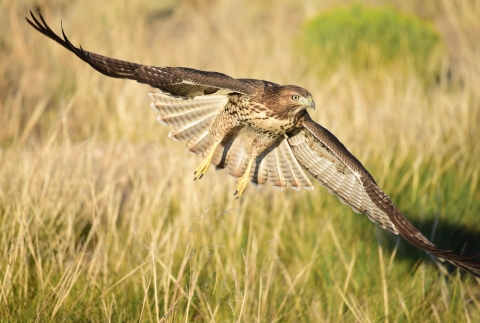
In south-central Colorado, the snow melt from the Sangre de Cristo Range and San Juan Mountains feeds a unique set of wetlands in the San Luis Valley at Monte Vista National Wildlife Refuge. Surrounded by high-mountain desert, the wetlands draw over 250 species to rest, nest and eat. In times of drought, these wetlands and those protected by two other refuges in the valley are often the only respite for the resident wildlife. Mallards, pintails, teals and Canada geese are common, as are American avocets, killdeers, white-faced ibises, egrets and herons. Migrants like sandhill cranes are an awesome spectacle throughout the fall but generally move out of the valley to their wintering grounds in central New Mexico with the onset of winter. During the winter, visitors are most likely to see resident waterfowl including mallards and Canada geese and birds of prey such as red-tailed hawks and eagles.
But what if I don’t live by one of these refuges?
There are more than 570 refuges across America, each protecting wildlife and their habitat for future generations. This handy map can help you find a refuge near you!
What else can I do at a national wildlife refuge national wildlife refuge
A national wildlife refuge is typically a contiguous area of land and water managed by the U.S. Fish and Wildlife Service for the conservation and, where appropriate, restoration of fish, wildlife and plant resources and their habitats for the benefit of present and future generations of Americans.
Learn more about national wildlife refuge this winter?
Lots of things! Bird counting isn’t the only way to enjoy America’s natural heritage and get outside during the cold, dark winter months! Depending on the refuge, you could hike, bike, ice fish, hunt or even ride your horse! Just check the refuge website before you visit to check which outdoor activities are allowed. Every national wildlife refuge was created for a special purpose. Some were created to protect migratory birds, others to protect threatened or endangered species or unique habitats, while others fulfill other important conservation purposes. Depending on the conservation purpose of the refuge, some activities might be allowed at one refuge that are not allowed on others. You can visit a national wildlife refuge near you for bird watching, hiking or another winter outdoor activity!